THE ADVENTURE COLLECTIVE® · Independent discovery and booking for outdoor travel

Explore Gunung Mulu’s vast cave systems, climb to the Pinnacles observatory and follow the historic Headhunter Trail to an Iban longhouse. This five-day trek pairs dramatic karst scenery with river travel and cultural stays.
Explore Gunung Mulu’s vast cave systems, climb to the Pinnacles observatory and follow the historic Headhunter Trail to an Iban longhouse. This five-day trek pairs dramatic karst scenery with river travel and cultural stays.
The boardwalk’s planks creak underfoot as humidity presses in and the cavern mouth yawns like a living doorway. At dusk, millions of bats pour from Deer Cave in a rolling, dark ribbon that forces you to look up and remember how vast rainforest systems can be.
Verified experiences and guided adventures in the surrounding area.
Operated by Brighton Travel & Tour Sdn Bhd · Mulu, Sarawak
The boardwalk’s planks creak underfoot as humidity presses in and the cavern mouth yawns like a living doorway. At dusk, millions of bats pour from Deer Cave in a rolling, dark ribbon that forces you to look up and remember how vast rainforest systems can be.
Gunung Mulu National Park sits on Borneo’s karst frontier—towering limestone pinnacles, cavern networks that rank among the world’s largest, and lowland dipterocarp forest carved by time and tectonics. The Headhunter Trail traces historical river routes used by Kayan raiding parties; today it threads together Penan settlements, longhouses and jungle camps, giving a direct cultural link to the people who have shaped this landscape.
Geology here is dramatic: sunk limestone plateaus erode into caves like Deer, Lang’s and Wind Cave, while Gunung Api’s pinnacles are the erosion-resistant tips left behind. Wildlife is abundant—clouded leopard habitat exists nearby and the river corridors are rich with primates and hornbills.
Practical details: the trip is a five-day mixed itinerary of longboat travel, plankwalks and multi-hour jungle treks, including a steep 3‑hour ascent to the Pinnacles observatory. Expect wet conditions year-round; pack a breathable rain jacket, sturdy trekking boots, insect repellent and a reliable headlamp. Physical fitness is important—participants should be comfortable with repeated climbs, river travel, and basic riverboat stability.
Timing matters: arrive with buffer time at Miri or Mulu Airport, respect longhouse protocols (ask before photographing), and allow for weather-related delays. This is an immersive, remote rainforest expedition—rewarding views, cave systems and cultural exchange for those prepared to sweat for them.
challenging.
5 days.
Good aerobic fitness with experience on multi‑hour hikes and river travel; comfortable with steep, sustained climbs.
Mulu is remote—access is by flight from Miri or long overland journeys; plan buffer time for flights and weather delays.
Park entrance fees and local guides are required for many cave areas and trekking routes; organized trips include these logistics.
A high level of fitness is recommended due to long days of trekking, river travel and the steep ascent to the Pinnacles.
Yes—there are designated swimming areas at Clearwater spring but always follow guide instructions regarding currents and depth.
The Headhunter Trail follows routes historically used by Kayan parties and riverine trade; longhouses along the rivers preserve Iban and Penan cultural traditions.
Gunung Mulu is a UNESCO World Heritage site; stay on boardwalks, carry out all waste, and follow guide rules to protect fragile karst and cave ecosystems.
Brighton Travel & Tour Sdn Bhd operates guided outdoor trips and adventures with an emphasis on safety, stewardship, and memorable experiences.
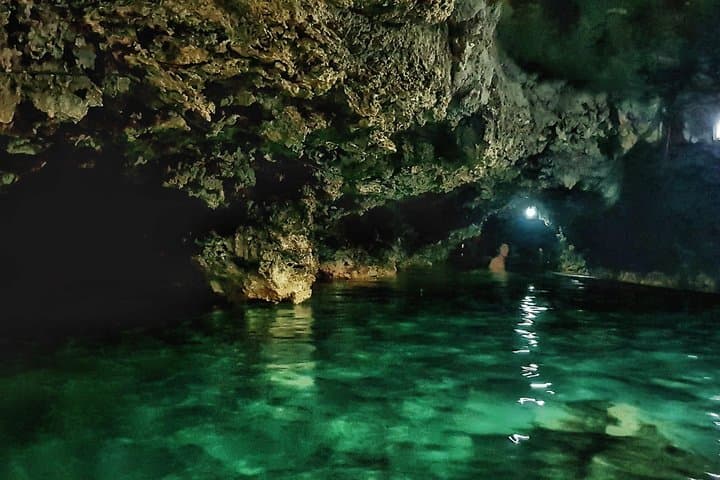


The boardwalk’s planks creak underfoot as humidity presses in and the cavern mouth yawns like a living doorway. At dusk, millions of bats pour from Deer Cave in a rolling, dark ribbon that forces you to look up and remember how vast rainforest systems can be.
The boardwalk’s planks creak underfoot as humidity presses in and the cavern mouth yawns like a living doorway. At dusk, millions of bats pour from Deer Cave in a rolling, dark ribbon that forces you to look up and remember how vast rainforest systems can be.
Gunung Mulu National Park sits on Borneo’s karst frontier—towering limestone pinnacles, cavern networks that rank among the world’s largest, and lowland dipterocarp forest carved by time and tectonics. The Headhunter Trail traces historical river routes used by Kayan raiding parties; today it threads together Penan settlements, longhouses and jungle camps, giving a direct cultural link to the people who have shaped this landscape.
Geology here is dramatic: sunk limestone plateaus erode into caves like Deer, Lang’s and Wind Cave, while Gunung Api’s pinnacles are the erosion-resistant tips left behind. Wildlife is abundant—clouded leopard habitat exists nearby and the river corridors are rich with primates and hornbills.
Practical details: the trip is a five-day mixed itinerary of longboat travel, plankwalks and multi-hour jungle treks, including a steep 3‑hour ascent to the Pinnacles observatory. Expect wet conditions year-round; pack a breathable rain jacket, sturdy trekking boots, insect repellent and a reliable headlamp. Physical fitness is important—participants should be comfortable with repeated climbs, river travel, and basic riverboat stability.
Timing matters: arrive with buffer time at Miri or Mulu Airport, respect longhouse protocols (ask before photographing), and allow for weather-related delays. This is an immersive, remote rainforest expedition—rewarding views, cave systems and cultural exchange for those prepared to sweat for them.