THE ADVENTURE COLLECTIVE® · Independent discovery and booking for outdoor travel

Spend a full day on the limestone walls of Calanques National Park, climbing multi-pitch routes with sea views and a certified guide. Expect exposed faces, approach hikes over garrigue, and supplied climbing gear.
Spend a full day on the limestone walls of Calanques National Park, climbing multi-pitch routes with sea views and a certified guide. Expect exposed faces, approach hikes over garrigue, and supplied climbing gear.
The day opens on sun-baked limestone and a wind that cuts salt into the air — a narrow track drops you from the road into a world of vertical white walls that fall to the Mediterranean. Climbers clip in, hear the sea below, and begin a sequence of moves that alternate exposed faces, pockets, and crisp footholds. The route trends upward in pitches, each belay offering wider views: coves, fishing boats, and the ragged coastline of the Calanques.
Verified experiences and guided adventures in the surrounding area.
Operated by Guillaume Mottet · La Ciotat, Provence-Alpes-Côte d'Azur
The day opens on sun-baked limestone and a wind that cuts salt into the air — a narrow track drops you from the road into a world of vertical white walls that fall to the Mediterranean. Climbers clip in, hear the sea below, and begin a sequence of moves that alternate exposed faces, pockets, and crisp footholds. The route trends upward in pitches, each belay offering wider views: coves, fishing boats, and the ragged coastline of the Calanques.
Calanques National Park (est. 2012) preserves a dramatic karst landscape carved by tectonics and marine erosion; cliffs here are steep, brittle limestone formed in shallow seas millions of years ago. The region blends Marseille’s maritime culture with the old fishing villages of La Ciotat and Cassis — remnants of a working coastline where stonecutting and small-scale fishing once dominated.
Practically, expect approach walks over garrigue scrub, loose scree, and short steep ascents: 20–45 minute approaches, climbs from single 40m pitches to multi-pitch routes totaling 100–200m. A certified guide supplies ropes, harnesses, and helmets, adjusts routes to ability, and will limit multi-pitch to small groups (often two clients on longer pitches).
Plan for sun, sudden Mistral wind, and limited shade. Hydrate heavily, wear sticky climbing shoes and a light wind layer, and allow a full day (around seven hours) for approach, climbing, and return. For experienced beginners to seasoned climbers, the Calanques deliver exposed, sunlit climbing with Mediterranean views — technical, scenic, and grounded in a landscape that demands respect.
challenging.
7 hours.
Moderate to strong cardiovascular fitness and comfort on exposed terrain; ability to scramble and handle sustained climbing effort.
No prior multi-pitch experience is required for many routes; guides tailor climbs to ability, but comfort on single-pitch climbs and scrambling helps.
Guides typically provide harnesses, helmets, ropes, and other technical gear — bring your own shoes if you prefer a personal fit.
Tours are often private or very small; multi-pitch climbs are commonly limited to two participants simultaneously for safety and rope management.
Operators may cancel if conditions are unsafe (strong Mistral, lightning, heavy rain); cancellation policies usually allow full refunds if called off before 24 hours.
The Calanques have long been seasonal fishing and shepherding territory; limestone quarrying and maritime trade shaped small coastal villages like La Ciotat and Cassis.
Calanques National Park limits access in sensitive zones to protect endemic plants and nesting seabirds — stick to trails, pack out waste, and follow guide instructions.
Guillaume Mottet operates guided outdoor trips and adventures with an emphasis on safety, stewardship, and memorable experiences.
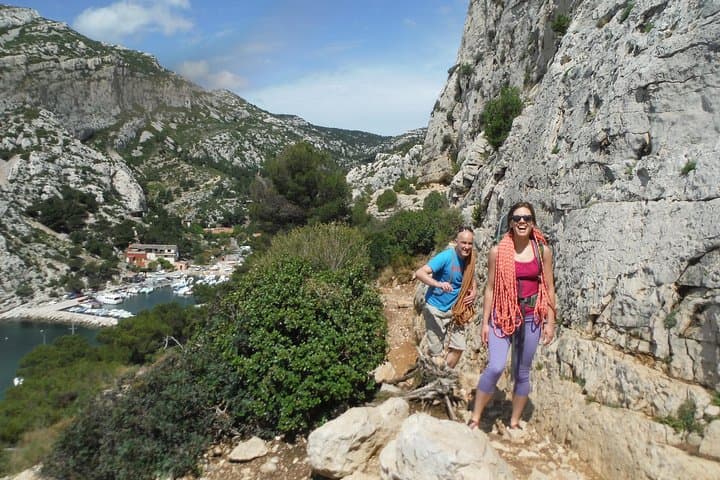
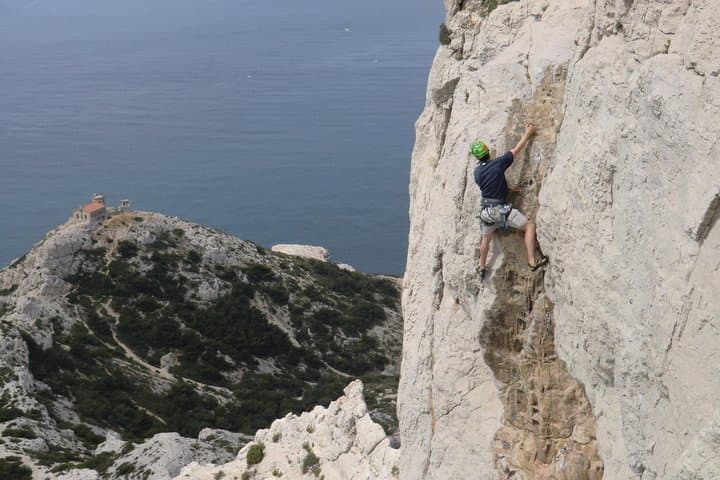


The day opens on sun-baked limestone and a wind that cuts salt into the air — a narrow track drops you from the road into a world of vertical white walls that fall to the Mediterranean. Climbers clip in, hear the sea below, and begin a sequence of moves that alternate exposed faces, pockets, and crisp footholds. The route trends upward in pitches, each belay offering wider views: coves, fishing boats, and the ragged coastline of the Calanques.
The day opens on sun-baked limestone and a wind that cuts salt into the air — a narrow track drops you from the road into a world of vertical white walls that fall to the Mediterranean. Climbers clip in, hear the sea below, and begin a sequence of moves that alternate exposed faces, pockets, and crisp footholds. The route trends upward in pitches, each belay offering wider views: coves, fishing boats, and the ragged coastline of the Calanques.
Calanques National Park (est. 2012) preserves a dramatic karst landscape carved by tectonics and marine erosion; cliffs here are steep, brittle limestone formed in shallow seas millions of years ago. The region blends Marseille’s maritime culture with the old fishing villages of La Ciotat and Cassis — remnants of a working coastline where stonecutting and small-scale fishing once dominated.
Practically, expect approach walks over garrigue scrub, loose scree, and short steep ascents: 20–45 minute approaches, climbs from single 40m pitches to multi-pitch routes totaling 100–200m. A certified guide supplies ropes, harnesses, and helmets, adjusts routes to ability, and will limit multi-pitch to small groups (often two clients on longer pitches).
Plan for sun, sudden Mistral wind, and limited shade. Hydrate heavily, wear sticky climbing shoes and a light wind layer, and allow a full day (around seven hours) for approach, climbing, and return. For experienced beginners to seasoned climbers, the Calanques deliver exposed, sunlit climbing with Mediterranean views — technical, scenic, and grounded in a landscape that demands respect.