THE ADVENTURE COLLECTIVE® · Independent discovery and booking for outdoor travel

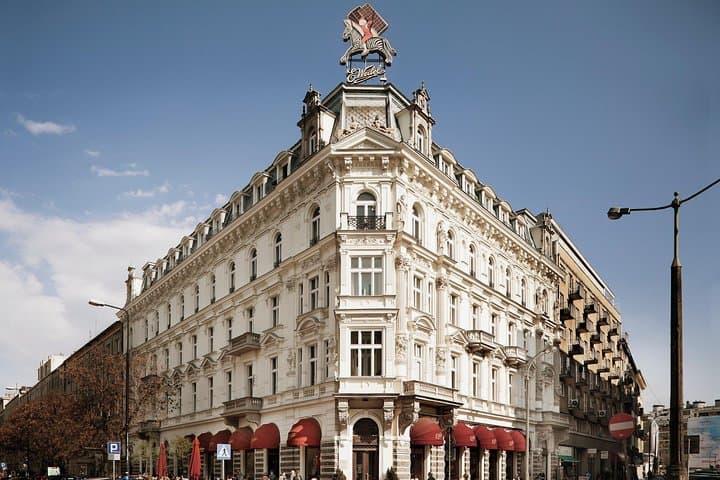
Walk through Warsaw’s Old Town with a local guide to uncover the city’s multi-ethnic past — from German-born families to Saxon-era builders. This private, two-hour tour pairs architectural highlights with social history and local stops like Emil Wedel coffee house.
Walk through Warsaw’s Old Town with a local guide to uncover the city’s multi-ethnic past — from German-born families to Saxon-era builders. This private, two-hour tour pairs architectural highlights with social history and local stops like Emil Wedel coffee house.
Cobblestones click beneath a small group moving through narrow lanes; the Vistula glints a block away as if urging you to look back at the city that made itself anew.
Verified experiences and guided adventures in the surrounding area.
Operated by PolinTours · Warsaw, Masovian Voivodeship
Cobblestones click beneath a small group moving through narrow lanes; the Vistula glints a block away as if urging you to look back at the city that made itself anew.
This two-hour guided walk focuses on Warsaw’s multi-ethnic chapters — German-born families, Saxon-period urban projects, and the entrepreneurs, artists and publishers who reshaped commerce and culture. You’ll pass representative buildings, churches and gardens that record waves of migration and reconstruction, and stop at the Evangelical Augsburg Church and the Emil Wedel coffee house, a 150-year-old marker of urban tastes.
Geologically, Old Town sits on the Vistula’s broad alluvial plain; its layered soils made transport and trade possible, helping shape Warsaw’s growth as a regional hub. Culturally, the area reflects pragmatic rebuilding after wartime destruction, with streets bearing names of once-prominent industrialists and academics.
Practical guidance: this is a private, licensed walking tour suitable for all fitness levels. Expect roughly 2 hours of mostly flat walking on cobblestones and paved streets; light rain is common in shoulder seasons so a compact rain jacket helps. Public transit is close to meeting points, and the tour allows stroller access, but cobbles can jostle wheels. Bring water, comfortable shoes, and a camera for façades and small courtyards that reward a slow eye.
Timing tip: early morning or late afternoon avoids larger crowds and softens light for photos. The guide’s local stories connect names on plaques to real people and businesses — a practical, human-centered way to read Warsaw’s cityscape.
easy.
2 hours.
Suitable for most fitness levels; requires walking on cobblestones and short stair sections.
The tour is two hours at an easy pace with several short stops for stories and photo opportunities.
Yes — the route accommodates strollers, though cobblestones may make wheeled travel bumpy in spots.
This walking tour focuses on exteriors and public sites; admission to paid sites is not included unless specified by the operator.
Check booking details for language availability; many private tours offer English and other common European languages upon request.
Old Town records waves of migration and post-war reconstruction; many streets are named after entrepreneurs and intellectuals who shaped Warsaw’s 18th–19th century resurgence.
Conservation efforts prioritize preserving reconstructed facades and limiting wear on fragile medieval streets; visitors are asked to respect signage and private courtyards.
PolinTours operates guided outdoor trips and adventures with an emphasis on safety, stewardship, and memorable experiences.
Cobblestones click beneath a small group moving through narrow lanes; the Vistula glints a block away as if urging you to look back at the city that made itself anew.
Cobblestones click beneath a small group moving through narrow lanes; the Vistula glints a block away as if urging you to look back at the city that made itself anew.
This two-hour guided walk focuses on Warsaw’s multi-ethnic chapters — German-born families, Saxon-period urban projects, and the entrepreneurs, artists and publishers who reshaped commerce and culture. You’ll pass representative buildings, churches and gardens that record waves of migration and reconstruction, and stop at the Evangelical Augsburg Church and the Emil Wedel coffee house, a 150-year-old marker of urban tastes.
Geologically, Old Town sits on the Vistula’s broad alluvial plain; its layered soils made transport and trade possible, helping shape Warsaw’s growth as a regional hub. Culturally, the area reflects pragmatic rebuilding after wartime destruction, with streets bearing names of once-prominent industrialists and academics.
Practical guidance: this is a private, licensed walking tour suitable for all fitness levels. Expect roughly 2 hours of mostly flat walking on cobblestones and paved streets; light rain is common in shoulder seasons so a compact rain jacket helps. Public transit is close to meeting points, and the tour allows stroller access, but cobbles can jostle wheels. Bring water, comfortable shoes, and a camera for façades and small courtyards that reward a slow eye.
Timing tip: early morning or late afternoon avoids larger crowds and softens light for photos. The guide’s local stories connect names on plaques to real people and businesses — a practical, human-centered way to read Warsaw’s cityscape.