THE ADVENTURE COLLECTIVE® · Independent discovery and booking for outdoor travel

A remote, multi-day expedition across Mongolia’s steppes and taiga culminating with a four-day horse trek to meet the Tsaatan reindeer-herding community at Lake Khovsgol — a trip of volcanic rims, hot springs and deep forest life.
A remote, multi-day expedition across Mongolia’s steppes and taiga culminating with a four-day horse trek to meet the Tsaatan reindeer-herding community at Lake Khovsgol — a trip of volcanic rims, hot springs and deep forest life.
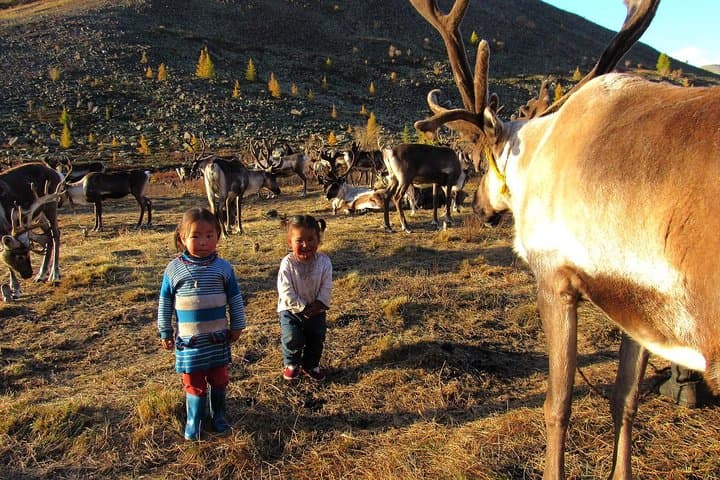
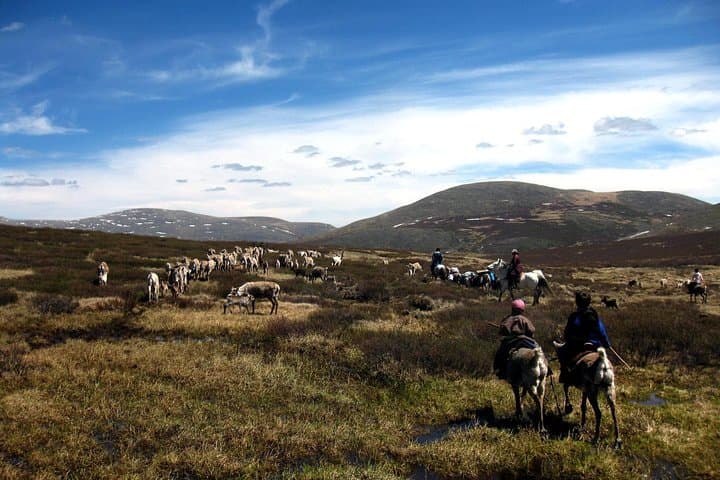
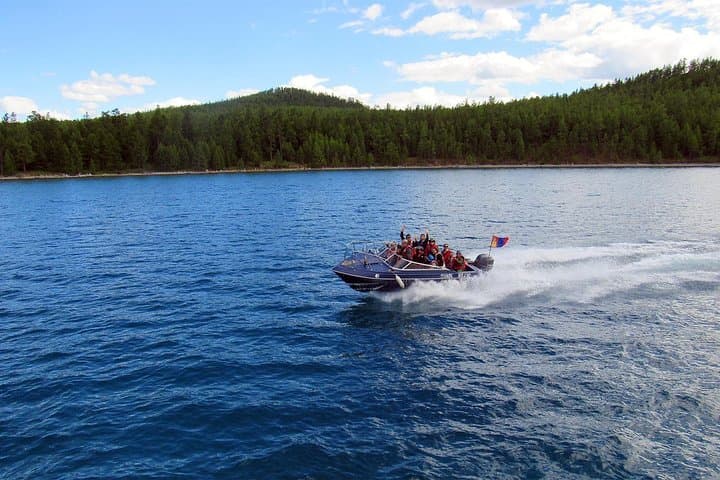
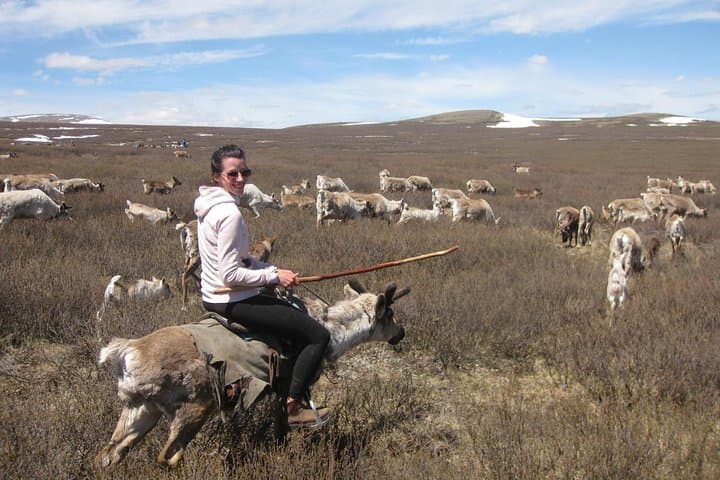
You arrive where the taiga tightens and the dirt road becomes a suggestion — wind carries pine resin and the clipped cry of a herder’s dog. For days you move through changing country: steppe broken by volcanic basalt, a high lake whose water holds the color of cold steel, and finally the larch forests where the Tsaatan keep their reindeer. The journey has a slow rhythm: long drives between national parks, a couple of volcanic rim hikes, hot springs that steam in the dawn, and a four-day horse trek that opens onto the Tsaatan camps.
Verified experiences and guided adventures in the surrounding area.
Operated by Traveling to Mongolia · Khatgal, Khovsgol Aimag
You arrive where the taiga tightens and the dirt road becomes a suggestion — wind carries pine resin and the clipped cry of a herder’s dog. For days you move through changing country: steppe broken by volcanic basalt, a high lake whose water holds the color of cold steel, and finally the larch forests where the Tsaatan keep their reindeer. The journey has a slow rhythm: long drives between national parks, a couple of volcanic rim hikes, hot springs that steam in the dawn, and a four-day horse trek that opens onto the Tsaatan camps.
This route threads history and geology. Khorgo’s basalt ring marks recent volcanism; Terkhiin Tsagaan Nuur was shaped by lava-dammed basins. The Tsaatan — one of Mongolia’s last reindeer-breeding peoples — maintain seasonal huts and a lifestyle shaped by migration, shamanic practice, and careful herd management.
Expect varied terrain: grassy semi-Gobi plains, gravel tracks, river fords and dense Siberian larch taiga. Nights drop quickly above 1,600 m around Lake Khovsgol; storms can come with little warning. Practical tradecraft: travel light but prepare for cold nights, bring reliable footwear and a daypack for hikes. Water purification is useful where springs aren’t guaranteed. Plan flexible timing — weather or river levels can alter horse routes. Respect local customs: ask before photographing families or sacred places, and buy local crafts if offered. The trip rewards patience: close encounters with reindeer herders, wide northern skies, and the steady, deliberate pace of a region that resists hurry.
challenging.
Approximately 15 days (includes 4 days of horse trekking).
High level of fitness required — endurance for long rides, multi-day hikes, and irregular sleeping conditions
The Tsaatan camps are accessible only after long drives and multi-day horse travel; expect several hours on unpaved roads followed by a 3–4 day mounted approach depending on weather.
Accommodation is a mix of tent camping and simple family huts when visiting households; the operator lists camping gear and some lodge nights in the itinerary.
Basic horseback riding skills are recommended; guides can assist beginners but long days in the saddle require some familiarity for safety and comfort.
Not recommended for very young children or those with spinal or serious mobility limitations due to sustained riding and rugged terrain.
The Tsaatan (Dukha) people have practiced reindeer herding for centuries across northern Mongolia; their lifestyle reflects shamanic traditions and seasonal migration tied to herd survival.
The taiga and Khovsgol watershed are sensitive to overuse and climate shifts; low-impact travel, proper waste management, and supporting local guides help protect these landscapes.
Traveling to Mongolia operates guided outdoor trips and adventures with an emphasis on safety, stewardship, and memorable experiences.
You arrive where the taiga tightens and the dirt road becomes a suggestion — wind carries pine resin and the clipped cry of a herder’s dog. For days you move through changing country: steppe broken by volcanic basalt, a high lake whose water holds the color of cold steel, and finally the larch forests where the Tsaatan keep their reindeer. The journey has a slow rhythm: long drives between national parks, a couple of volcanic rim hikes, hot springs that steam in the dawn, and a four-day horse trek that opens onto the Tsaatan camps.
You arrive where the taiga tightens and the dirt road becomes a suggestion — wind carries pine resin and the clipped cry of a herder’s dog. For days you move through changing country: steppe broken by volcanic basalt, a high lake whose water holds the color of cold steel, and finally the larch forests where the Tsaatan keep their reindeer. The journey has a slow rhythm: long drives between national parks, a couple of volcanic rim hikes, hot springs that steam in the dawn, and a four-day horse trek that opens onto the Tsaatan camps.
This route threads history and geology. Khorgo’s basalt ring marks recent volcanism; Terkhiin Tsagaan Nuur was shaped by lava-dammed basins. The Tsaatan — one of Mongolia’s last reindeer-breeding peoples — maintain seasonal huts and a lifestyle shaped by migration, shamanic practice, and careful herd management.
Expect varied terrain: grassy semi-Gobi plains, gravel tracks, river fords and dense Siberian larch taiga. Nights drop quickly above 1,600 m around Lake Khovsgol; storms can come with little warning. Practical tradecraft: travel light but prepare for cold nights, bring reliable footwear and a daypack for hikes. Water purification is useful where springs aren’t guaranteed. Plan flexible timing — weather or river levels can alter horse routes. Respect local customs: ask before photographing families or sacred places, and buy local crafts if offered. The trip rewards patience: close encounters with reindeer herders, wide northern skies, and the steady, deliberate pace of a region that resists hurry.