THE ADVENTURE COLLECTIVE® · Independent discovery and booking for outdoor travel

Ride Lake Kivu’s shoreline and the shaded corridors of Gishwati on this multi-day cycling tour that mixes steep climbs, village stops and conservation-minded guiding. Expect varied terrain, close cultural encounters and short, punchy climbs.
Ride Lake Kivu’s shoreline and the shaded corridors of Gishwati on this multi-day cycling tour that mixes steep climbs, village stops and conservation-minded guiding. Expect varied terrain, close cultural encounters and short, punchy climbs.
Mornings on the Congo Nile Trail start with the taut smell of lake air and the quiet clack of gears as riders push off along rutted tracks. The trail skirts Lake Kivu’s shoreline, climbs verdant ridgelines and threads into villages where children wave from banana groves. On day two, pedaling into Gishwati’s remnant forest, the path narrows under a canopy that seems to lean toward the rider, the river daring you to follow its course downstream.
Verified experiences and guided adventures in the surrounding area.
Operated by Ikaze Bike Travel · Kigali, Kigali Province
Mornings on the Congo Nile Trail start with the taut smell of lake air and the quiet clack of gears as riders push off along rutted tracks. The trail skirts Lake Kivu’s shoreline, climbs verdant ridgelines and threads into villages where children wave from banana groves. On day two, pedaling into Gishwati’s remnant forest, the path narrows under a canopy that seems to lean toward the rider, the river daring you to follow its course downstream.
The routes follow routes used for generations—paths carved between lakeside communities and subsistence farms. Geologically, the western rift escarpments and volcanic soils create steep, punchy climbs and lush valleys. Culturally the ride is as much about encounters as terrain: coffee cooperatives, small markets and guide-led visits that demystify local farming and conservation work.
Expect mixed surfaces: compacted dirt, stony singletrack and occasional paved stretches. Elevation varies rapidly—short, steep gains are common—and vistas open suddenly over Lake Kivu. Guides typically include bike rental, water, snacks and approachable pacing for riders with moderate fitness.
Practical edge: bring a well-fitting helmet, a puncture kit and a hydration system; ride early to avoid the mid-afternoon heat or rains; and be ready to dismount on technical short climbs. Respect village life—ask before photographing people—and carry small Rwandan francs for market purchases. This multi-day circuit rewards stamina with wide views, close wildlife encounters and the human stories that make Rwanda’s trails more than a ride—they’re a moving conversation with the landscape.
moderate.
2 days (approx.).
Moderate cardiovascular fitness with the ability to handle repeated short climbs and full-day saddle time.
Riders should have moderate fitness—able to ride 3–5 hours a day with repeated short climbs; guides can tailor pacing for mixed groups.
Yes; the tour includes bike rental and helmets, though bringing personal gear can improve comfort and fit.
Expect a mix of compacted dirt, gravel, occasional paved roads and short technical singletrack—tough tires recommended.
Guides provide bottled water and snacks; plan to carry extra water and cash for village meals or market purchases.
The Congo Nile Trail links lakeside communities long connected by trade routes; Gishwati was historically dense forest and is now the focus of reforestation and community restoration efforts.
Tours often work with local guides and community projects; stick to marked trails, pack out waste and support local businesses to minimize impact.
Ikaze Bike Travel operates guided outdoor trips and adventures with an emphasis on safety, stewardship, and memorable experiences.
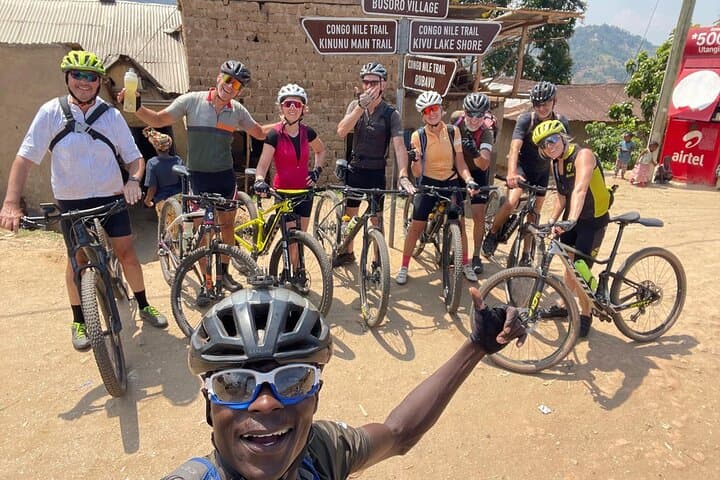
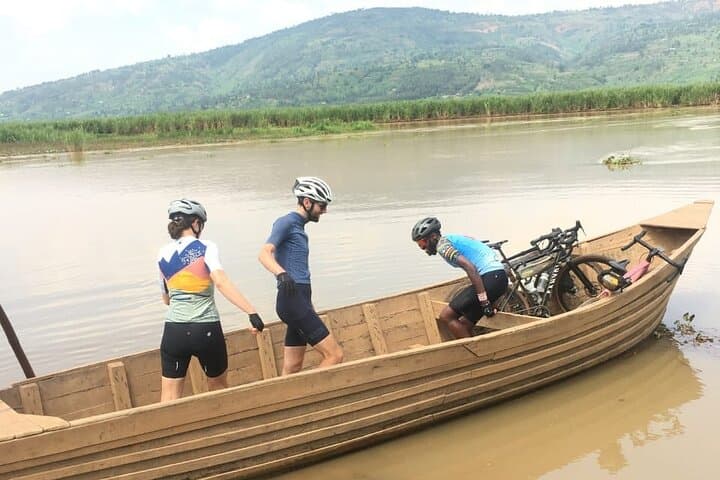
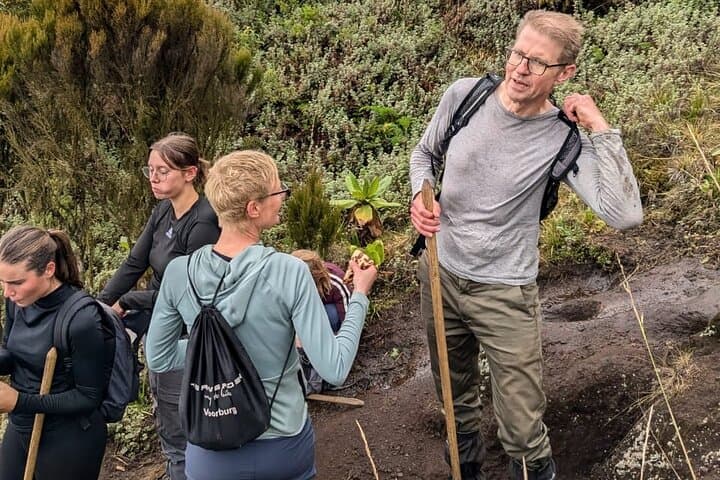
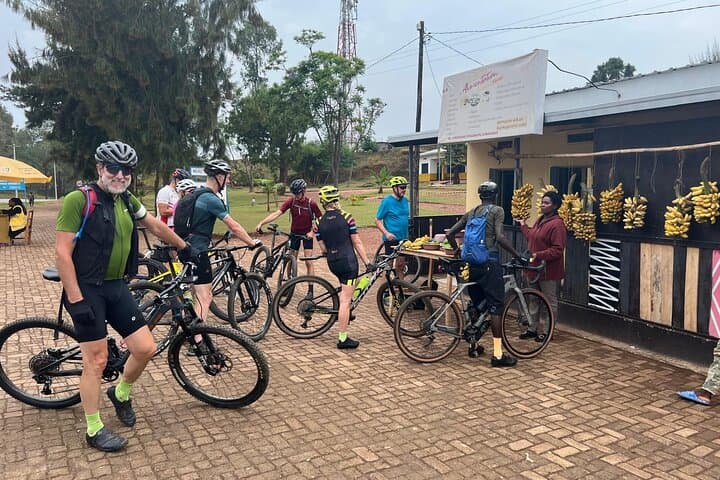
Mornings on the Congo Nile Trail start with the taut smell of lake air and the quiet clack of gears as riders push off along rutted tracks. The trail skirts Lake Kivu’s shoreline, climbs verdant ridgelines and threads into villages where children wave from banana groves. On day two, pedaling into Gishwati’s remnant forest, the path narrows under a canopy that seems to lean toward the rider, the river daring you to follow its course downstream.
Mornings on the Congo Nile Trail start with the taut smell of lake air and the quiet clack of gears as riders push off along rutted tracks. The trail skirts Lake Kivu’s shoreline, climbs verdant ridgelines and threads into villages where children wave from banana groves. On day two, pedaling into Gishwati’s remnant forest, the path narrows under a canopy that seems to lean toward the rider, the river daring you to follow its course downstream.
The routes follow routes used for generations—paths carved between lakeside communities and subsistence farms. Geologically, the western rift escarpments and volcanic soils create steep, punchy climbs and lush valleys. Culturally the ride is as much about encounters as terrain: coffee cooperatives, small markets and guide-led visits that demystify local farming and conservation work.
Expect mixed surfaces: compacted dirt, stony singletrack and occasional paved stretches. Elevation varies rapidly—short, steep gains are common—and vistas open suddenly over Lake Kivu. Guides typically include bike rental, water, snacks and approachable pacing for riders with moderate fitness.
Practical edge: bring a well-fitting helmet, a puncture kit and a hydration system; ride early to avoid the mid-afternoon heat or rains; and be ready to dismount on technical short climbs. Respect village life—ask before photographing people—and carry small Rwandan francs for market purchases. This multi-day circuit rewards stamina with wide views, close wildlife encounters and the human stories that make Rwanda’s trails more than a ride—they’re a moving conversation with the landscape.