THE ADVENTURE COLLECTIVE® · Independent discovery and booking for outdoor travel

Short, interpretive walk up Mullaghmore in the Burren with a local guide. Expect limestone pavements, archaeological sites, and a post-walk farm visit with animals.
Short, interpretive walk up Mullaghmore in the Burren with a local guide. Expect limestone pavements, archaeological sites, and a post-walk farm visit with animals.
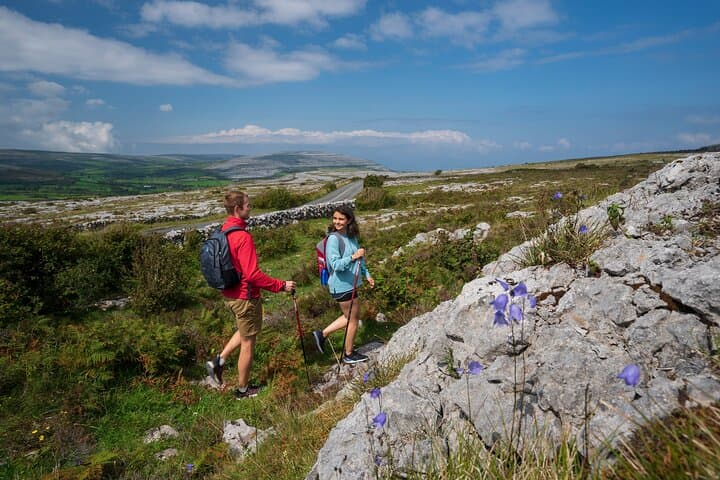
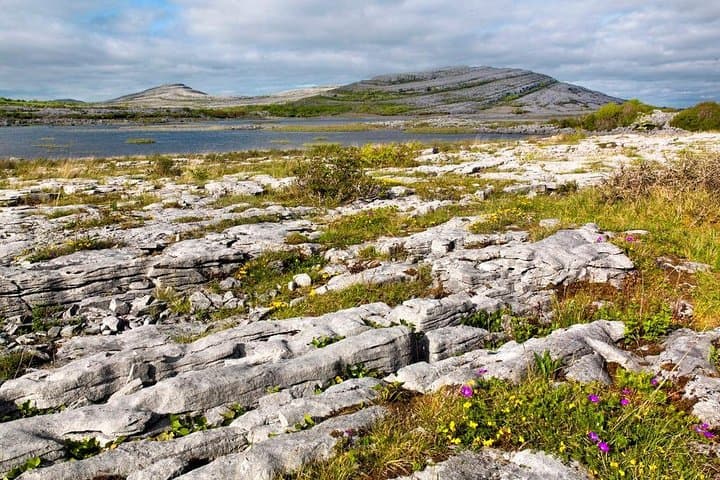
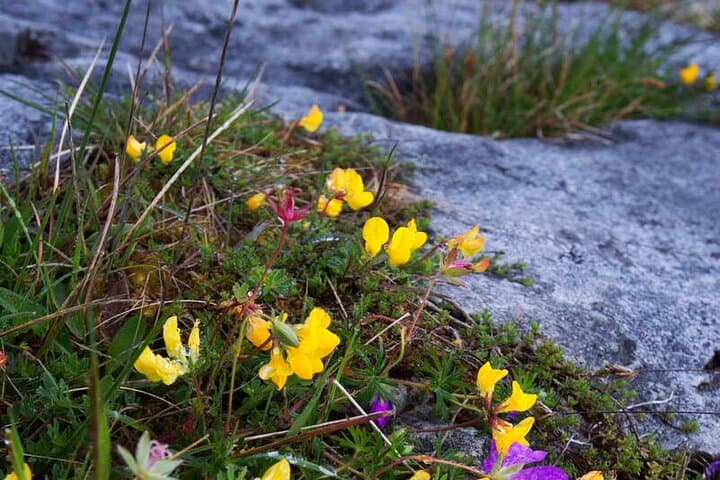
A stone-strewn lane opens to grey karst pavement and the slope of Mullaghmore rising ahead, limestone catching the light as wind pushes through short grass and gorse. Your guide sets the pace, pointing out tiny orchids in crevices and the scatter of ancient field walls that mark centuries of human hands on this landscape.
Verified experiences and guided adventures in the surrounding area.
Operated by Ireland Wild Escapes · Kilnaboy, County Clare
A stone-strewn lane opens to grey karst pavement and the slope of Mullaghmore rising ahead, limestone catching the light as wind pushes through short grass and gorse. Your guide sets the pace, pointing out tiny orchids in crevices and the scatter of ancient field walls that mark centuries of human hands on this landscape.
The Burren is geologically young in appearance but ancient in origin: exposed Carboniferous limestone plates sculpted by glaciation and weathered into clints and grikes. Archaeology is visible here—ring forts and burial sites nearby speak to Bronze Age and medieval settlement patterns shaped around scarce soil pockets. Culturally, this is pastoral Ireland: dry-stone walls, sheep grazed by family farms, and a warm, informal invitation to meet animals back at the farm—including a small Shetland pony often introduced with a wink.
Practical guidance: the loop to Mullaghmore is short (roughly 2 hours round-trip) with modest elevation to about 180 m (590 ft). Terrain alternates between sheep tracks and exposed limestone; footwear with tread and ankle support helps on broken rock. Weather shifts quickly—bring a waterproof shell and layers; in bright sun, use hat and sunscreen for the reflective limestone.
Expect low technical demands but variable footing and possible wind on the summit. The private guide adds local botany and archaeology context and finishes the visit with a stop at a family farm, offering a grounded, personal end to the walk. Perfect for travelers wanting a compact, interpretive experience of the Burren's unusual landscape.
easy.
2 hours.
Suitable for most fitness levels; short climbs and uneven ground require basic balance and mobility
The guided walk is about 2 hours with modest elevation to approximately 180 m; footing can be uneven but the route is suitable for most people.
Wear grippy shoes, layered clothing, and a waterproof shell; bring sun protection on clear days.
Yes—the private tour includes a short visit to a family farm where you can see animals including a Shetland pony; interaction depends on farm rules.
This experience is sold as all sales final; bookings cancelled within seven days may be charged 100% according to the operator’s terms, and events can be cancelled if weather is unsafe.
Mullaghmore sits in the Burren, an area with Bronze Age burial sites and medieval field systems; stone walls across the slopes mark long-lived pastoral farming.
The Burren’s fragile limestone pavement supports rare plants and botanists urge staying on paths to protect soil pockets; support local farms and follow leave-no-trace practices.
Ireland Wild Escapes operates guided outdoor trips and adventures with an emphasis on safety, stewardship, and memorable experiences.
A stone-strewn lane opens to grey karst pavement and the slope of Mullaghmore rising ahead, limestone catching the light as wind pushes through short grass and gorse. Your guide sets the pace, pointing out tiny orchids in crevices and the scatter of ancient field walls that mark centuries of human hands on this landscape.
A stone-strewn lane opens to grey karst pavement and the slope of Mullaghmore rising ahead, limestone catching the light as wind pushes through short grass and gorse. Your guide sets the pace, pointing out tiny orchids in crevices and the scatter of ancient field walls that mark centuries of human hands on this landscape.
The Burren is geologically young in appearance but ancient in origin: exposed Carboniferous limestone plates sculpted by glaciation and weathered into clints and grikes. Archaeology is visible here—ring forts and burial sites nearby speak to Bronze Age and medieval settlement patterns shaped around scarce soil pockets. Culturally, this is pastoral Ireland: dry-stone walls, sheep grazed by family farms, and a warm, informal invitation to meet animals back at the farm—including a small Shetland pony often introduced with a wink.
Practical guidance: the loop to Mullaghmore is short (roughly 2 hours round-trip) with modest elevation to about 180 m (590 ft). Terrain alternates between sheep tracks and exposed limestone; footwear with tread and ankle support helps on broken rock. Weather shifts quickly—bring a waterproof shell and layers; in bright sun, use hat and sunscreen for the reflective limestone.
Expect low technical demands but variable footing and possible wind on the summit. The private guide adds local botany and archaeology context and finishes the visit with a stop at a family farm, offering a grounded, personal end to the walk. Perfect for travelers wanting a compact, interpretive experience of the Burren's unusual landscape.