THE ADVENTURE COLLECTIVE® · Independent discovery and booking for outdoor travel

A compact four-day private trek from Pokhara takes you over stone steps and through rhododendron forests to Poon Hill and the higher Mulde View Point (≈3,637 m). Expect dramatic Annapurna panoramas, traditional Gurung villages and simple teahouse nights.
A compact four-day private trek from Pokhara takes you over stone steps and through rhododendron forests to Poon Hill and the higher Mulde View Point (≈3,637 m). Expect dramatic Annapurna panoramas, traditional Gurung villages and simple teahouse nights.
Morning light slices the Annapurna flank as you leave Pokhara and drive toward Tikhedhunga; terraces fall away beneath the vehicle and a stairway of stone steps rises ahead. Over four days the trail climbs from river valleys and farmland into rhododendron-shaded ridgelines, delivering a string of view points—from Ghorepani (≈2,874 m) and Poon Hill (≈3,210 m) to Dobato (≈3,350 m) and finally Mulde at about 3,637 m.
Verified experiences and guided adventures in the surrounding area.
Operated by CAN Travels · Pokhara, Gandaki Province
Morning light slices the Annapurna flank as you leave Pokhara and drive toward Tikhedhunga; terraces fall away beneath the vehicle and a stairway of stone steps rises ahead. Over four days the trail climbs from river valleys and farmland into rhododendron-shaded ridgelines, delivering a string of view points—from Ghorepani (≈2,874 m) and Poon Hill (≈3,210 m) to Dobato (≈3,350 m) and finally Mulde at about 3,637 m.
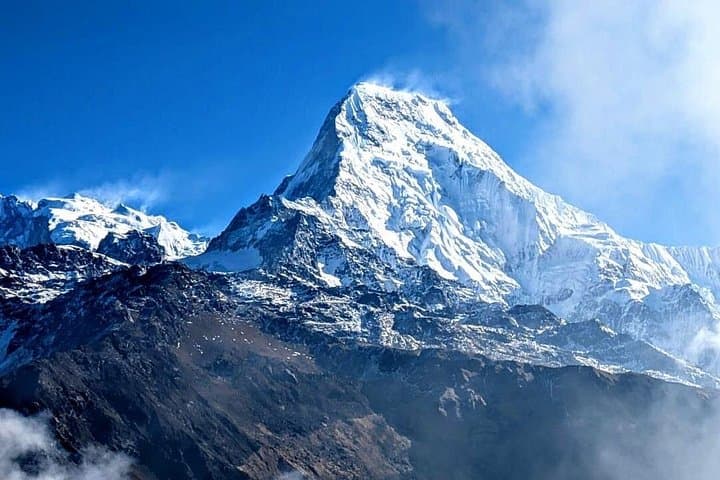
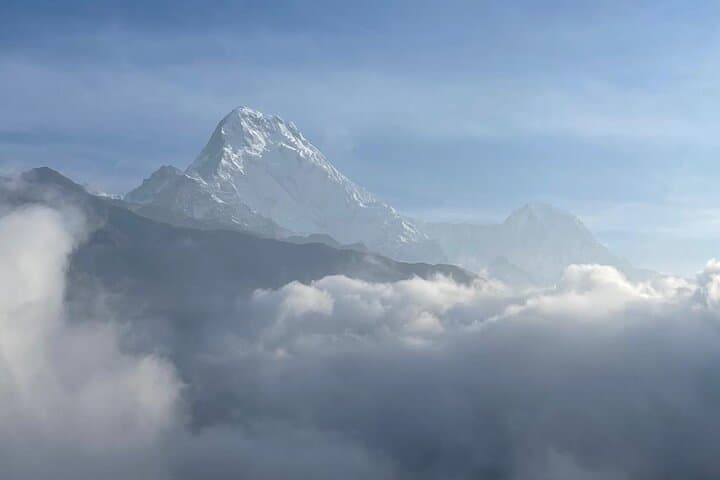
This route sits on the southern shoulders of the Annapurna massif, where young Himalayan geology tilts and exposes rugged peaks—Machhapuchhre, Annapurna South and Himchuli—whose glaciated flanks feed the terraced valleys below. Culturally, the trek passes Gurung villages like Ghandruk, where stone houses, prayer flags and traditional hospitality offer a brief window into hill life and seasonal livestock grazing.
Expect varied terrain: steep stone steps, slipperier soil after rain, and narrow forest tracks through rhododendron and oak. Daily gains are moderate to steep; cumulative elevation gain approaches 2,500–3,000 m from Pokhara to Mulde. Guest houses provide simple meals and sleeps—booked as part of the private itinerary—and your licensed guide handles permits and navigation.
Practical edge: start early for the best visibility and to avoid afternoon cloud build-up; pace ascent to reduce altitude strain; carry layered insulation for sub-zero summit mornings; and keep cash for teahouse purchases.
The trek is a compact Himalayan circuit—short on days but big on views and cultural contact—ideal for trekkers with steady legs, a tolerance for stairs and a taste for high, windy panoramas.
moderate.
4 days.
Suitable for hikers with regular cardio and leg strength; able to handle long days of uphill stone steps and carrying a daypack.
Yes—trekking permits and TIMS are required in the Annapurna area; the private tour handles permits and entrance fees as part of the package.
The route is steep at times with long stair sections; overall difficulty is moderate if you maintain pace and hydrate—allow time for acclimatization.
Overnight stays are in basic guest houses/teahouses with shared facilities; expect simple rooms, local meals and hot water for a fee.
Guides aren’t legally mandatory for all Annapurna treks but a licensed guide is included in this private tour, improving navigation, safety and cultural interpretation.
Ghandruk and surrounding villages are traditional Gurung settlements with long histories of trans-Himalayan trade and military service in Gurkha regiments.
Stick to marked trails and teahouse waste policies; local communities depend on sustainable tourism and water/wood use is regulated seasonally.
CAN Travels operates guided outdoor trips and adventures with an emphasis on safety, stewardship, and memorable experiences.
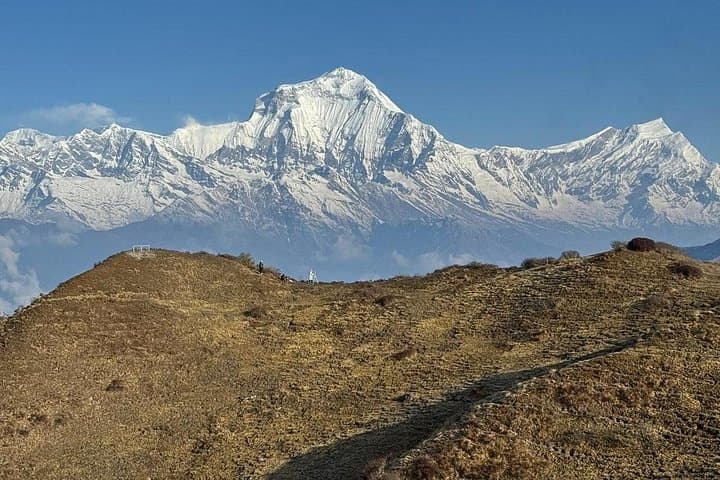
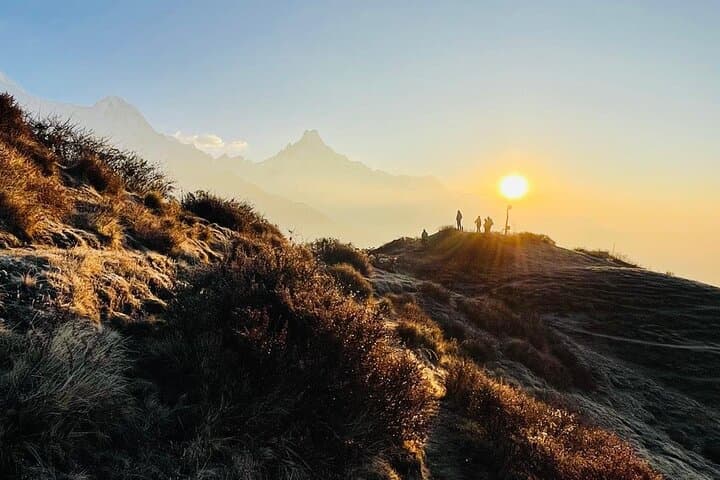
Morning light slices the Annapurna flank as you leave Pokhara and drive toward Tikhedhunga; terraces fall away beneath the vehicle and a stairway of stone steps rises ahead. Over four days the trail climbs from river valleys and farmland into rhododendron-shaded ridgelines, delivering a string of view points—from Ghorepani (≈2,874 m) and Poon Hill (≈3,210 m) to Dobato (≈3,350 m) and finally Mulde at about 3,637 m.
Morning light slices the Annapurna flank as you leave Pokhara and drive toward Tikhedhunga; terraces fall away beneath the vehicle and a stairway of stone steps rises ahead. Over four days the trail climbs from river valleys and farmland into rhododendron-shaded ridgelines, delivering a string of view points—from Ghorepani (≈2,874 m) and Poon Hill (≈3,210 m) to Dobato (≈3,350 m) and finally Mulde at about 3,637 m.
This route sits on the southern shoulders of the Annapurna massif, where young Himalayan geology tilts and exposes rugged peaks—Machhapuchhre, Annapurna South and Himchuli—whose glaciated flanks feed the terraced valleys below. Culturally, the trek passes Gurung villages like Ghandruk, where stone houses, prayer flags and traditional hospitality offer a brief window into hill life and seasonal livestock grazing.
Expect varied terrain: steep stone steps, slipperier soil after rain, and narrow forest tracks through rhododendron and oak. Daily gains are moderate to steep; cumulative elevation gain approaches 2,500–3,000 m from Pokhara to Mulde. Guest houses provide simple meals and sleeps—booked as part of the private itinerary—and your licensed guide handles permits and navigation.
Practical edge: start early for the best visibility and to avoid afternoon cloud build-up; pace ascent to reduce altitude strain; carry layered insulation for sub-zero summit mornings; and keep cash for teahouse purchases.
The trek is a compact Himalayan circuit—short on days but big on views and cultural contact—ideal for trekkers with steady legs, a tolerance for stairs and a taste for high, windy panoramas.