THE ADVENTURE COLLECTIVE® · Independent discovery and booking for outdoor travel

Four days of steep forest trails, tea-house nights and two sunrise summits—Mulde Hill and Poon Hill—offer close-up views of Annapurna and Dhaulagiri. This compact trek balances village culture with dramatic mountain panoramas and practical logistics from Pokhara.
Four days of steep forest trails, tea-house nights and two sunrise summits—Mulde Hill and Poon Hill—offer close-up views of Annapurna and Dhaulagiri. This compact trek balances village culture with dramatic mountain panoramas and practical logistics from Pokhara.
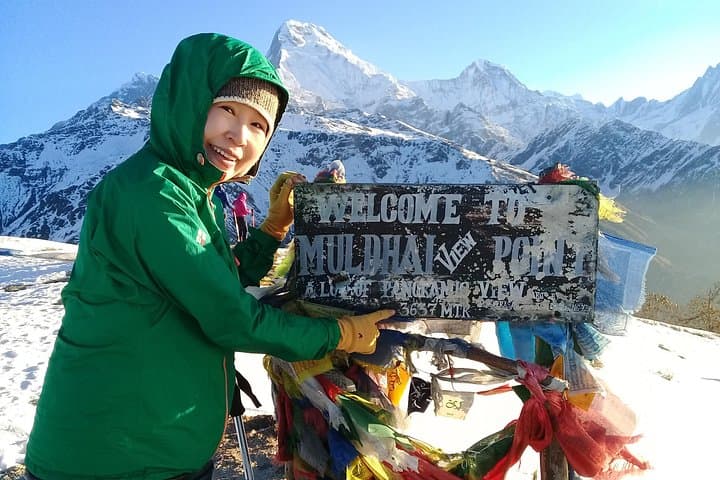
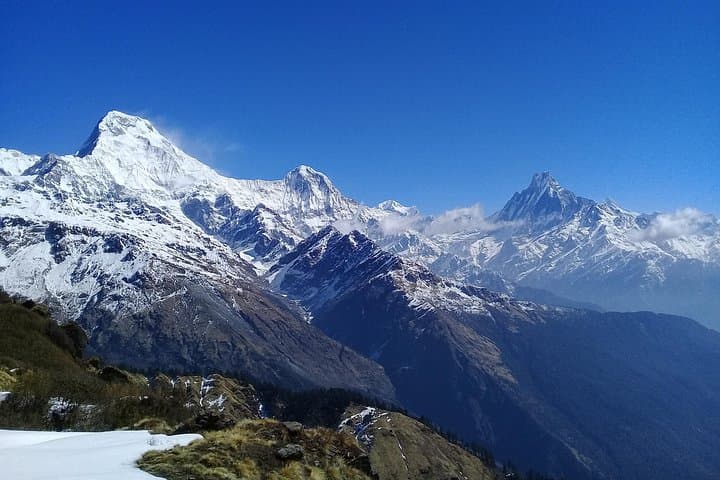
A thin cold light pulls across the rhododendron slopes as you climb toward Mulde Hill; clouds unzip beneath you and the Annapurna and Dhaulagiri ranges assert themselves in hard silver. Daybreak here is brisk—wind and views that demand you move slowly and look long.
Verified experiences and guided adventures in the surrounding area.
Operated by Swissa Adventure Travel & Treks · Pokhara, Gandaki Province
A thin cold light pulls across the rhododendron slopes as you climb toward Mulde Hill; clouds unzip beneath you and the Annapurna and Dhaulagiri ranges assert themselves in hard silver. Daybreak here is brisk—wind and views that demand you move slowly and look long.
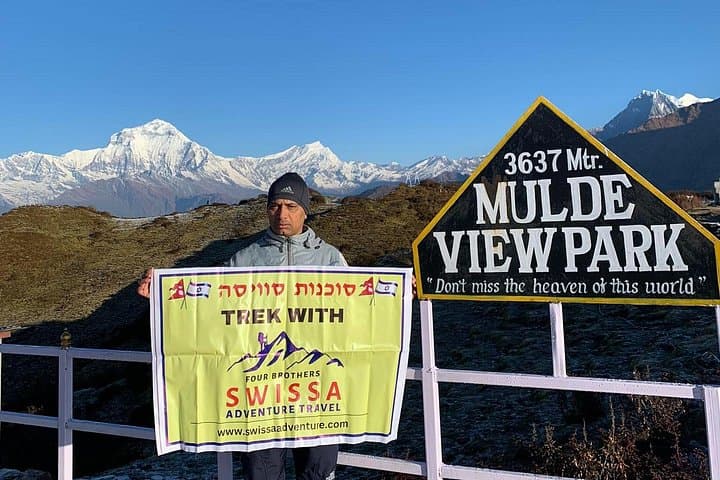
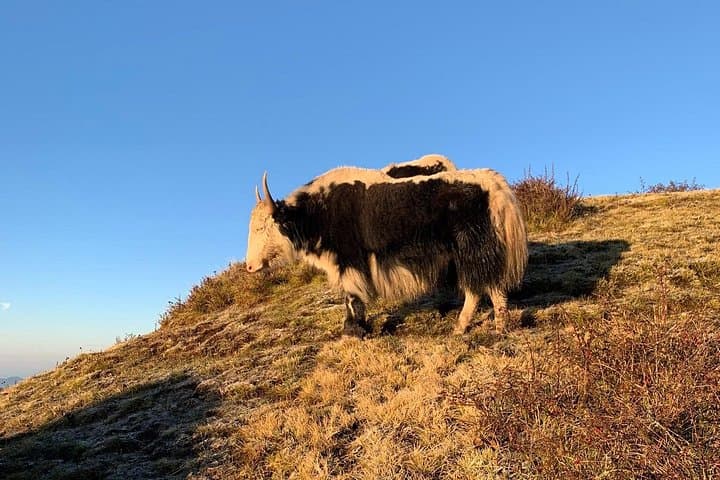
The four-day loop links traditional Gurung villages, mossy forests and classic Annapurna ridgelines. Geologically this is young, uplifted terrain: steep terraces, landslide-prone slopes and rocky outcrops carved by monsoon water. Culturally the route threads through small tea-house communities where stone houses, prayer flags and iron kettles mark daily life. You’ll pass Dobato (≈3,426 m), stand on Mulde Hill (≈3,637 m) for alpine panoramas, then descend to Ghorepani and the famed Poon Hill sunrise (≈3,210–3,350 m viewpoints nearby).
Expect 3–6 hours of walking on most days, steep forested trails, and steady altitude gain—acclimatize and watch for mild symptoms. Permits (ACAP/TIMS) and an English-speaking certified guide are standard; meals and tea-house lodging are included. Mornings are cold and clear; afternoons can cloud up quickly.
Practical tips: hike early for sunrise views, carry layers for sub-zero summit mornings, and use trekking poles on loose descents. Hydrate well—streams are frequent but treat water or use bottled supply. This is a moderate, high-value mountain trek: not technical, but serious about altitude. If you want close mountain faces, village contact and classic Annapurna sunrises in four compact days, this route delivers a concentrated taste of Nepal’s high country.
moderate.
4 days.
Suitable for hikers with regular cardio fitness and experience on steep trails; expect long ascents and some sustained elevation above 3,000 m.
The trails are non-technical but steep; first-timers should be in good cardio shape and allow time for shorter acclimatization while monitoring altitude symptoms.
Yes—ACAP and TIMS permits are required for this region and are typically handled by the operator or guide before departure.
You’ll stay in tea houses with basic private or shared rooms; meals are cooked locally—breakfast, lunch and dinner are usually included in the package.
Spring (March–May) and autumn (September–November) offer the clearest mountain views and stable trekking weather.
The route passes traditional Gurung settlements; these communities have long relied on terrace agriculture and seasonal trade routes into the hills.
This trek lies inside the Annapurna Conservation Area—follow leave-no-trace rules, avoid single-use plastics, and respect local water and fuel resources.
Swissa Adventure Travel & Treks operates guided outdoor trips and adventures with an emphasis on safety, stewardship, and memorable experiences.
A thin cold light pulls across the rhododendron slopes as you climb toward Mulde Hill; clouds unzip beneath you and the Annapurna and Dhaulagiri ranges assert themselves in hard silver. Daybreak here is brisk—wind and views that demand you move slowly and look long.
A thin cold light pulls across the rhododendron slopes as you climb toward Mulde Hill; clouds unzip beneath you and the Annapurna and Dhaulagiri ranges assert themselves in hard silver. Daybreak here is brisk—wind and views that demand you move slowly and look long.
The four-day loop links traditional Gurung villages, mossy forests and classic Annapurna ridgelines. Geologically this is young, uplifted terrain: steep terraces, landslide-prone slopes and rocky outcrops carved by monsoon water. Culturally the route threads through small tea-house communities where stone houses, prayer flags and iron kettles mark daily life. You’ll pass Dobato (≈3,426 m), stand on Mulde Hill (≈3,637 m) for alpine panoramas, then descend to Ghorepani and the famed Poon Hill sunrise (≈3,210–3,350 m viewpoints nearby).
Expect 3–6 hours of walking on most days, steep forested trails, and steady altitude gain—acclimatize and watch for mild symptoms. Permits (ACAP/TIMS) and an English-speaking certified guide are standard; meals and tea-house lodging are included. Mornings are cold and clear; afternoons can cloud up quickly.
Practical tips: hike early for sunrise views, carry layers for sub-zero summit mornings, and use trekking poles on loose descents. Hydrate well—streams are frequent but treat water or use bottled supply. This is a moderate, high-value mountain trek: not technical, but serious about altitude. If you want close mountain faces, village contact and classic Annapurna sunrises in four compact days, this route delivers a concentrated taste of Nepal’s high country.