THE ADVENTURE COLLECTIVE® · Independent discovery and booking for outdoor travel

Step into a Tonga village near Livingstone for hands-on crafts, traditional cooking and a clear-eyed look at rural life along the Zambezi. This flexible half- or full-day tour pairs accessibility with authentic cultural exchange.
Step into a Tonga village near Livingstone for hands-on crafts, traditional cooking and a clear-eyed look at rural life along the Zambezi. This flexible half- or full-day tour pairs accessibility with authentic cultural exchange.
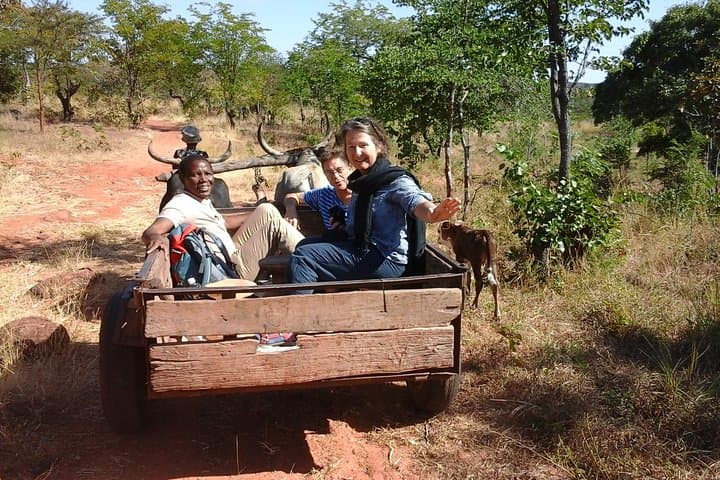
Morning light hits the red earth outside Livingstone and the village wakes with the staccato rhythm of pots, voices and a distant river. On the Mukwalantila Village cultural tour, visitors step off the main road into narrow paths between thatched homes where daily life is visible and immediate: women grinding maize, children weaving baskets, elders smoking and telling local stories.
Verified experiences and guided adventures in the surrounding area.
Operated by Nekacheya Travel And Tours · Livingstone, Southern Province
Morning light hits the red earth outside Livingstone and the village wakes with the staccato rhythm of pots, voices and a distant river. On the Mukwalantila Village cultural tour, visitors step off the main road into narrow paths between thatched homes where daily life is visible and immediate: women grinding maize, children weaving baskets, elders smoking and telling local stories.
The Tonga people have lived along the Zambezi floodplain for centuries; their livelihoods reflect a long familiarity with seasonal river cycles, floodplain soils and a cuisine built around maize, river fish and foraged greens. Geologically, this region is shaped by the Zambezi and its tributaries—sandy soils, low ridges and pockets of dense riparian vegetation—so the strolls are flat and tactile underfoot.
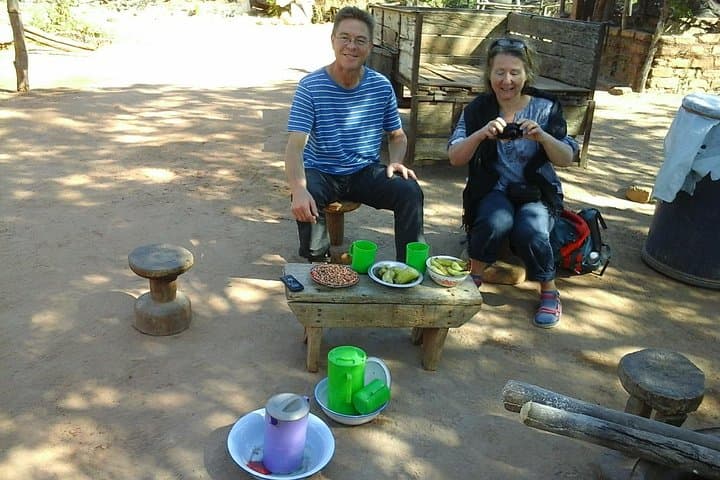
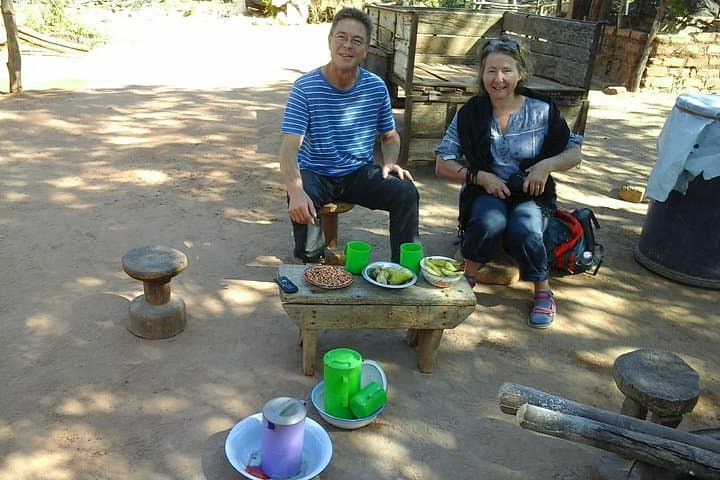
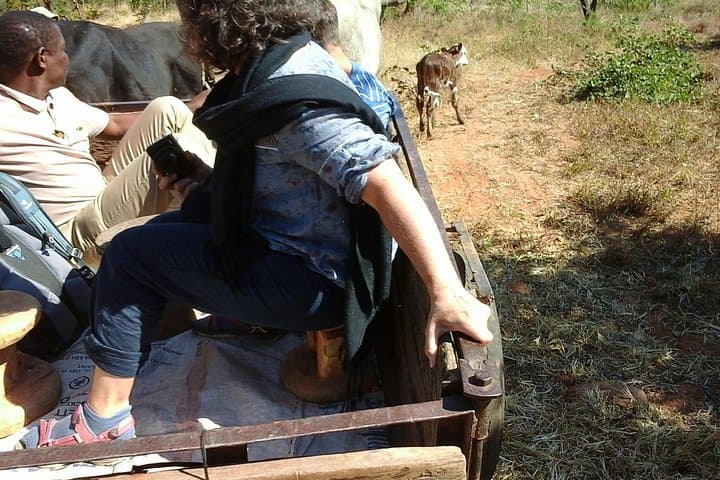
Expect hands-on demonstrations: thatching, basket weaving, traditional cooking and local song. Guides explain social customs and language basics, and hosts often sell small, handmade crafts. The tour is flexible—half-day or full-day—and runs year-round, with bottled water and snacks typically provided. Transport and paths are generally accessible; comfortable shoes handle dusty tracks and occasional muddy patches after rain.
Practical notes: visit early to avoid midday heat, bring sun protection and modest clothing, ask permission before photographing people, and carry small local currency for purchases or tips. This is a low-impact cultural exchange: be curious, patient and respectful—your presence supports local incomes and preserves traditional skills.
easy.
6–8 hours (flexible; half or full day).
Suitable for people of most fitness levels; involves short walks on flat, sometimes uneven village paths.
The tour is flexible—commonly offered as a half-day (about 3–4 hours) or full-day (6–8 hours) experience depending on your booking.
Many providers note wheelchair-accessible transport and paths where possible, but terrain in the village can be uneven; check accessibility details with the operator before booking.
Bottled water and snacks are typically included; full meals depend on the tour option—confirm at booking if a host-prepared meal is desired.
Yes—small handmade items are often available for purchase; bring local currency and expect simple bargaining.
The Tonga people are one of Zambia’s oldest riverine communities; their settlement patterns and crafts evolved around the Zambezi’s seasonal floodplain.
Tourism supports household incomes and traditional skills; visitors should minimize plastic waste, respect water use, and follow host guidance to reduce cultural and environmental impact.
Nekacheya Travel And Tours operates guided outdoor trips and adventures with an emphasis on safety, stewardship, and memorable experiences.
Morning light hits the red earth outside Livingstone and the village wakes with the staccato rhythm of pots, voices and a distant river. On the Mukwalantila Village cultural tour, visitors step off the main road into narrow paths between thatched homes where daily life is visible and immediate: women grinding maize, children weaving baskets, elders smoking and telling local stories.
Morning light hits the red earth outside Livingstone and the village wakes with the staccato rhythm of pots, voices and a distant river. On the Mukwalantila Village cultural tour, visitors step off the main road into narrow paths between thatched homes where daily life is visible and immediate: women grinding maize, children weaving baskets, elders smoking and telling local stories.
The Tonga people have lived along the Zambezi floodplain for centuries; their livelihoods reflect a long familiarity with seasonal river cycles, floodplain soils and a cuisine built around maize, river fish and foraged greens. Geologically, this region is shaped by the Zambezi and its tributaries—sandy soils, low ridges and pockets of dense riparian vegetation—so the strolls are flat and tactile underfoot.
Expect hands-on demonstrations: thatching, basket weaving, traditional cooking and local song. Guides explain social customs and language basics, and hosts often sell small, handmade crafts. The tour is flexible—half-day or full-day—and runs year-round, with bottled water and snacks typically provided. Transport and paths are generally accessible; comfortable shoes handle dusty tracks and occasional muddy patches after rain.
Practical notes: visit early to avoid midday heat, bring sun protection and modest clothing, ask permission before photographing people, and carry small local currency for purchases or tips. This is a low-impact cultural exchange: be curious, patient and respectful—your presence supports local incomes and preserves traditional skills.