THE ADVENTURE COLLECTIVE® · Independent discovery and booking for outdoor travel

A full-day exploration from Hanoi through Ninh Binh’s karst peaks: climb Mua Cave for sweeping views, cycle rural lanes, ride a sampan through Tam Coc’s caves and visit the ancient capital of Hoa Lu. This active day blends history, geology and village life.
A full-day exploration from Hanoi through Ninh Binh’s karst peaks: climb Mua Cave for sweeping views, cycle rural lanes, ride a sampan through Tam Coc’s caves and visit the ancient capital of Hoa Lu. This active day blends history, geology and village life.
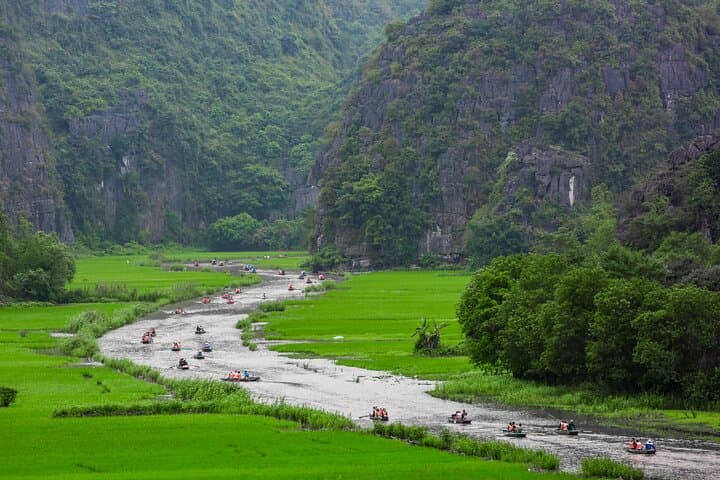
Morning light slices across rice paddies as a minivan departs Hanoi’s Old Quarter; two hours later the karst skyline of Ninh Bình rises like an inland archipelago. At Mua Cave the group author climbs a broad stone stairway to a limestone ridge — about 500 steps and roughly 150–200 m of gain — rewarded by a panoramic sweep of the Ngo Dong River threading between towers of limestone.
Verified experiences and guided adventures in the surrounding area.
Operated by Authentic Travel VIETNAM · Ninh Binh, Ninh Binh Province
Morning light slices across rice paddies as a minivan departs Hanoi’s Old Quarter; two hours later the karst skyline of Ninh Bình rises like an inland archipelago. At Mua Cave the group author climbs a broad stone stairway to a limestone ridge — about 500 steps and roughly 150–200 m of gain — rewarded by a panoramic sweep of the Ngo Dong River threading between towers of limestone.
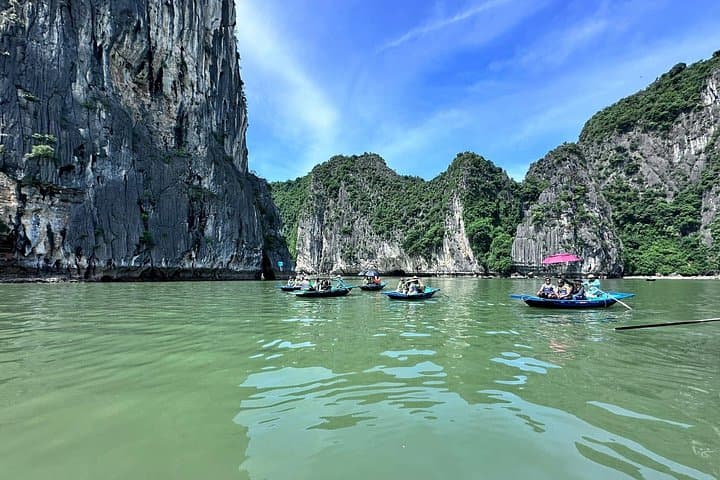
This one-day loop stitches together layered history and karst geology. Hoa Lu was Vietnam’s 10th–11th century capital, its earthen citadel set against defensive limestone outcrops. The Tam Coc boat ride runs along the Ngo Dong, ferrying you through three river caves carved by seasonal floods; the same karst you see here formed over millions of years as freshwater dissolved limestone, leaving steep-sided towers and narrow cave mouths.
Culture is immediate: a stop at a local farmer’s house introduces VAC farming (garden-pond-cage systems) and household altar traditions; lunch features local Vietnamese dishes that are simple, rice-forward and regionally sourced. Cycling follows quiet lanes between paddies and fish ponds — expect flat terrain with occasional sandy tracks and light traffic.
Practical edge: the day is long (10–11 hours), so plan for sun exposure, humidity, and many stairs. Wear grippy shoes for the Mua steps, bring a rain shell in unpredictable months, and carry water for cycling segments. The trip mixes easy paddling, steady walking, and short climbs — an accessible, varied day that showcases Ninh Bình’s geology, rural life, and historical roots.
moderate.
10–11 hours.
Suitable for travelers in reasonable shape who can climb a long stairway, ride a bike 8–12 km, and sit through a 2-hour transfer each way.
Expect roughly 2 hours each way depending on traffic—total trip time is about 10–11 hours including activities.
Yes—routes are gentle; basic biking ability and comfortable balance on a flat sampan are sufficient.
The climb involves roughly 500 stone steps and short steep sections; it’s strenuous but manageable for most people with regular mobility.
Yes—lunch at a local restaurant and relevant entrance fees for sites included in the tour price.
Hoa Lu served as Vietnam’s capital in the 10th–11th centuries and retains small shrines and defensive earthworks set against limestone hills.
The karst and river systems are sensitive to tourism and agricultural runoff; stick to marked paths, avoid single-use plastics and respect local farming areas.
Authentic Travel VIETNAM operates guided outdoor trips and adventures with an emphasis on safety, stewardship, and memorable experiences.


Morning light slices across rice paddies as a minivan departs Hanoi’s Old Quarter; two hours later the karst skyline of Ninh Bình rises like an inland archipelago. At Mua Cave the group author climbs a broad stone stairway to a limestone ridge — about 500 steps and roughly 150–200 m of gain — rewarded by a panoramic sweep of the Ngo Dong River threading between towers of limestone.
Morning light slices across rice paddies as a minivan departs Hanoi’s Old Quarter; two hours later the karst skyline of Ninh Bình rises like an inland archipelago. At Mua Cave the group author climbs a broad stone stairway to a limestone ridge — about 500 steps and roughly 150–200 m of gain — rewarded by a panoramic sweep of the Ngo Dong River threading between towers of limestone.
This one-day loop stitches together layered history and karst geology. Hoa Lu was Vietnam’s 10th–11th century capital, its earthen citadel set against defensive limestone outcrops. The Tam Coc boat ride runs along the Ngo Dong, ferrying you through three river caves carved by seasonal floods; the same karst you see here formed over millions of years as freshwater dissolved limestone, leaving steep-sided towers and narrow cave mouths.
Culture is immediate: a stop at a local farmer’s house introduces VAC farming (garden-pond-cage systems) and household altar traditions; lunch features local Vietnamese dishes that are simple, rice-forward and regionally sourced. Cycling follows quiet lanes between paddies and fish ponds — expect flat terrain with occasional sandy tracks and light traffic.
Practical edge: the day is long (10–11 hours), so plan for sun exposure, humidity, and many stairs. Wear grippy shoes for the Mua steps, bring a rain shell in unpredictable months, and carry water for cycling segments. The trip mixes easy paddling, steady walking, and short climbs — an accessible, varied day that showcases Ninh Bình’s geology, rural life, and historical roots.