THE ADVENTURE COLLECTIVE® · Independent discovery and booking for outdoor travel

Three days in Mu Cang Chai link winding passes, hand-cut rice terraces and communal homestays into a compact cultural trek. Expect two full days of hiking, one motorbike day across Khau Pha Pass, and close-up encounters with H’mong hill-side life.
Three days in Mu Cang Chai link winding passes, hand-cut rice terraces and communal homestays into a compact cultural trek. Expect two full days of hiking, one motorbike day across Khau Pha Pass, and close-up encounters with H’mong hill-side life.
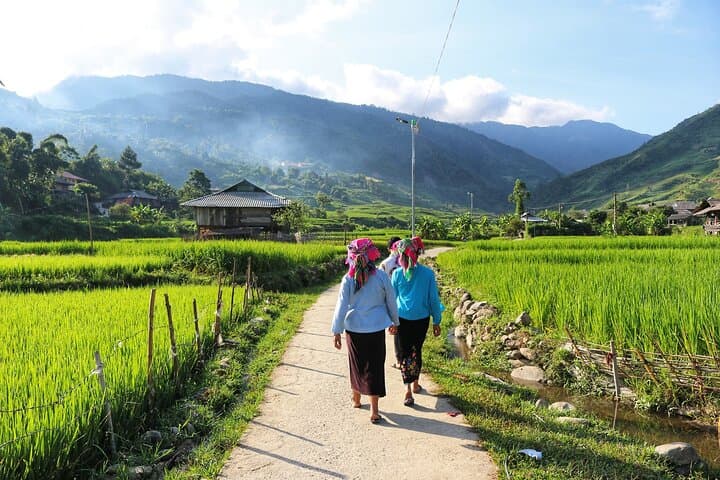
Dawn breaks over narrow ridgelines, and the rice terraces below catch light like a stepped sea. You arrive by local bus after a winding 200 km drive from Sapa, then slip into a shared stilt house where the night is scented with wood smoke and wild herbs. Over three days the landscape alternates between carved paddies, bamboo groves, and creased limestone ridges; streams cut through valleys and dare you to follow them upstream.
Verified experiences and guided adventures in the surrounding area.
Operated by DCT Responsible Travel · Mu Cang Chai, Yen Bai
Dawn breaks over narrow ridgelines, and the rice terraces below catch light like a stepped sea. You arrive by local bus after a winding 200 km drive from Sapa, then slip into a shared stilt house where the night is scented with wood smoke and wild herbs. Over three days the landscape alternates between carved paddies, bamboo groves, and creased limestone ridges; streams cut through valleys and dare you to follow them upstream.
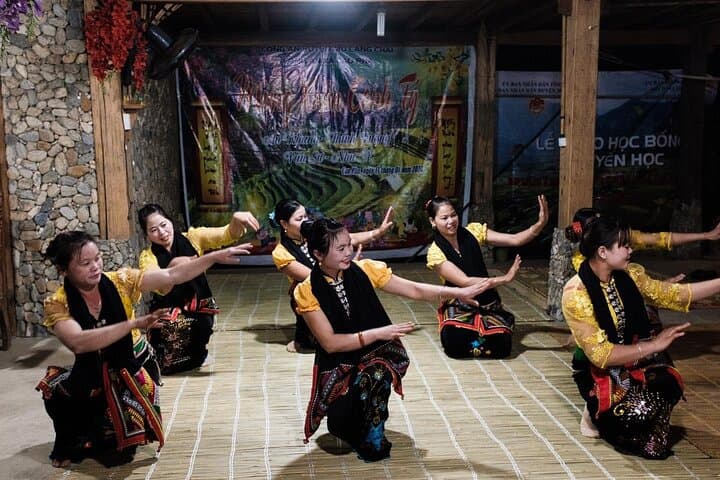
These terraces—shaped over generations by H’mong and Thai families—sit between roughly 1,000–1,600 m elevation and are practical feats of vernacular engineering as much as they are scenic highlights. Geology here is folded metamorphic rock; soil and irrigation combine to create the layered fields that peak in color late September–October. Culture is front and center: small villages, homestays on stilts, and roadside market trade keep traditional agricultural rhythms alive.
Expect a mix of activity: two full days of guided trekking on narrow mountain trails (3–6 hours walking each day, with cumulative ascents of a few hundred meters), a pillion motorbike tour across Khau Pha Pass, and simple communal accommodation. Feet will cross suspension bridges, creek fords, and terraced ledges; a local guide smooths navigation and opens cultural doors.
Practical: pack layered clothing, waterproof footwear, insect protection, and cash for village purchases. Aim for a moderate fitness base—steady hiking and stable balance matter more than technical skill. Travel lightly, respect terraces, and arrive ready to trade screens for long vistas and genuine home-cooked meals.
moderate.
3 days.
Suitable for travelers with moderate cardiovascular fitness who can walk 3–6 hours on uneven terrain and handle short, steep sections.
Trekking days typically involve 3–6 hours of walking on uneven, narrow trails with several short ascents; moderate fitness and sure-footedness are recommended.
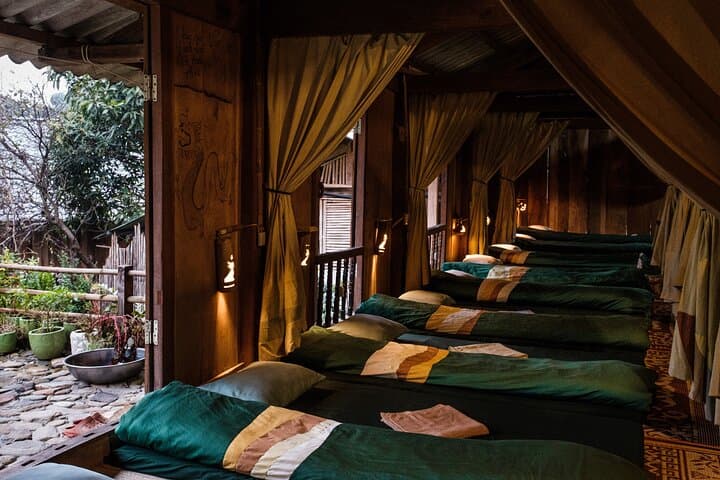
Most nights are in shared traditional stilt houses with single mattresses, blankets and mosquito nets; a private stilt house may be available for a surcharge.
Elevations generally range around 1,000–1,600 m—altitude effects are minimal for most travelers but allow time to acclimatize if coming from sea level.
Breakfasts, lunches and dinners are included as listed; drinkable bottled water is advised for the trail since village water varies.
The terraces were expanded over generations by H’mong and Thai communities adapting steep slopes to rice agriculture, creating highly efficient irrigation mosaics.
Support homestays, stay on established trails, and avoid trampling paddies—sustainable tourism helps preserve both livelihoods and fragile terrace soils.
DCT Responsible Travel operates guided outdoor trips and adventures with an emphasis on safety, stewardship, and memorable experiences.
Dawn breaks over narrow ridgelines, and the rice terraces below catch light like a stepped sea. You arrive by local bus after a winding 200 km drive from Sapa, then slip into a shared stilt house where the night is scented with wood smoke and wild herbs. Over three days the landscape alternates between carved paddies, bamboo groves, and creased limestone ridges; streams cut through valleys and dare you to follow them upstream.
Dawn breaks over narrow ridgelines, and the rice terraces below catch light like a stepped sea. You arrive by local bus after a winding 200 km drive from Sapa, then slip into a shared stilt house where the night is scented with wood smoke and wild herbs. Over three days the landscape alternates between carved paddies, bamboo groves, and creased limestone ridges; streams cut through valleys and dare you to follow them upstream.
These terraces—shaped over generations by H’mong and Thai families—sit between roughly 1,000–1,600 m elevation and are practical feats of vernacular engineering as much as they are scenic highlights. Geology here is folded metamorphic rock; soil and irrigation combine to create the layered fields that peak in color late September–October. Culture is front and center: small villages, homestays on stilts, and roadside market trade keep traditional agricultural rhythms alive.
Expect a mix of activity: two full days of guided trekking on narrow mountain trails (3–6 hours walking each day, with cumulative ascents of a few hundred meters), a pillion motorbike tour across Khau Pha Pass, and simple communal accommodation. Feet will cross suspension bridges, creek fords, and terraced ledges; a local guide smooths navigation and opens cultural doors.
Practical: pack layered clothing, waterproof footwear, insect protection, and cash for village purchases. Aim for a moderate fitness base—steady hiking and stable balance matter more than technical skill. Travel lightly, respect terraces, and arrive ready to trade screens for long vistas and genuine home-cooked meals.