THE ADVENTURE COLLECTIVE® · Independent discovery and booking for outdoor travel

Spend a full day trekking 15 km from Mù Cang Chải through bamboo groves, terraced rice fields and Corn House villages. This guided route blends panoramic viewpoints with authentic encounters with H’mong farming communities.
Spend a full day trekking 15 km from Mù Cang Chải through bamboo groves, terraced rice fields and Corn House villages. This guided route blends panoramic viewpoints with authentic encounters with H’mong farming communities.
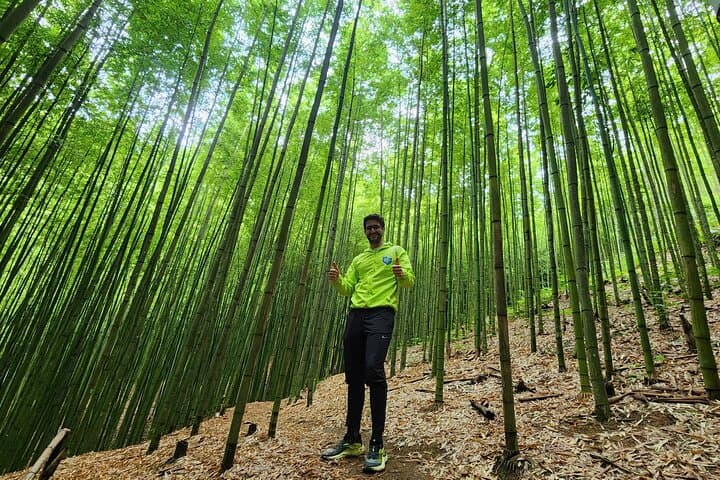
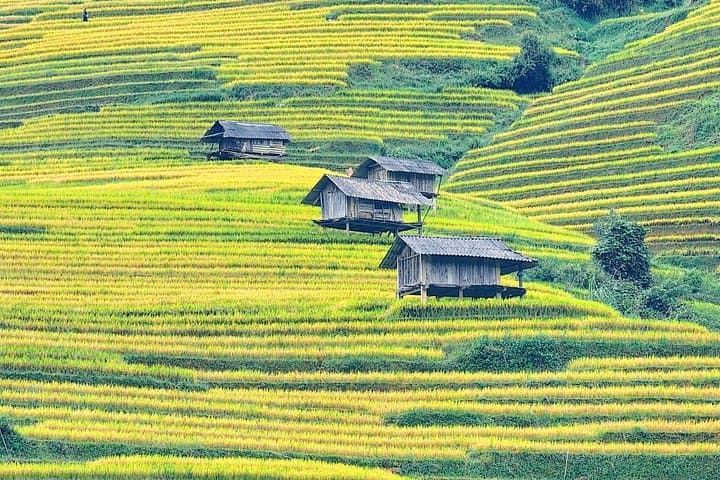
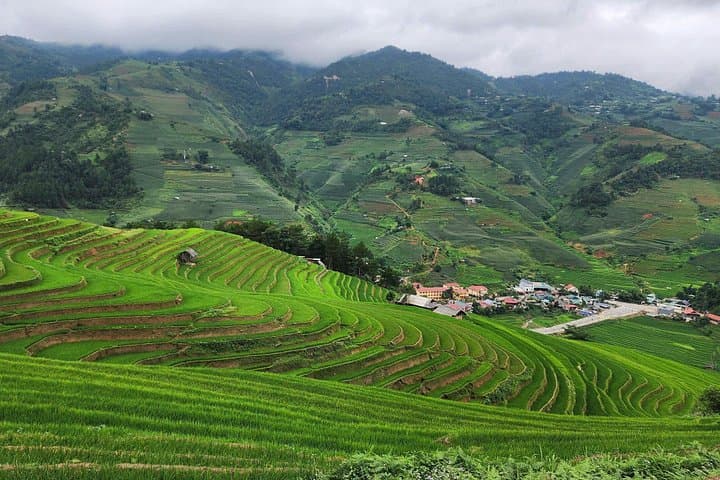
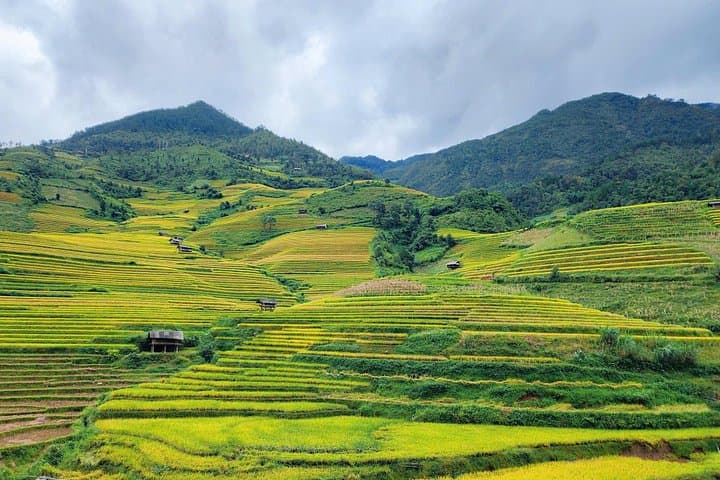
A cool mountain mist lifts as your boots find the first switchback out of Mù Cang Chải town. Bamboo groves lean in like quiet guides and terraces roll away below, carved into the hills like giant steps for the sky. The trail threads through H’mong villages where children glance up from chores and wooden stilt houses display rows of golden corn.
Verified experiences and guided adventures in the surrounding area.
Operated by SAIGONESE TREKKING HOUSE · Mù Cang Chải, Yên Bái
A cool mountain mist lifts as your boots find the first switchback out of Mù Cang Chải town. Bamboo groves lean in like quiet guides and terraces roll away below, carved into the hills like giant steps for the sky. The trail threads through H’mong villages where children glance up from chores and wooden stilt houses display rows of golden corn.
Mu Cang Chai’s terraces are living geology: centuries of human effort shaping steep volcanic slopes into irrigated ribbons. The region’s H’mong and Thai communities farm rice here using traditional methods that dictate the rhythm of the landscape—planting, flooding, and harvesting that change the valley’s color from emerald to burnished gold.
Along a 15 km loop you’ll stop at Mong Ngua (Horseshoe) Hill for a panoramic sweep of layered paddies, linger in a dim, cool bamboo forest where light filters through tall culms, and visit Corn House villages that show daily life on stilts. Guides explain seasonal farming practices and the simple architecture that ventilates and stores crops.
Practical notes: expect uneven trails, short steep pitches and loose rock underfoot; bring a daypack with water and layered clothing for rapid weather shifts. This is a full-day trek (around seven hours including breaks) suited to hikers with moderate fitness. Respect private village spaces, keep to marked paths to reduce erosion, and carry cash for small purchases or tips—local families rely on modest income from visitors.
By planning for rain, sun and long uphill sections you’ll move confidently through a landscape that pushes and rewards you in equal measure.
moderate.
7 hours.
Moderate endurance with ability to handle sustained uphill sections and uneven terrain
The guided route covers about 15 km and runs roughly 7 hours including stops for viewpoints and lunch.
It’s suited to hikers with a moderate fitness level; beginners with good fitness and proper footwear can join, but it’s not recommended for those with serious mobility or heart issues.
Lunch and bottled water are typically included; village stops may offer basic snacks and pit toilets but bring tissues and hand sanitizer.
No special permit is required for the typical day routes, but respect local rules and follow the guide’s directions.
The terraces of Mù Cang Chải were shaped over generations by ethnic groups such as the H’mong and Thai; rice cultivation here follows century-old techniques suited to steep slopes.
Erosion from heavy foot traffic is a rising concern—stick to trails, avoid trampling young terraces, and support local guides and businesses to foster sustainable tourism.
SAIGONESE TREKKING HOUSE operates guided outdoor trips and adventures with an emphasis on safety, stewardship, and memorable experiences.
A cool mountain mist lifts as your boots find the first switchback out of Mù Cang Chải town. Bamboo groves lean in like quiet guides and terraces roll away below, carved into the hills like giant steps for the sky. The trail threads through H’mong villages where children glance up from chores and wooden stilt houses display rows of golden corn.
A cool mountain mist lifts as your boots find the first switchback out of Mù Cang Chải town. Bamboo groves lean in like quiet guides and terraces roll away below, carved into the hills like giant steps for the sky. The trail threads through H’mong villages where children glance up from chores and wooden stilt houses display rows of golden corn.
Mu Cang Chai’s terraces are living geology: centuries of human effort shaping steep volcanic slopes into irrigated ribbons. The region’s H’mong and Thai communities farm rice here using traditional methods that dictate the rhythm of the landscape—planting, flooding, and harvesting that change the valley’s color from emerald to burnished gold.
Along a 15 km loop you’ll stop at Mong Ngua (Horseshoe) Hill for a panoramic sweep of layered paddies, linger in a dim, cool bamboo forest where light filters through tall culms, and visit Corn House villages that show daily life on stilts. Guides explain seasonal farming practices and the simple architecture that ventilates and stores crops.
Practical notes: expect uneven trails, short steep pitches and loose rock underfoot; bring a daypack with water and layered clothing for rapid weather shifts. This is a full-day trek (around seven hours including breaks) suited to hikers with moderate fitness. Respect private village spaces, keep to marked paths to reduce erosion, and carry cash for small purchases or tips—local families rely on modest income from visitors.
By planning for rain, sun and long uphill sections you’ll move confidently through a landscape that pushes and rewards you in equal measure.