THE ADVENTURE COLLECTIVE® · Independent discovery and booking for outdoor travel

A private 3-day journey from Hanoi into Mu Cang Chai’s terraced highlands: guided rice-terrace treks, homestay evenings with H’mong hosts, and a half-day motorbike loop to the region’s iconic ridgelines.
A private 3-day journey from Hanoi into Mu Cang Chai’s terraced highlands: guided rice-terrace treks, homestay evenings with H’mong hosts, and a half-day motorbike loop to the region’s iconic ridgelines.
A low mist lifts off the rice terraces as a private car threads the mountain pass, leaving Hanoi’s flat horizon behind. By dusk a H’mong homestay appears — smoke from a cooking hearth, the clack of looms — and the valley begins to speak: children calling, water channels routing irrigation like deliberate hands.
Verified experiences and guided adventures in the surrounding area.
Operated by Indigenous Adventure · Mu Cang Chai, Yen Bai
A low mist lifts off the rice terraces as a private car threads the mountain pass, leaving Hanoi’s flat horizon behind. By dusk a H’mong homestay appears — smoke from a cooking hearth, the clack of looms — and the valley begins to speak: children calling, water channels routing irrigation like deliberate hands.
Mu Cang Chai’s sculpted terraces were carved over centuries into steep volcanic slopes, a visible record of agrarian ingenuity and the H’mong and Thai communities who tend them. Geologically the district sits on folded sedimentary and ancient volcanic rocks; the terraces cling to steep gradients, turning runoff and rain into productive steps. Local markets and homestays preserve traditional weaving and seasonal rice-cycle rituals; guides often point out terrace names and explain planting and harvest timing.
Practically, this private 3-day itinerary pairs a full-day guided trek through La Pan Tan and Đồi Mâm Xôi with a half-day motorbike loop to viewpoints like the “Dinosaur Backbone” and Móng Ngựa. Expect uneven trails, muddy sections after rain, and frequent elevation change; the route is fully customizable to fitness and weather.
Plan for early starts to catch the best light, bring waterproof layers and sturdy boots for terraces and stream crossings, and carry small-denomination cash for market purchases. Respect private fields and ask before photographing people at work. Timing matters: planting and harvest offer the richest cultural interactions, while the shoulder seasons provide clearer roads and fewer visitors.
This blend of trekking, cultural exchange, and short motorbike rides gives travelers a compact, authentic window into Vietnam’s highland rhythms.
moderate.
2–3 days.
Moderate fitness; able to hike 6–12 km over uneven terrain with sustained elevation changes.
The full-day terrace trek is moderate: expect uneven trails, short steep sections, and multiple river or irrigation crossings; a moderate fitness level is recommended.
Yes — this private tour is adjustable: guides can shorten walking sections, add rest stops, or replace long hikes with more motorbike time.
September–October for harvest colors and May–June for lush green rice; winter can be dry and crisp but colder at altitude.
Yes — two nights in a family-run homestay with private room and bathroom are included, plus breakfasts, two lunches, and two dinners as listed.
The terraces are centuries-old, created by Tay, H’mong, and Dao groups who adapted rice cultivation to steep highland slopes; many homestays preserve traditional weaving techniques.
Visitors should stay on marked paths to avoid trampling young paddies and minimize water disturbance; many locals participate in terrace maintenance programs to prevent erosion.
Indigenous Adventure operates guided outdoor trips and adventures with an emphasis on safety, stewardship, and memorable experiences.
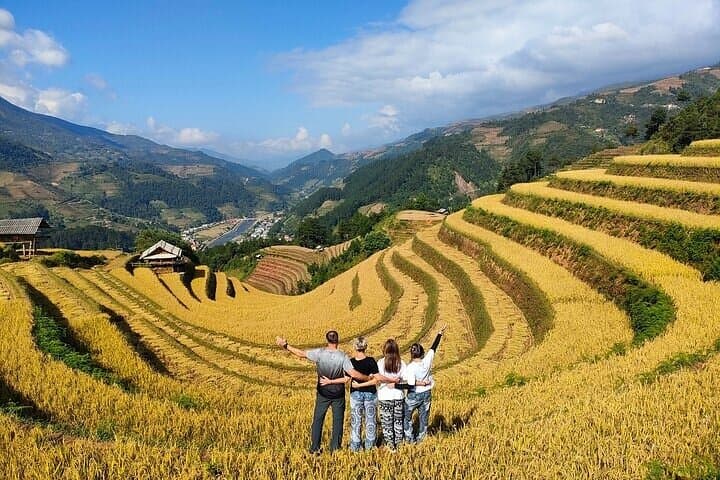
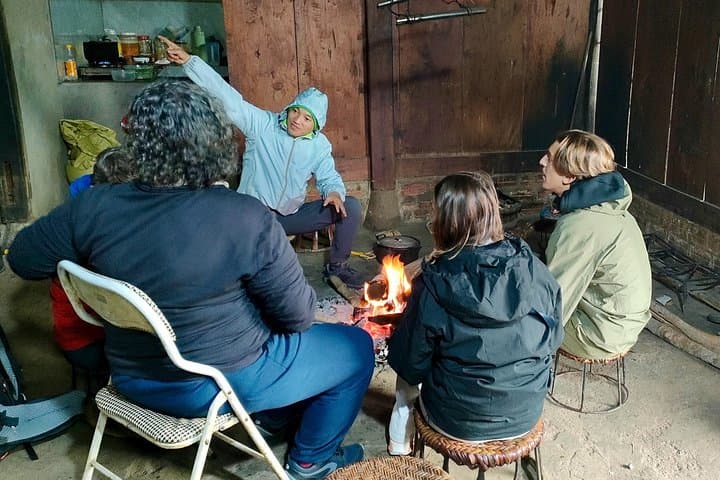
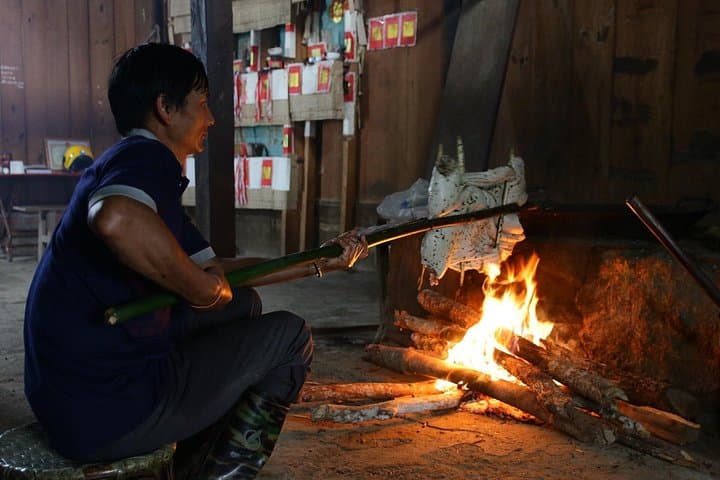
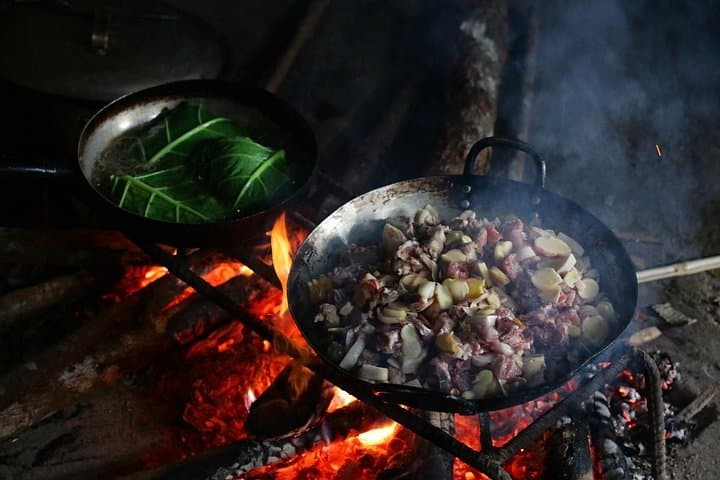
A low mist lifts off the rice terraces as a private car threads the mountain pass, leaving Hanoi’s flat horizon behind. By dusk a H’mong homestay appears — smoke from a cooking hearth, the clack of looms — and the valley begins to speak: children calling, water channels routing irrigation like deliberate hands.
A low mist lifts off the rice terraces as a private car threads the mountain pass, leaving Hanoi’s flat horizon behind. By dusk a H’mong homestay appears — smoke from a cooking hearth, the clack of looms — and the valley begins to speak: children calling, water channels routing irrigation like deliberate hands.
Mu Cang Chai’s sculpted terraces were carved over centuries into steep volcanic slopes, a visible record of agrarian ingenuity and the H’mong and Thai communities who tend them. Geologically the district sits on folded sedimentary and ancient volcanic rocks; the terraces cling to steep gradients, turning runoff and rain into productive steps. Local markets and homestays preserve traditional weaving and seasonal rice-cycle rituals; guides often point out terrace names and explain planting and harvest timing.
Practically, this private 3-day itinerary pairs a full-day guided trek through La Pan Tan and Đồi Mâm Xôi with a half-day motorbike loop to viewpoints like the “Dinosaur Backbone” and Móng Ngựa. Expect uneven trails, muddy sections after rain, and frequent elevation change; the route is fully customizable to fitness and weather.
Plan for early starts to catch the best light, bring waterproof layers and sturdy boots for terraces and stream crossings, and carry small-denomination cash for market purchases. Respect private fields and ask before photographing people at work. Timing matters: planting and harvest offer the richest cultural interactions, while the shoulder seasons provide clearer roads and fewer visitors.
This blend of trekking, cultural exchange, and short motorbike rides gives travelers a compact, authentic window into Vietnam’s highland rhythms.