THE ADVENTURE COLLECTIVE® · Independent discovery and booking for outdoor travel

A full‑day sweep from Tbilisi takes you through Georgia’s ancient capital, a 3,000‑year‑old rock city, a regional fortress town, and the pine‑cooled springs of Borjomi National Park. Perfect for history buffs who also want a taste of Georgian nature.
A full‑day sweep from Tbilisi takes you through Georgia’s ancient capital, a 3,000‑year‑old rock city, a regional fortress town, and the pine‑cooled springs of Borjomi National Park. Perfect for history buffs who also want a taste of Georgian nature.
Morning light runs down the Mtkvari River as your driver eases out of Tbilisi and the first silhouette you meet is Jvari church, perched above a confluence where history and landscape collide. The road threads through low Caucasus foothills; by mid‑day you’re stepping into Uplistsikhe’s honeycombed rock streets where ancient doorways still watch the valley.
Verified experiences and guided adventures in the surrounding area.
Operated by Private Multi-Day Tours in Georgia · Gori, Shida Kartli
Morning light runs down the Mtkvari River as your driver eases out of Tbilisi and the first silhouette you meet is Jvari church, perched above a confluence where history and landscape collide. The road threads through low Caucasus foothills; by mid‑day you’re stepping into Uplistsikhe’s honeycombed rock streets where ancient doorways still watch the valley.
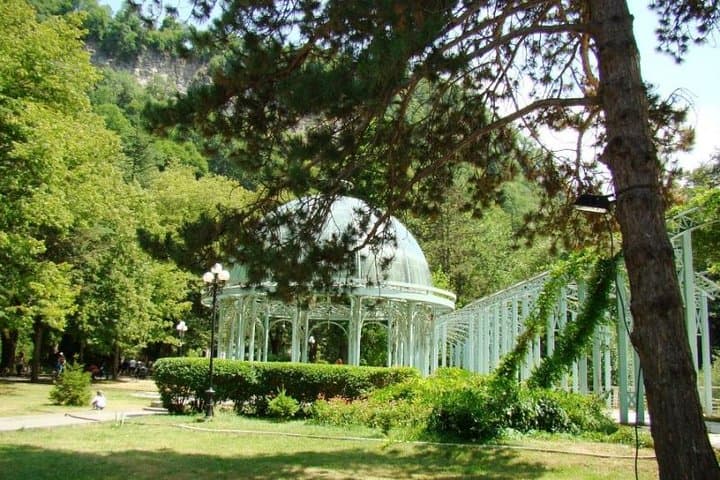
This route stitches together eras: Mtskheta, Georgia’s early Christian capital, holds Svetitskhoveli Cathedral and a medieval pulse; Gori carries a rougher edge — a 10th‑century fortress and the controversial history around Stalin’s birthplace; further south, Borjomi opens into mineral springs and pine forests shaped by volcanic geology and centuries of spa culture.
Geology shows in the steam of thermal pools and in the carved caverns of Uplistsikhe, culture appears in roadside stalls selling churchkhela and tannic local wines, and the forested slopes of Borjomi National Park push back the city’s heat with cooler, resinous air.
Practically: expect a long day of short walks—uneven rock, stone steps and forest paths—and multiple stops for photos, food and a mineral water tasting. Wear grippy shoes, pack layers (weather changes quickly in the foothills), and bring cash for small museum fees and market snacks. The tour is best for travelers with moderate fitness who want to pair archaeology with accessible nature; timing your visit for morning at Uplistsikhe and late afternoon in Borjomi makes the light and crowds work in your favor.
moderate.
10–12 hours (full day).
Moderate—able to walk short uneven trails and climb stone steps throughout the day
Yes — most bookings include hotel pickup and drop‑off in Tbilisi; confirm your pickup point when you book.
Entrance fees to specific sites like Uplistsikhe or museums are often not included—check with the operator and carry cash for admissions if needed.
Expect short to moderate walks at each stop: uneven rock at Uplistsikhe, steps at Gori fortress, and easy forest paths in Borjomi—nothing technical but steady mobility is required.
Children can join but must be accompanied by an adult; infant seats are available, and the tour notes recommend moderate fitness for participants.
Uplistsikhe dates to the 2nd–1st millennia BC as a rock‑cut urban complex; Mtskheta was Georgia’s early medieval capital and holds the 11th‑century Svetitskhoveli Cathedral. Gori’s fortress marks regional power centers from the 10th century onward.
Borjomi is protected as part of Borjomi‑Kharagauli National Park—stick to marked trails, avoid contaminating springs, and follow park rules to minimize impact.
Private Multi-Day Tours in Georgia operates guided outdoor trips and adventures with an emphasis on safety, stewardship, and memorable experiences.
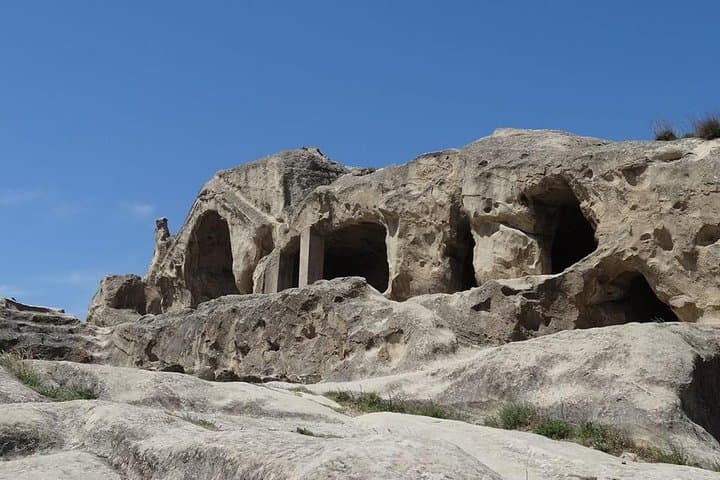


Morning light runs down the Mtkvari River as your driver eases out of Tbilisi and the first silhouette you meet is Jvari church, perched above a confluence where history and landscape collide. The road threads through low Caucasus foothills; by mid‑day you’re stepping into Uplistsikhe’s honeycombed rock streets where ancient doorways still watch the valley.
Morning light runs down the Mtkvari River as your driver eases out of Tbilisi and the first silhouette you meet is Jvari church, perched above a confluence where history and landscape collide. The road threads through low Caucasus foothills; by mid‑day you’re stepping into Uplistsikhe’s honeycombed rock streets where ancient doorways still watch the valley.
This route stitches together eras: Mtskheta, Georgia’s early Christian capital, holds Svetitskhoveli Cathedral and a medieval pulse; Gori carries a rougher edge — a 10th‑century fortress and the controversial history around Stalin’s birthplace; further south, Borjomi opens into mineral springs and pine forests shaped by volcanic geology and centuries of spa culture.
Geology shows in the steam of thermal pools and in the carved caverns of Uplistsikhe, culture appears in roadside stalls selling churchkhela and tannic local wines, and the forested slopes of Borjomi National Park push back the city’s heat with cooler, resinous air.
Practically: expect a long day of short walks—uneven rock, stone steps and forest paths—and multiple stops for photos, food and a mineral water tasting. Wear grippy shoes, pack layers (weather changes quickly in the foothills), and bring cash for small museum fees and market snacks. The tour is best for travelers with moderate fitness who want to pair archaeology with accessible nature; timing your visit for morning at Uplistsikhe and late afternoon in Borjomi makes the light and crowds work in your favor.