THE ADVENTURE COLLECTIVE® · Independent discovery and booking for outdoor travel

A full-day circuit from Tbilisi that pairs two UNESCO churches with a millennia-old cave city and the contested displays at Stalin’s Museum. Expect sculpted rock, riverside panoramas, and several short hikes on uneven ground.
A full-day circuit from Tbilisi that pairs two UNESCO churches with a millennia-old cave city and the contested displays at Stalin’s Museum. Expect sculpted rock, riverside panoramas, and several short hikes on uneven ground.
You step out of Tbilisi’s morning blur onto a road that climbs toward broad river bends and low limestone ridges. The first view is Jvari: a sixth-century monastery perched above the confluence of two rivers, its stone silhouette cutting the sky. The air tastes of dust and thyme; the rivers below dare you to follow their braided paths.
Verified experiences and guided adventures in the surrounding area.
Operated by Travel To Georgia · Mtskheta, Mtskheta-Mtianeti
You step out of Tbilisi’s morning blur onto a road that climbs toward broad river bends and low limestone ridges. The first view is Jvari: a sixth-century monastery perched above the confluence of two rivers, its stone silhouette cutting the sky. The air tastes of dust and thyme; the rivers below dare you to follow their braided paths.
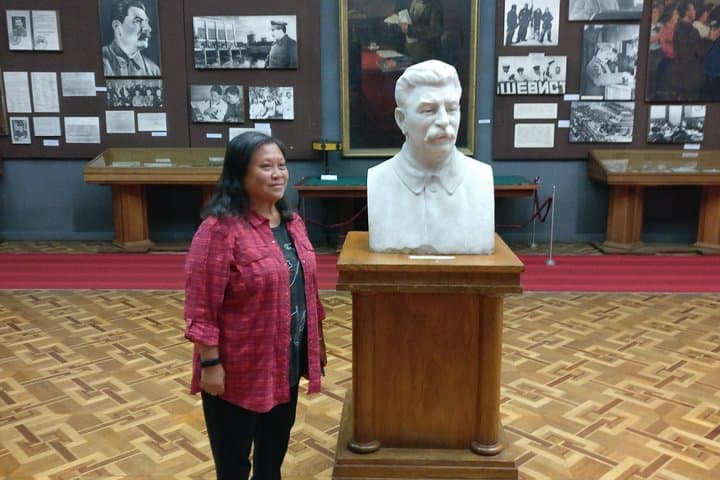
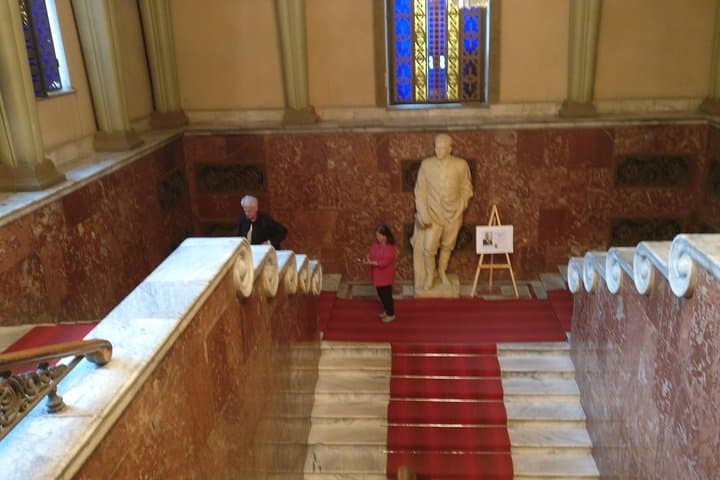
This route threads Georgia’s layered past. Mtskheta’s Svetitskhoveli Cathedral (11th century) keeps the country’s medieval religious heart and claims relics that drew pilgrims for centuries. Uplistsikhe, the rock-hewn city, reveals human habitation from the Bronze Age through medieval trade eras — carved rooms, wine cellars, and narrow passages hewn directly into sandstone. Gori’s fortress and the Stalin Museum juxtapose regional power across epochs: medieval kings and 20th-century dictators, both leaving heavy traces.
Geologically, the Mtkvari valley’s soft sedimentary rocks made cave cities possible and give the landscape a sculpted, terraced quality. Culturally, small towns along the route preserve bakery ovens, sutured churches, and slow market rhythms.
Practical edge: expect 8–10 hours on an air-conditioned vehicle with multiple short walks across uneven steps and rock surfaces. Wear grippy shoes, sun protection, and be ready for sudden wind on exposed hilltops. Bring cash for small purchases; photography is allowed at most sites but observe sacred interiors’ rules. If you have mobility limits, contact your provider about access — some sites require steep climbs. Timing matters: arrive early to Jvari or late afternoon at Uplistsikhe to avoid midday heat and crowds. This is a day of layered history and wide, honest views — active, readable, and firmly walkable.
moderate.
8–10 hours.
Moderate: able to handle multiple short walks, stairs, and uneven rock surfaces over a full day.
The tour runs about 8–10 hours (480–600 minutes) including transport and guided visits at each site.
Yes—this tour includes entrance tickets for Uplistsikhe and Stalin’s Museum as stated in the inclusions.
Not fully; several sites have steep or uneven steps and limited wheelchair access—contact the operator to discuss accommodations.
Most departures are from Tbilisi with private transport; exact pickup and drop-off points are arranged at booking.
Mtskheta was Georgia’s early political and religious center; Uplistsikhe’s rock-cut structures date back to the Bronze Age and later functioned as a key stop on east–west trade routes.
The soft sandstone of Uplistsikhe is vulnerable to erosion and visitor impact; follow marked paths and avoid climbing on fragile facades to help preserve the site.
Travel To Georgia operates guided outdoor trips and adventures with an emphasis on safety, stewardship, and memorable experiences.
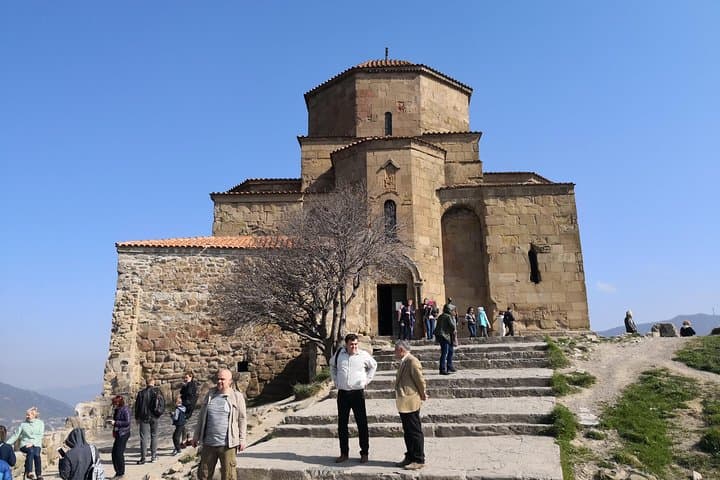
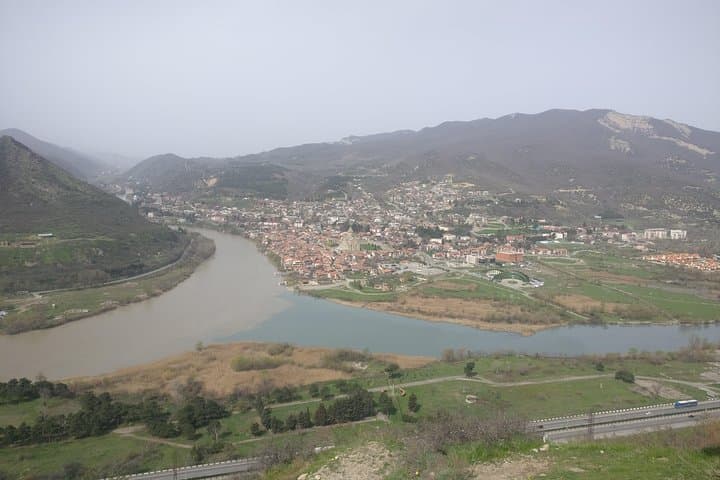
You step out of Tbilisi’s morning blur onto a road that climbs toward broad river bends and low limestone ridges. The first view is Jvari: a sixth-century monastery perched above the confluence of two rivers, its stone silhouette cutting the sky. The air tastes of dust and thyme; the rivers below dare you to follow their braided paths.
You step out of Tbilisi’s morning blur onto a road that climbs toward broad river bends and low limestone ridges. The first view is Jvari: a sixth-century monastery perched above the confluence of two rivers, its stone silhouette cutting the sky. The air tastes of dust and thyme; the rivers below dare you to follow their braided paths.
This route threads Georgia’s layered past. Mtskheta’s Svetitskhoveli Cathedral (11th century) keeps the country’s medieval religious heart and claims relics that drew pilgrims for centuries. Uplistsikhe, the rock-hewn city, reveals human habitation from the Bronze Age through medieval trade eras — carved rooms, wine cellars, and narrow passages hewn directly into sandstone. Gori’s fortress and the Stalin Museum juxtapose regional power across epochs: medieval kings and 20th-century dictators, both leaving heavy traces.
Geologically, the Mtkvari valley’s soft sedimentary rocks made cave cities possible and give the landscape a sculpted, terraced quality. Culturally, small towns along the route preserve bakery ovens, sutured churches, and slow market rhythms.
Practical edge: expect 8–10 hours on an air-conditioned vehicle with multiple short walks across uneven steps and rock surfaces. Wear grippy shoes, sun protection, and be ready for sudden wind on exposed hilltops. Bring cash for small purchases; photography is allowed at most sites but observe sacred interiors’ rules. If you have mobility limits, contact your provider about access — some sites require steep climbs. Timing matters: arrive early to Jvari or late afternoon at Uplistsikhe to avoid midday heat and crowds. This is a day of layered history and wide, honest views — active, readable, and firmly walkable.