THE ADVENTURE COLLECTIVE® · Independent discovery and booking for outdoor travel

A compact cultural loop from Tbilisi visits three UNESCO sites—Jvari, Svetitskhoveli and Samtavro—packed with early-Christian architecture and hilltop views. This half-day tour mixes short walks, historic interiors, and a taste of Georgian hospitality.
A compact cultural loop from Tbilisi visits three UNESCO sites—Jvari, Svetitskhoveli and Samtavro—packed with early-Christian architecture and hilltop views. This half-day tour mixes short walks, historic interiors, and a taste of Georgian hospitality.
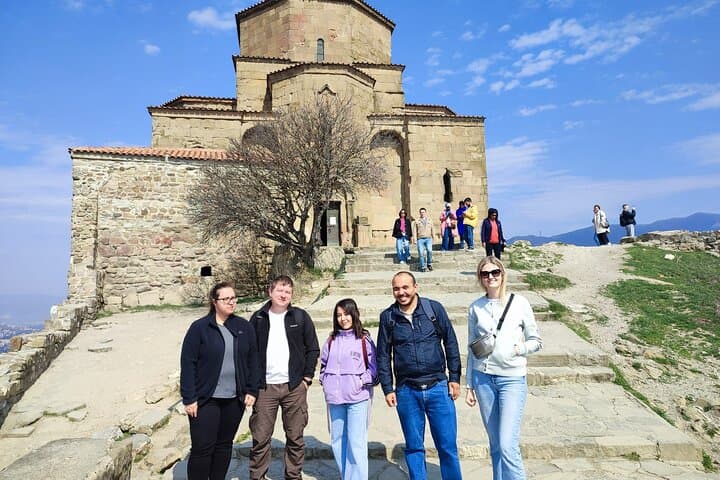
The morning air on the road from Tbilisi tastes of river stones and cedar smoke as the minivan eases into Mtskheta's pale-stone streets. From the parking area you can already see Jvari perched on its rocky promontory, a compact silhouette above where two rivers meet; the hill seems to guard the town and dare you to climb for the view.
Verified experiences and guided adventures in the surrounding area.
Operated by Imperial Tours · Mtskheta, Mtskheta-Mtianeti
The morning air on the road from Tbilisi tastes of river stones and cedar smoke as the minivan eases into Mtskheta's pale-stone streets. From the parking area you can already see Jvari perched on its rocky promontory, a compact silhouette above where two rivers meet; the hill seems to guard the town and dare you to climb for the view.
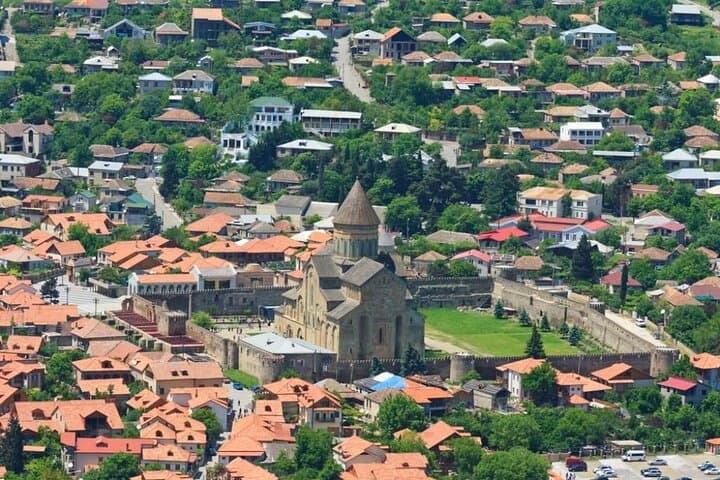
Mtskheta is one of Georgia's oldest towns and a hinge in the nation's story: its conversion to Christianity in the 4th century reshaped architecture and ritual. Jvari Church (6th century) is an early Christian cruciform structure; Svetitskhoveli Cathedral — largely 11th century — displays carved stonework and served as a royal and religious center, reputed to have housed the Robe of Christ. Samtavro Monastery adds monastic calm and royal tombs to the itinerary, each site reflecting layers of Georgian, Byzantine and Persian influences set on limestone terraces above the Kura and Aragvi rivers.
Expect cobbled courtyard steps, low-door naves, frescoed interiors and compact viewpoints rather than long hikes; geology here is folded sedimentary rock carved by rivers, producing tight overlooks and fertile terraces.
Practical guide: plan a half-day from Tbilisi (3–4 hours); wear sturdy shoes for uneven stone and short stair sections, bring sun protection and water, and respect religious dress codes (shoulders and knees covered). Midday can be hot and bright—aim for morning or late afternoon for softer light and cooler walking. Local vendors offer churchkhela and chacha; save time to walk the old town and the riverside confluence before returning to the city.
easy.
3–4 hours.
Suitable for most fitness levels; requires short walks and stair climbs on uneven surfaces
The tour runs about 3–4 hours including transport time—typically a morning or afternoon excursion from Tbilisi.
This particular group tour lists admissions included for the main sites; confirm at booking for the latest details.
Yes; the tour is rated easy with short walks, though there are stone steps and some uphill sections at viewpoints.
Photography is generally allowed in exterior and many interior spaces, but flash and tripods may be restricted to protect frescoes—follow on-site signage.
Mtskheta was Georgia’s early political and spiritual center; King Mirian III adopted Christianity here in the 4th century and Saint Nino’s legacy links the town to Georgia’s conversion.
The historic churches are sensitive to moisture and touch—stay on marked paths, avoid touching frescoes, and support local guides and small businesses to keep tourism sustainable.
Imperial Tours operates guided outdoor trips and adventures with an emphasis on safety, stewardship, and memorable experiences.


The morning air on the road from Tbilisi tastes of river stones and cedar smoke as the minivan eases into Mtskheta's pale-stone streets. From the parking area you can already see Jvari perched on its rocky promontory, a compact silhouette above where two rivers meet; the hill seems to guard the town and dare you to climb for the view.
The morning air on the road from Tbilisi tastes of river stones and cedar smoke as the minivan eases into Mtskheta's pale-stone streets. From the parking area you can already see Jvari perched on its rocky promontory, a compact silhouette above where two rivers meet; the hill seems to guard the town and dare you to climb for the view.
Mtskheta is one of Georgia's oldest towns and a hinge in the nation's story: its conversion to Christianity in the 4th century reshaped architecture and ritual. Jvari Church (6th century) is an early Christian cruciform structure; Svetitskhoveli Cathedral — largely 11th century — displays carved stonework and served as a royal and religious center, reputed to have housed the Robe of Christ. Samtavro Monastery adds monastic calm and royal tombs to the itinerary, each site reflecting layers of Georgian, Byzantine and Persian influences set on limestone terraces above the Kura and Aragvi rivers.
Expect cobbled courtyard steps, low-door naves, frescoed interiors and compact viewpoints rather than long hikes; geology here is folded sedimentary rock carved by rivers, producing tight overlooks and fertile terraces.
Practical guide: plan a half-day from Tbilisi (3–4 hours); wear sturdy shoes for uneven stone and short stair sections, bring sun protection and water, and respect religious dress codes (shoulders and knees covered). Midday can be hot and bright—aim for morning or late afternoon for softer light and cooler walking. Local vendors offer churchkhela and chacha; save time to walk the old town and the riverside confluence before returning to the city.