THE ADVENTURE COLLECTIVE® · Independent discovery and booking for outdoor travel

A compact half-day journey from Tbilisi to Georgia’s ancient capital: visit Jvari Monastery, Svetitskhoveli Cathedral and Samtavro while learning about early Georgian Christianity and enjoying dramatic river views.
A compact half-day journey from Tbilisi to Georgia’s ancient capital: visit Jvari Monastery, Svetitskhoveli Cathedral and Samtavro while learning about early Georgian Christianity and enjoying dramatic river views.
The road out of Tbilisi narrows and the city’s hum thins into river sound — the Kura flows like a ribbon pulling you toward Mtskheta. Arriving, visitors step onto stone streets where centuries of pilgrim footsteps have polished church thresholds; above, Jvari perches on the ridge, watching the confluence of the Aragvi and Kura with an almost deliberate patience.
Verified experiences and guided adventures in the surrounding area.
Operated by Zakaria Nadirashvili · Mtskheta, Mtskheta-Mtianeti
The road out of Tbilisi narrows and the city’s hum thins into river sound — the Kura flows like a ribbon pulling you toward Mtskheta. Arriving, visitors step onto stone streets where centuries of pilgrim footsteps have polished church thresholds; above, Jvari perches on the ridge, watching the confluence of the Aragvi and Kura with an almost deliberate patience.
Mtskheta was Georgia’s capital until the 5th century and a cradle of Georgian Christianity after the conversion of King Mirian in the 4th century. The town’s geology is simple: low limestone ridges and alluvial plains where rivers have carved terraces that made Mtskheta a natural meeting place. Svetitskhoveli Cathedral and Samtavro monastery illustrate medieval Georgian stonework — fortified churches, carved facades, and layered fresco fragments that hint at continuous worship and conflict.
Culturally, expect quiet reverence, vendors selling churchkhela and local bread, and guides pointing out relic legends and burial sites of early kings. Nature here is not passive: the Kura’s current shifts light across the cathedral’s stone, and the ridge winds dare you to walk the short path to the Jvari viewpoint.
Practicalities: this is a guided, shared half-day (about four hours total including transport from Tbilisi). Wear sturdy shoes for uneven flagstones and a light layer for hilltop wind. Bring water, modest clothing for churches (shoulders and knees covered), and a camera with a wide lens for river-confluence vistas. Timing mid-morning or late afternoon reduces crowds and brings softer light on the stone. The itinerary rewards a short, concentrated immersion — history, views, and local flavors packed into an efficient excursion.
easy.
4 hours.
Light fitness — short uphill walk to Jvari and moderate walking on cobbled streets
The scheduled duration is about four hours total, which includes round-trip transport and short visits to each site.
Standard listings indicate admission is not applicable; some museums or special interiors may charge separately—confirm with the operator.
Yes — the tour is rated easy and suitable for most fitness levels, though there are short uphill sections and some uneven steps.
Yes — there are local cafés and bakeries near the main square for quick lunches or traditional snacks; time on-site is typically limited.
Mtskheta served as the capital of the ancient Kingdom of Iberia and became a center of Georgian Christianity after the 4th-century conversion of King Mirian; Svetitskhoveli is among the country’s most sacred cathedrals.
High foot traffic stresses fragile masonry and frescoes; stick to marked paths, avoid touching carved surfaces, and support local conservation fees when offered.
Zakaria Nadirashvili operates guided outdoor trips and adventures with an emphasis on safety, stewardship, and memorable experiences.
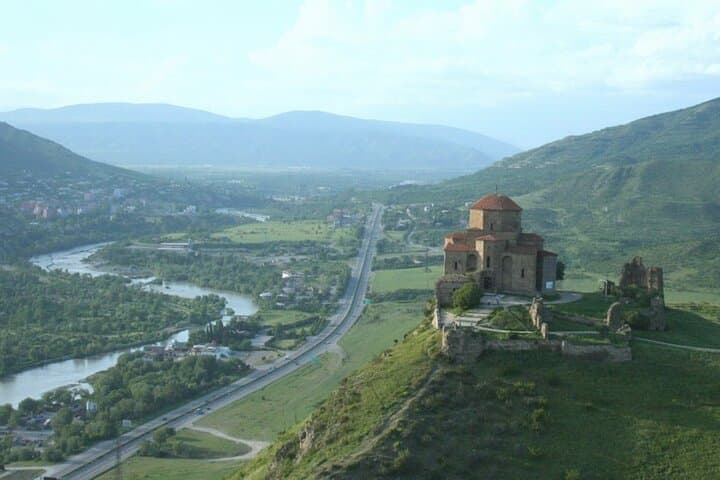
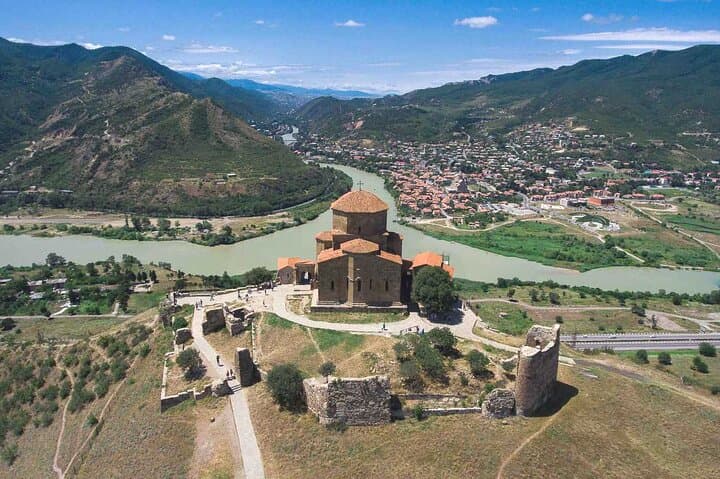
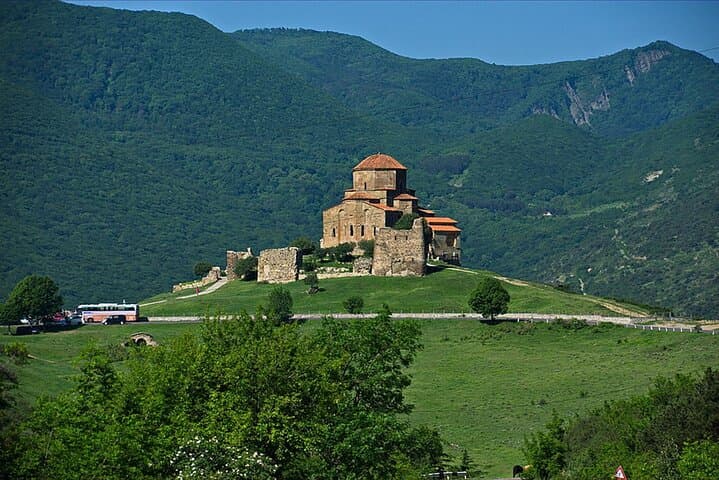
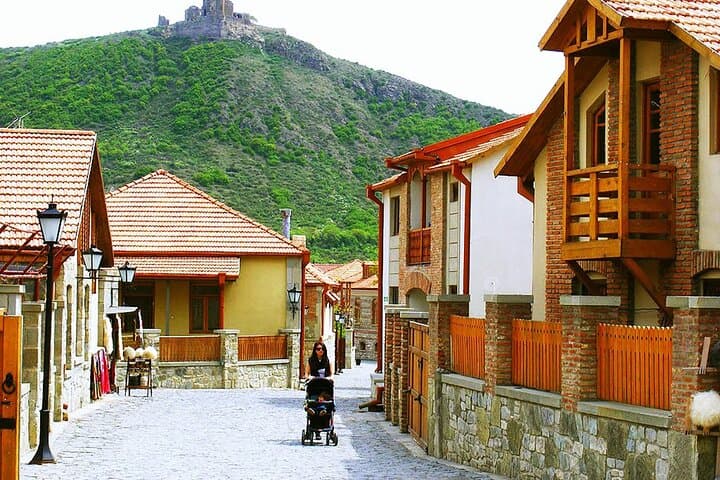
The road out of Tbilisi narrows and the city’s hum thins into river sound — the Kura flows like a ribbon pulling you toward Mtskheta. Arriving, visitors step onto stone streets where centuries of pilgrim footsteps have polished church thresholds; above, Jvari perches on the ridge, watching the confluence of the Aragvi and Kura with an almost deliberate patience.
The road out of Tbilisi narrows and the city’s hum thins into river sound — the Kura flows like a ribbon pulling you toward Mtskheta. Arriving, visitors step onto stone streets where centuries of pilgrim footsteps have polished church thresholds; above, Jvari perches on the ridge, watching the confluence of the Aragvi and Kura with an almost deliberate patience.
Mtskheta was Georgia’s capital until the 5th century and a cradle of Georgian Christianity after the conversion of King Mirian in the 4th century. The town’s geology is simple: low limestone ridges and alluvial plains where rivers have carved terraces that made Mtskheta a natural meeting place. Svetitskhoveli Cathedral and Samtavro monastery illustrate medieval Georgian stonework — fortified churches, carved facades, and layered fresco fragments that hint at continuous worship and conflict.
Culturally, expect quiet reverence, vendors selling churchkhela and local bread, and guides pointing out relic legends and burial sites of early kings. Nature here is not passive: the Kura’s current shifts light across the cathedral’s stone, and the ridge winds dare you to walk the short path to the Jvari viewpoint.
Practicalities: this is a guided, shared half-day (about four hours total including transport from Tbilisi). Wear sturdy shoes for uneven flagstones and a light layer for hilltop wind. Bring water, modest clothing for churches (shoulders and knees covered), and a camera with a wide lens for river-confluence vistas. Timing mid-morning or late afternoon reduces crowds and brings softer light on the stone. The itinerary rewards a short, concentrated immersion — history, views, and local flavors packed into an efficient excursion.