THE ADVENTURE COLLECTIVE® · Independent discovery and booking for outdoor travel

Pedal from the valley to the rim of Mount Vesuvius on an e-bike, then follow a short guided walk around the crater. Expect steep paved climbs, sweeping Bay of Naples views, and on-site National Park commentary about Vesuvius’ geology and history.
Pedal from the valley to the rim of Mount Vesuvius on an e-bike, then follow a short guided walk around the crater. Expect steep paved climbs, sweeping Bay of Naples views, and on-site National Park commentary about Vesuvius’ geology and history.
Book with Enjoy Bike Sorrento
Book directly with Enjoy Bike Sorrento for the best rates and real-time scheduling.
Reserve NowVerified experiences and guided adventures in the surrounding area.
Operated by Enjoy Bike Sorrento · Ercolano, Campania
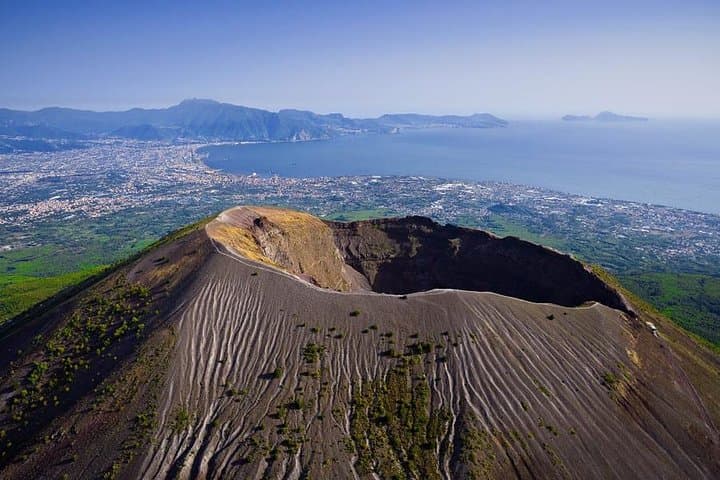
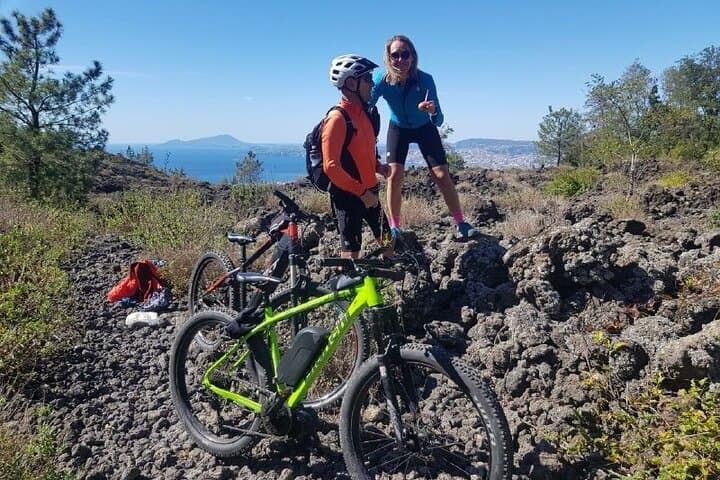
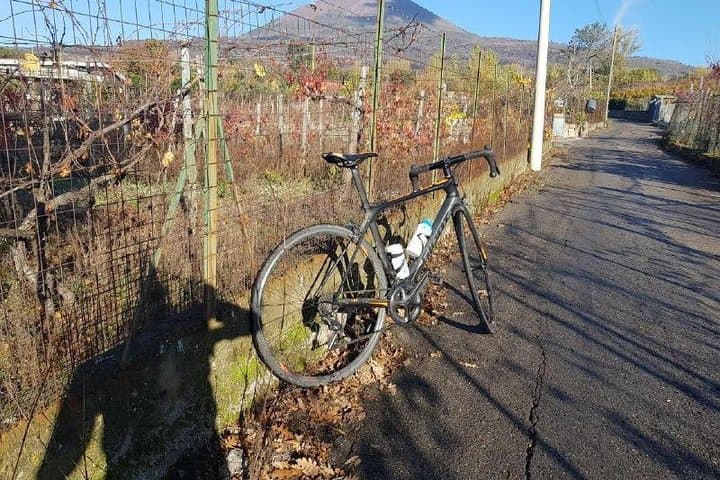
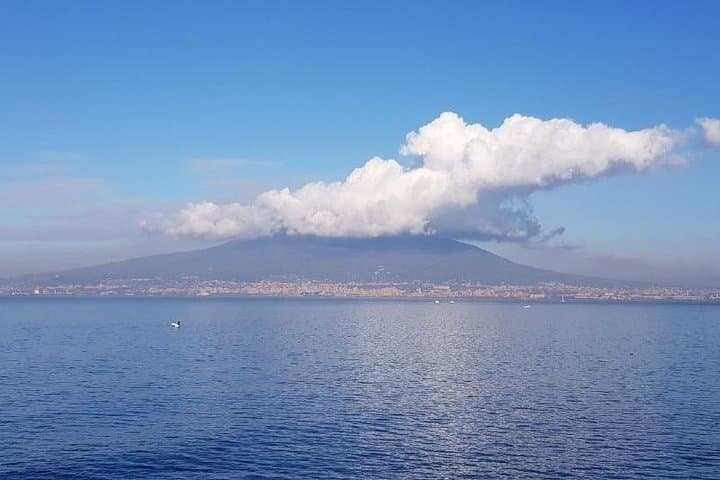
You start in the cool valley below Vesuvius, van windows framing terraces and olive groves, then swap the engine for an e-bike and begin the steady climb. Pine stands thin as you gain elevation, vines give way to scrub, and the road sweeps you toward a raw, wind-scoured rim. At the top the bikes are left behind and a short walk puts you on the crater’s lip—an exposed ring of hardened lava and ash with the Bay of Naples laid out like a tide below. Vesuvius is a young stratovolcano whose explosive history shaped local towns—most famously the AD 79 eruption that buried Pompeii and Herculaneum. The mountain’s geology is a textbook contrast: fertile, human-shaped lower slopes and a barren, jagged summit where repeated eruptions stripped soil away. Local culture still orbits the volcano—vineyards, orchards and folklore that treat Vesuvius as both provider and force to respect. Practical guidance: expect roughly 5 hours including transfers; the paved road is steep in places but e-bikes provide pedal assist. The final crater walk is uneven and exposed—bring layers, sun protection and sturdy shoes. Hydrate and plan for wind at the rim; guides from the National Park can answer geology and history questions but wear comfortable clothing for a mix of cycling and short hikes. This outing blends adrenaline from the climb with a field-guide look at volcanic terrain—accessible for travelers with moderate fitness and curiosity about how landscape, people and past eruptions meet on one of Europe’s most famous volcanoes.
moderate.
5 hours.
Moderate — you should be comfortable with sustained uphill pedaling and a 20–30 minute uneven rim walk
The route follows paved roads with sustained climbs; e-bikes provide pedal assist and make the ascent accessible for those with moderate fitness.
Access to the crater interior is restricted; the tour includes a guided walk around the crater rim and viewpoints rather than descending into the crater bowl.
Yes — the tour includes van transfers and typically picks up travelers from hotels in the Sorrento/Nearby area; confirm your pickup point when booking.
Yes — park guides often accompany or meet the group at the rim and can explain Vesuvius’ geology, flora and local history on request.
Vesuvius’ AD 79 eruption buried Pompeii and Herculaneum, and its frequent activity shaped settlement, agriculture and local lore on the Bay of Naples for millennia.
Vesuvius is a designated National Park; stay on marked roads and trails, avoid disturbing vegetation, and carry out all trash to protect fragile volcanic soils and endemic plants.
Enjoy Bike Sorrento operates guided outdoor trips and adventures with an emphasis on safety, stewardship, and memorable experiences.
Book with Enjoy Bike Sorrento
Book directly with Enjoy Bike Sorrento for the best rates and real-time scheduling.
Reserve Now