THE ADVENTURE COLLECTIVE® · Independent discovery and booking for outdoor travel

Ascend Mt. Usu in six minutes for sweeping views of Lake Toya, Showa‑Shinzan, and, on clear days, the Pacific. This ropeway-and-observatory visit pairs short summit trails with geological storytelling and easily accessible viewpoints.
Ascend Mt. Usu in six minutes for sweeping views of Lake Toya, Showa‑Shinzan, and, on clear days, the Pacific. This ropeway-and-observatory visit pairs short summit trails with geological storytelling and easily accessible viewpoints.
The ropeway pulls away from the base station and the world opens: a small cabin lifts you six minutes above black volcanic slopes, drawing Lake Toya into view like a deep, glassy bowl edged by mountains. Wind tugs at the doors; below, Showa-Shinzan stands like a younger sibling—fresh, bulbous, and visibly born of fire.
Verified experiences and guided adventures in the surrounding area.
Operated by TrevoTour Travels · Toyako, Hokkaido
The ropeway pulls away from the base station and the world opens: a small cabin lifts you six minutes above black volcanic slopes, drawing Lake Toya into view like a deep, glassy bowl edged by mountains. Wind tugs at the doors; below, Showa-Shinzan stands like a younger sibling—fresh, bulbous, and visibly born of fire.
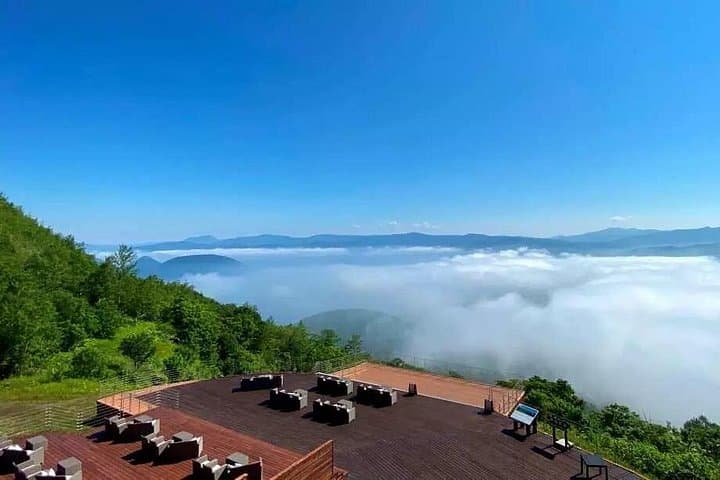
This short ascent lands you at observation platforms and a network of summit trails that run along the rim of Mount Usu, one of Hokkaido’s active volcanoes. Geologically recent eruptions carved the landscape; Showa-Shinzan itself emerged during the 1940s, and the area’s layered pumice and lava flows are as much a lesson in modern volcanism as they are a dramatic vista. Local culture leans into thermal history—nearby Toyako Onsen towns grew where geothermal energy meets hospitality, and you’ll see signs, small shrines, and interpretive panels explaining eruptions that reshaped farms and roads.
Practicalities are straightforward: the ropeway is a six-minute ride, summit trails are short but can be exposed, and visibility governs the magic—clear days deliver ocean views beyond the caldera. The site is wheelchair accessible and stroller-friendly, but operations close in severe weather. Bring layered outerwear, sun protection, and a camera or binoculars; dawn and dusk sharpen light across the caldera for photography. Expect to spend a couple of hours exploring the summit and observatory; if you’re coming from Sapporo, plan a full day to reach Toyako, ride, and return. Check ropeway hours and weather advisories before you go—this is volcanic country, and the views depend on the sky.
easy.
8–9 hours (includes travel time from regional centers; ropeway ride 6 minutes).
Suitable for all fitness levels—walking on summit trails involves short, often gravel or paved sections and some steps
The ropeway ascent takes approximately six minutes each way; plan additional time for viewing and short hikes at the summit.
Yes—stations and some observation areas are wheelchair and stroller accessible, though some trails include steps or uneven surfaces.
There are marked trails and viewpoints that get you close to Showa‑Shinzan; trail difficulty is generally easy to moderate, but check signage and closures related to volcanic activity.
Yes—service can close during severe weather or heightened volcanic alerts; always verify ropeway status and local advisories before visiting.
Mount Usu and the adjacent Showa‑Shinzan are products of 20th‑century eruptions; Showa‑Shinzan rose noticeably during eruptions in the 1940s, reshaping local communities and farmlands.
Trails and observation areas are managed to limit erosion and protect fragile volcanic soils; follow marked paths and pack out waste to reduce impact.
TrevoTour Travels operates guided outdoor trips and adventures with an emphasis on safety, stewardship, and memorable experiences.
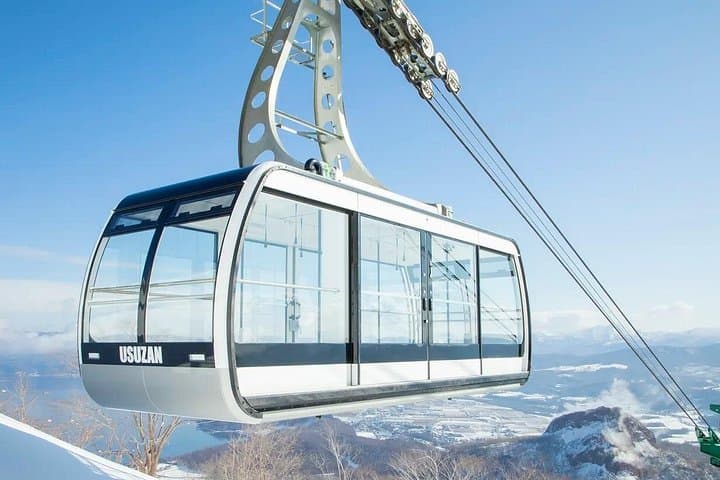
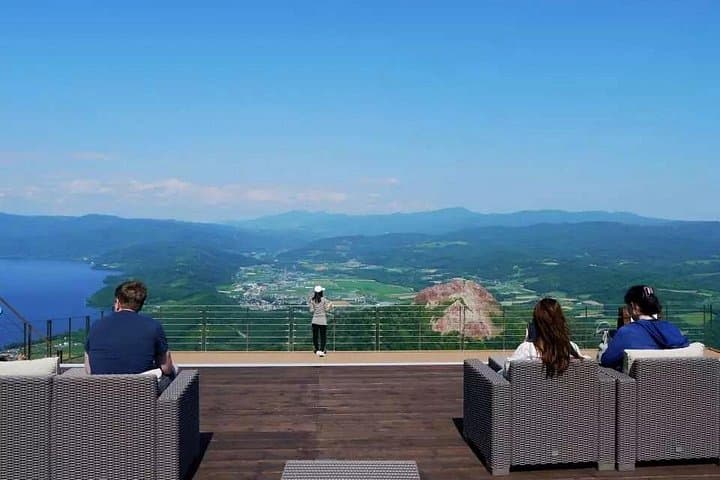
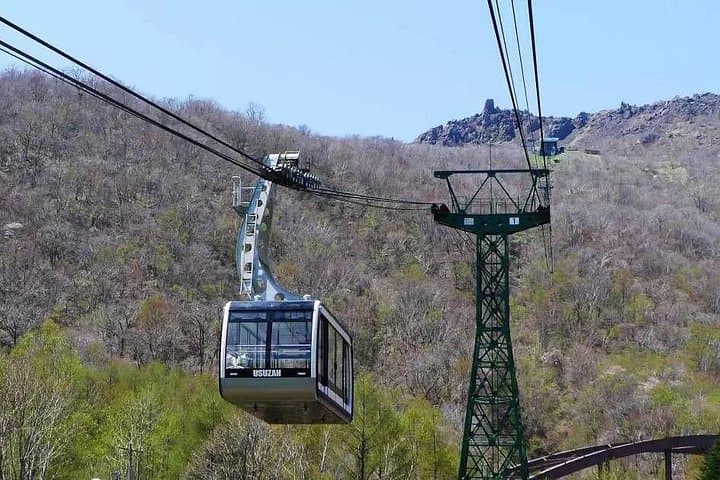
The ropeway pulls away from the base station and the world opens: a small cabin lifts you six minutes above black volcanic slopes, drawing Lake Toya into view like a deep, glassy bowl edged by mountains. Wind tugs at the doors; below, Showa-Shinzan stands like a younger sibling—fresh, bulbous, and visibly born of fire.
The ropeway pulls away from the base station and the world opens: a small cabin lifts you six minutes above black volcanic slopes, drawing Lake Toya into view like a deep, glassy bowl edged by mountains. Wind tugs at the doors; below, Showa-Shinzan stands like a younger sibling—fresh, bulbous, and visibly born of fire.
This short ascent lands you at observation platforms and a network of summit trails that run along the rim of Mount Usu, one of Hokkaido’s active volcanoes. Geologically recent eruptions carved the landscape; Showa-Shinzan itself emerged during the 1940s, and the area’s layered pumice and lava flows are as much a lesson in modern volcanism as they are a dramatic vista. Local culture leans into thermal history—nearby Toyako Onsen towns grew where geothermal energy meets hospitality, and you’ll see signs, small shrines, and interpretive panels explaining eruptions that reshaped farms and roads.
Practicalities are straightforward: the ropeway is a six-minute ride, summit trails are short but can be exposed, and visibility governs the magic—clear days deliver ocean views beyond the caldera. The site is wheelchair accessible and stroller-friendly, but operations close in severe weather. Bring layered outerwear, sun protection, and a camera or binoculars; dawn and dusk sharpen light across the caldera for photography. Expect to spend a couple of hours exploring the summit and observatory; if you’re coming from Sapporo, plan a full day to reach Toyako, ride, and return. Check ropeway hours and weather advisories before you go—this is volcanic country, and the views depend on the sky.