THE ADVENTURE COLLECTIVE® · Independent discovery and booking for outdoor travel

A compact, guided ascent of Mount Toubkal that turns classic High Atlas trekking into a focused 3-day push from Marrakech. Expect long days, steep passes, refuge nights, and a pre-dawn summit with wide, elemental views.
A compact, guided ascent of Mount Toubkal that turns classic High Atlas trekking into a focused 3-day push from Marrakech. Expect long days, steep passes, refuge nights, and a pre-dawn summit with wide, elemental views.
A cold headlamp cuts a path through the pre-dawn dark as the refuge hushes and the mountain waits. On day three the slope leans skyward into wind; every step is a conversation with the High Atlas. By mid-morning the summit opens: a broad, raw panorama where ridgelines push toward the Sahara and the wind seems to count your breaths.
Verified experiences and guided adventures in the surrounding area.
Operated by Trek in Atlas · Imlil, Marrakech-Safi
A cold headlamp cuts a path through the pre-dawn dark as the refuge hushes and the mountain waits. On day three the slope leans skyward into wind; every step is a conversation with the High Atlas. By mid-morning the summit opens: a broad, raw panorama where ridgelines push toward the Sahara and the wind seems to count your breaths.
Toubkal (4,167 m) is the tallest point in North Africa and a landmark of Berber life for centuries. The High Atlas is carved from ancient uplifted sediments and volcanic intrusions; trails thread juniper forests, gullied moraines, and hard-packed scree. Village terraces and mule tracks speak to a pastoral culture that still moves goods and people on pack animals between seasonal grazing grounds.
This express 3-day itinerary compresses classic acclimatization and summit strategy: drive Marrakech → Imlil, climb Tizi Mzik, overnight in Tamsoult, push via Aguelzim to Toubkal Refuge, then a pre-dawn summit bid and long descent back to Imlil. Expect steep, sustained gains (up to +1,200 m in a day), high-elevation exposure, and rocky, sometimes loose terrain.
Practical notes: travel light but bring a warm summit layer, headlamp, and waterproof shell. Hydrate often—altitude and dry mountain air both sap fluids. Use trekking poles for long descents to reduce knee strain and give extra purchase on scree. Guides and muleteers manage logistics; still, be ready for early mornings and a demanding pace. Weather shifts fast above 3,000 m—plan contingency time and respect the guide’s decisions for safety.
challenging.
2–3 days.
Good cardiovascular fitness and experience with sustained daily climbs; able to hike 5–8 hours on steep, rocky terrain.
Expect long, steep days with significant altitude gain; hikers should be comfortable with 6+ hours of sustained walking and have good cardiovascular fitness.
No technical climbing equipment is needed in normal summer conditions; crampons and ice axe may be required in winter or snowy conditions—check with your operator.
Yes, muleteers typically transport overnight bags and gear to the refuges—carry a daypack with summit essentials and valuables.
Late spring through early fall (May–October) offers the most stable conditions; winter ascents are possible but demand winter mountaineering skills and equipment.
The High Atlas is home to Amazigh (Berber) communities whose terraces, tracks, and seasonal migration shaped trail networks used by modern trekkers.
High-altitude vegetation and fragile soils recover slowly—stay on trails, avoid campfires, and respect local waste-management practices to limit impact.
Trek in Atlas operates guided outdoor trips and adventures with an emphasis on safety, stewardship, and memorable experiences.
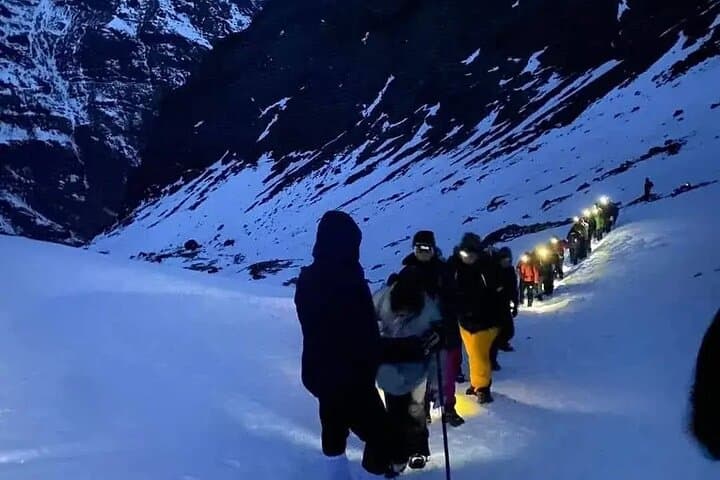
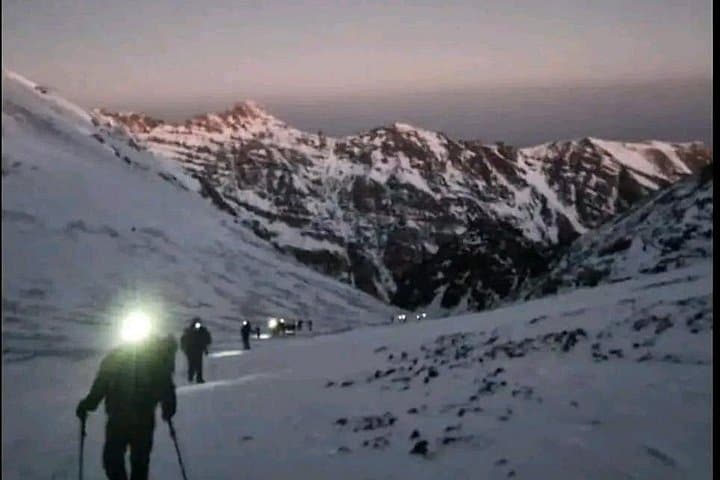
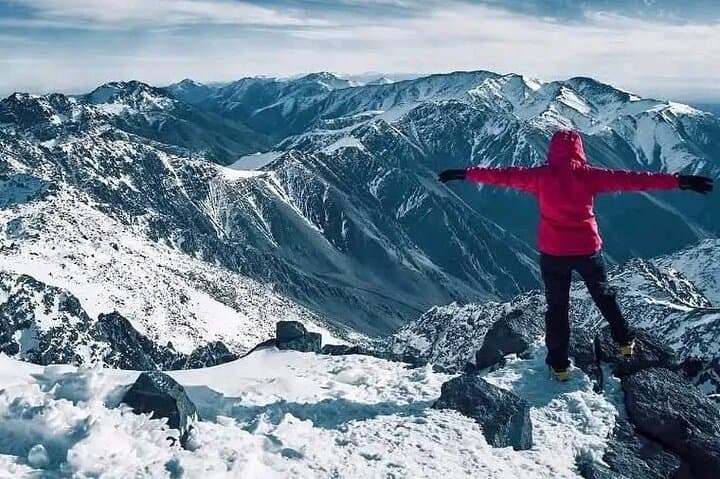
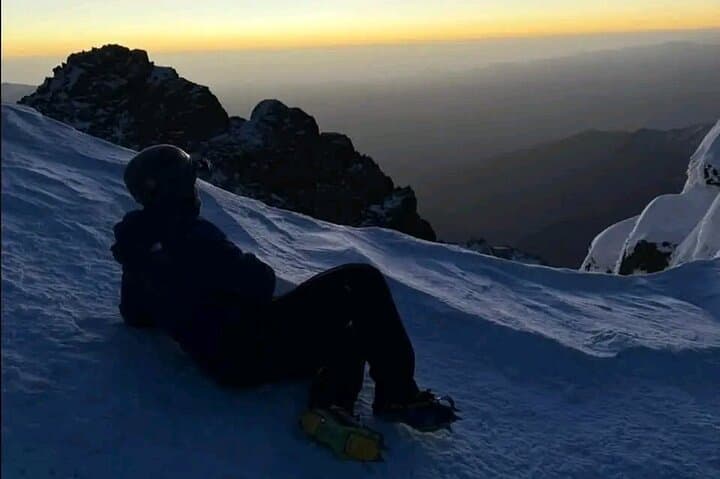
A cold headlamp cuts a path through the pre-dawn dark as the refuge hushes and the mountain waits. On day three the slope leans skyward into wind; every step is a conversation with the High Atlas. By mid-morning the summit opens: a broad, raw panorama where ridgelines push toward the Sahara and the wind seems to count your breaths.
A cold headlamp cuts a path through the pre-dawn dark as the refuge hushes and the mountain waits. On day three the slope leans skyward into wind; every step is a conversation with the High Atlas. By mid-morning the summit opens: a broad, raw panorama where ridgelines push toward the Sahara and the wind seems to count your breaths.
Toubkal (4,167 m) is the tallest point in North Africa and a landmark of Berber life for centuries. The High Atlas is carved from ancient uplifted sediments and volcanic intrusions; trails thread juniper forests, gullied moraines, and hard-packed scree. Village terraces and mule tracks speak to a pastoral culture that still moves goods and people on pack animals between seasonal grazing grounds.
This express 3-day itinerary compresses classic acclimatization and summit strategy: drive Marrakech → Imlil, climb Tizi Mzik, overnight in Tamsoult, push via Aguelzim to Toubkal Refuge, then a pre-dawn summit bid and long descent back to Imlil. Expect steep, sustained gains (up to +1,200 m in a day), high-elevation exposure, and rocky, sometimes loose terrain.
Practical notes: travel light but bring a warm summit layer, headlamp, and waterproof shell. Hydrate often—altitude and dry mountain air both sap fluids. Use trekking poles for long descents to reduce knee strain and give extra purchase on scree. Guides and muleteers manage logistics; still, be ready for early mornings and a demanding pace. Weather shifts fast above 3,000 m—plan contingency time and respect the guide’s decisions for safety.