THE ADVENTURE COLLECTIVE® · Independent discovery and booking for outdoor travel

A guided ascent to Mt Tarawera’s crater rim offers close-up geothermal scenery and panoramic views shaped by the dramatic 1886 eruption. Expect mixed volcanic terrain, cultural history shared by local guides, and an optional scree run into the crater.
A guided ascent to Mt Tarawera’s crater rim offers close-up geothermal scenery and panoramic views shaped by the dramatic 1886 eruption. Expect mixed volcanic terrain, cultural history shared by local guides, and an optional scree run into the crater.
A cool morning wind lifts volcanic dust across a bowl of steaming ground as your guide leads the group up toward Mt Tarawera’s crater rim. The route alternates between compacted volcanic ash, pumice slopes and stony track; scrub and low kanuka give way at the top to raw, exposed rock and a wide, raw panorama. From the rim you can feel the crater’s presence — the land seems to tilt and breathe, steam vents daring you to step closer while distant lakes mirror the sky.
Verified experiences and guided adventures in the surrounding area.
Operated by Kaitiaki Adventures Aotearoa · Rotorua, Bay of Plenty
A cool morning wind lifts volcanic dust across a bowl of steaming ground as your guide leads the group up toward Mt Tarawera’s crater rim. The route alternates between compacted volcanic ash, pumice slopes and stony track; scrub and low kanuka give way at the top to raw, exposed rock and a wide, raw panorama. From the rim you can feel the crater’s presence — the land seems to tilt and breathe, steam vents daring you to step closer while distant lakes mirror the sky.
History here is carved in fire. Tarawera’s 1886 eruption remade this landscape, burying the famous Pink and White Terraces and creating Waimangu — the world’s youngest geothermal valley. Geology is visible and immediate: basalt flows, ash layers and fumaroles map the mountain’s violent past. Local iwi (Māori tribes) retain strong cultural connections to the area; a knowledgeable guide will share stories about the eruption’s human impact and the sacred sites nearby.
Practically, expect a steady climb with short steep pitches and loose scree sections; an optional scree run into the crater gives a playful, fast descent for those comfortable on loose rock. The guided format includes hotel pickup in Rotorua and a 4WD approach that reduces the overall uphill distance but not the effort. Bring layered clothing, sun protection and at least 1–2 liters of water. Weather turns quickly at elevation — plan for wind and cooler temperatures even in summer. The route is best attempted on a clear day for the full 360° views and safe footing.
moderate.
4–5 hours.
Moderate fitness: able to handle sustained uphill walking, short steep pitches and loose rock sections.
The guided walk is classed moderate — there are steady climbs and loose sections, but no technical climbing; guides pace groups and offer an optional scree run for confident walkers.
Yes, the tour includes free hotel/motel pickup from central Rotorua locations as listed at booking.
The experience suits a wide age range, but children should be confident walkers on uneven terrain; check with the operator if you have young or inexperienced participants.
Mount Tarawera is a volcanic site with geothermal activity; the route avoids unstable areas and guides monitor conditions — tours may be cancelled in unsafe weather or elevated geothermal risk.
Tarawera’s 1886 eruption reshaped the region, destroying the Pink and White Terraces and creating the Waimangu geothermal valley; the event had major cultural and human impacts on local Māori communities.
Stay on marked trails and avoid disturbing geothermal features — fragile crust and microbial mats are easily damaged and slow to recover.
Kaitiaki Adventures Aotearoa operates guided outdoor trips and adventures with an emphasis on safety, stewardship, and memorable experiences.
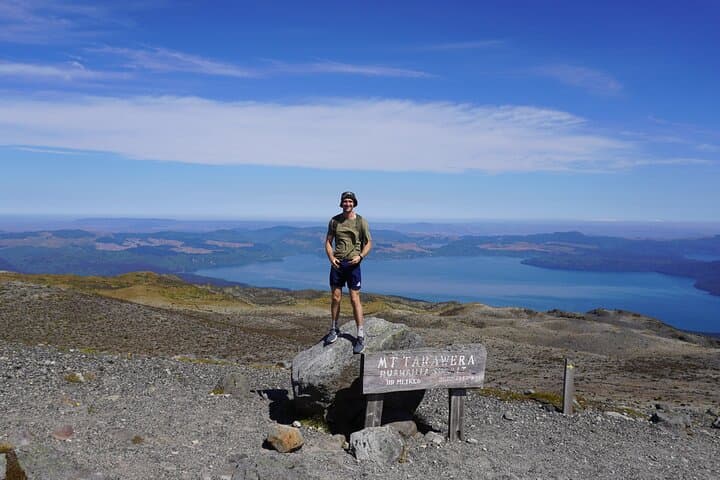
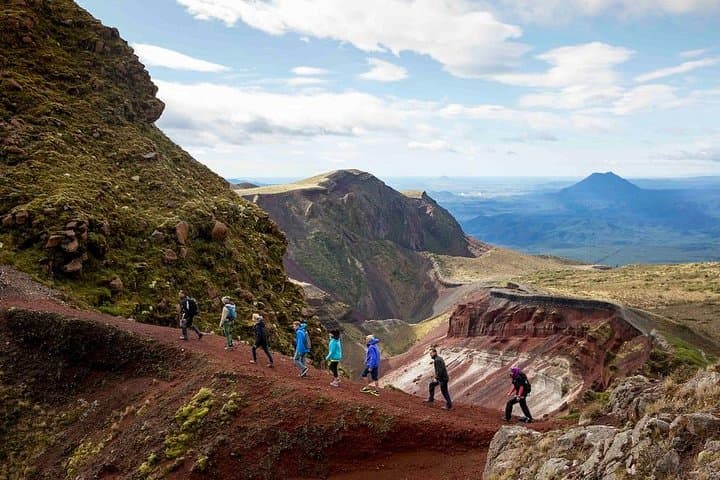
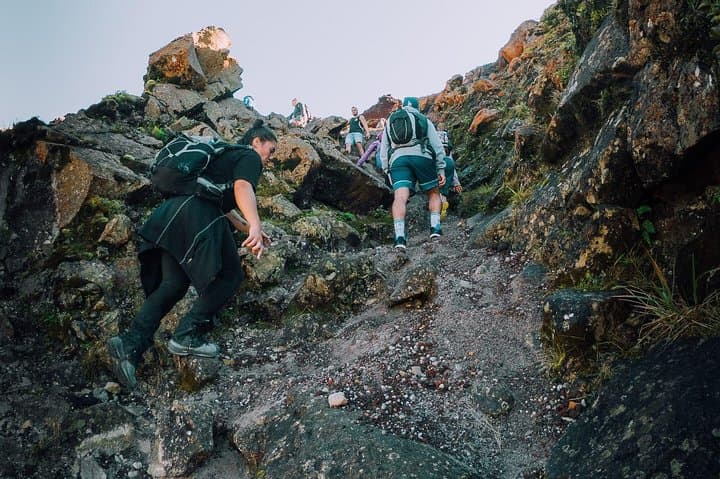
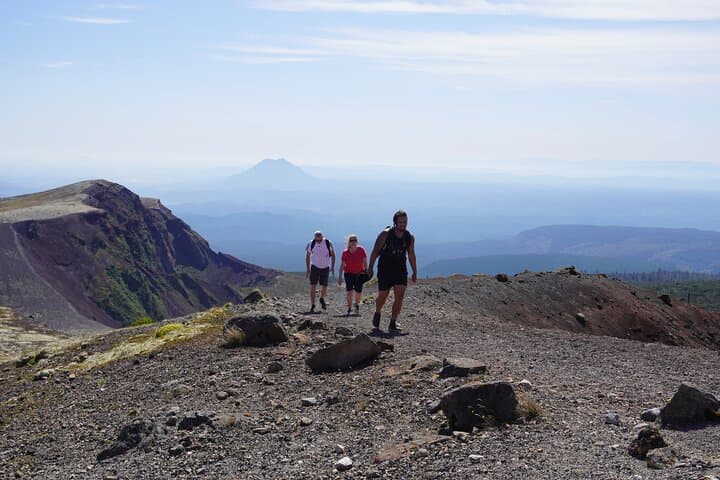
A cool morning wind lifts volcanic dust across a bowl of steaming ground as your guide leads the group up toward Mt Tarawera’s crater rim. The route alternates between compacted volcanic ash, pumice slopes and stony track; scrub and low kanuka give way at the top to raw, exposed rock and a wide, raw panorama. From the rim you can feel the crater’s presence — the land seems to tilt and breathe, steam vents daring you to step closer while distant lakes mirror the sky.
A cool morning wind lifts volcanic dust across a bowl of steaming ground as your guide leads the group up toward Mt Tarawera’s crater rim. The route alternates between compacted volcanic ash, pumice slopes and stony track; scrub and low kanuka give way at the top to raw, exposed rock and a wide, raw panorama. From the rim you can feel the crater’s presence — the land seems to tilt and breathe, steam vents daring you to step closer while distant lakes mirror the sky.
History here is carved in fire. Tarawera’s 1886 eruption remade this landscape, burying the famous Pink and White Terraces and creating Waimangu — the world’s youngest geothermal valley. Geology is visible and immediate: basalt flows, ash layers and fumaroles map the mountain’s violent past. Local iwi (Māori tribes) retain strong cultural connections to the area; a knowledgeable guide will share stories about the eruption’s human impact and the sacred sites nearby.
Practically, expect a steady climb with short steep pitches and loose scree sections; an optional scree run into the crater gives a playful, fast descent for those comfortable on loose rock. The guided format includes hotel pickup in Rotorua and a 4WD approach that reduces the overall uphill distance but not the effort. Bring layered clothing, sun protection and at least 1–2 liters of water. Weather turns quickly at elevation — plan for wind and cooler temperatures even in summer. The route is best attempted on a clear day for the full 360° views and safe footing.