THE ADVENTURE COLLECTIVE® · Independent discovery and booking for outdoor travel

A guided day hike on Mt. Takao combines shrine visits, ridge and riverside trails, and reachable summit views of Mt. Fuji on clear days. Learn natural history, temple etiquette and practical trail skills on a 4–6 hour tour.
A guided day hike on Mt. Takao combines shrine visits, ridge and riverside trails, and reachable summit views of Mt. Fuji on clear days. Learn natural history, temple etiquette and practical trail skills on a 4–6 hour tour.
You step off the train at Takaosanguchi and the city’s edge peels away into layered cedar and beech. The trail rises immediately, chatter giving way to birdsong and the scent of damp leaves; river routes cool the air while ridge tracks open toward distant skyline frames. A licensed guide sets the pace, pointing out medicinal plants and explaining the rituals at Yakuoin before the route crests and Mt. Fuji sometimes appears, blue and distant.
Verified experiences and guided adventures in the surrounding area.
Operated by Japan Funtour · Hachioji, Tokyo
You step off the train at Takaosanguchi and the city’s edge peels away into layered cedar and beech. The trail rises immediately, chatter giving way to birdsong and the scent of damp leaves; river routes cool the air while ridge tracks open toward distant skyline frames. A licensed guide sets the pace, pointing out medicinal plants and explaining the rituals at Yakuoin before the route crests and Mt. Fuji sometimes appears, blue and distant.
Mt. Takao has been a spiritual waypoint since the 7th century when Yakuoin temple established the mountain as a place for ascetic practice; its forests sit on volcanic deposits and ancient sediment, creating steep ravines and mellow ridgelines that drain into the Tama watershed. Locals treat the mountain as both a nature reserve and cultural landscape: small tea stalls, shrine practices and seasonal festivals thread the hike with human history.
Expect 4–6 hours of walking on well-marked trails of compacted earth, stone steps and occasional roots. Elevation gain is moderate (about 500–600 m from trailhead to summit), with options to shorten the climb via cable car. The guide will cover shrine etiquette, local flora and simple safety points.
Practical tips: start early to avoid weekend crowds, carry water and layered clothing for sudden weather shifts, and bring small change for shrine offerings or snacks. Stay on paths to protect understory plants and respect quiet zones around Yakuoin. With basic fitness and proper footwear, this guided day hike delivers cultural context, reachable summit views and a clear sense of why this is Tokyo’s most accessible spiritual mountain.
moderate.
4–6 hours.
Suitable for people with regular walking fitness; able to handle steady climbs and stairs for several hours.
Guided tours run about 4–6 hours with roughly 500–600 meters of elevation gain from the main trailhead to the summit, depending on route and stops.
Yes—there’s a cable car and chair lift that shorten the ascent; many tours combine walking and a cable option for mixed ability groups.
Licensed guides on this tour provide explanations in English and can cover temple etiquette, flora and local history—confirm language when booking.
Many trails are family-friendly but include steps and steep sections; the cable car makes access easier for those who prefer less climbing.
Yakuoin temple, founded in the 7th century, marked Mt. Takao as a site of mountain worship and pilgrimage for over a millennium.
Trails are managed to protect native forest and understory; staying on designated paths and packing out waste helps preserve the mountain’s cultural and ecological values.
Japan Funtour operates guided outdoor trips and adventures with an emphasis on safety, stewardship, and memorable experiences.
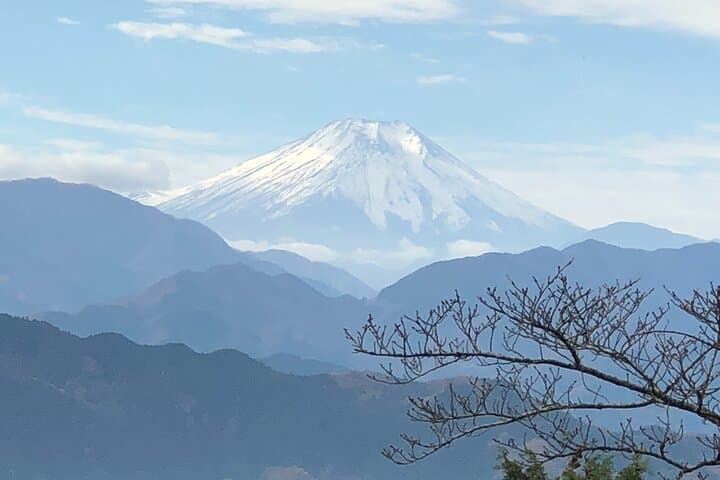
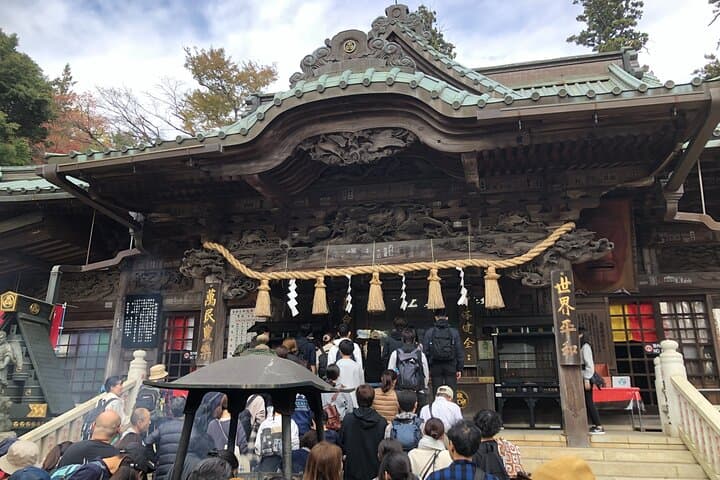
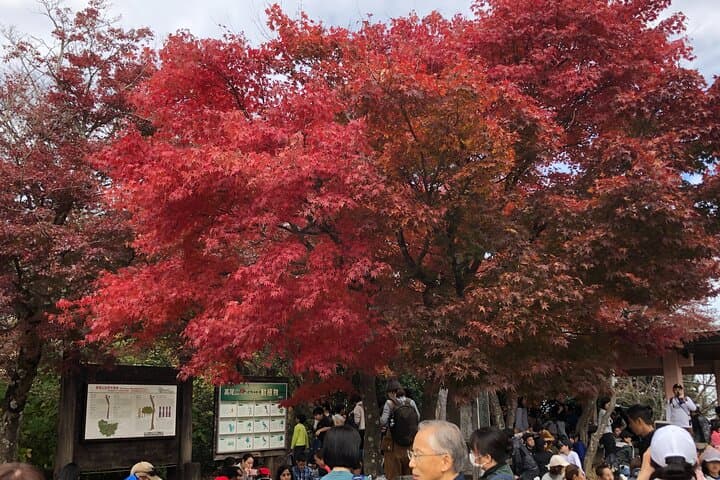
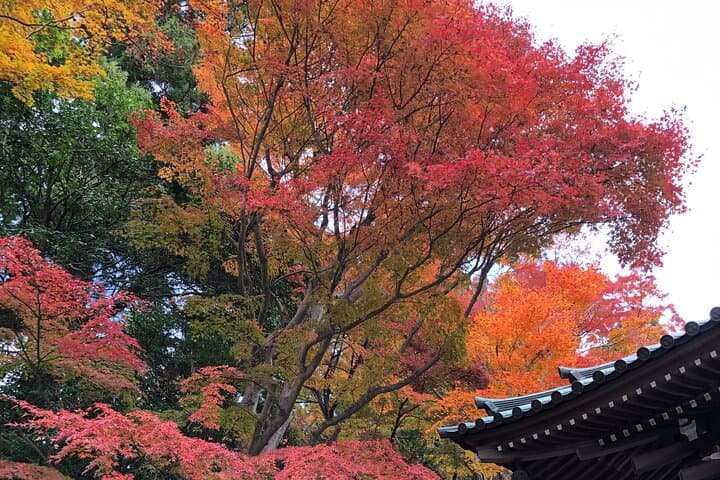
You step off the train at Takaosanguchi and the city’s edge peels away into layered cedar and beech. The trail rises immediately, chatter giving way to birdsong and the scent of damp leaves; river routes cool the air while ridge tracks open toward distant skyline frames. A licensed guide sets the pace, pointing out medicinal plants and explaining the rituals at Yakuoin before the route crests and Mt. Fuji sometimes appears, blue and distant.
You step off the train at Takaosanguchi and the city’s edge peels away into layered cedar and beech. The trail rises immediately, chatter giving way to birdsong and the scent of damp leaves; river routes cool the air while ridge tracks open toward distant skyline frames. A licensed guide sets the pace, pointing out medicinal plants and explaining the rituals at Yakuoin before the route crests and Mt. Fuji sometimes appears, blue and distant.
Mt. Takao has been a spiritual waypoint since the 7th century when Yakuoin temple established the mountain as a place for ascetic practice; its forests sit on volcanic deposits and ancient sediment, creating steep ravines and mellow ridgelines that drain into the Tama watershed. Locals treat the mountain as both a nature reserve and cultural landscape: small tea stalls, shrine practices and seasonal festivals thread the hike with human history.
Expect 4–6 hours of walking on well-marked trails of compacted earth, stone steps and occasional roots. Elevation gain is moderate (about 500–600 m from trailhead to summit), with options to shorten the climb via cable car. The guide will cover shrine etiquette, local flora and simple safety points.
Practical tips: start early to avoid weekend crowds, carry water and layered clothing for sudden weather shifts, and bring small change for shrine offerings or snacks. Stay on paths to protect understory plants and respect quiet zones around Yakuoin. With basic fitness and proper footwear, this guided day hike delivers cultural context, reachable summit views and a clear sense of why this is Tokyo’s most accessible spiritual mountain.