THE ADVENTURE COLLECTIVE® · Independent discovery and booking for outdoor travel

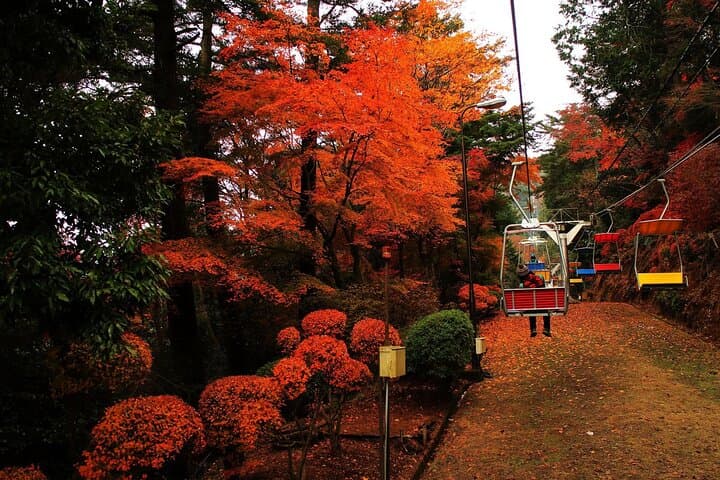
Escape Tokyo for a full-day walk up Mt. Takao: cedar trails, pilgrimage shrines, a choice of cable car or chair lift, Hachioji ramen for lunch and a tattoo-friendly hot spring to finish. Practical morning-to-evening planning and what to expect on trail.
Escape Tokyo for a full-day walk up Mt. Takao: cedar trails, pilgrimage shrines, a choice of cable car or chair lift, Hachioji ramen for lunch and a tattoo-friendly hot spring to finish. Practical morning-to-evening planning and what to expect on trail.
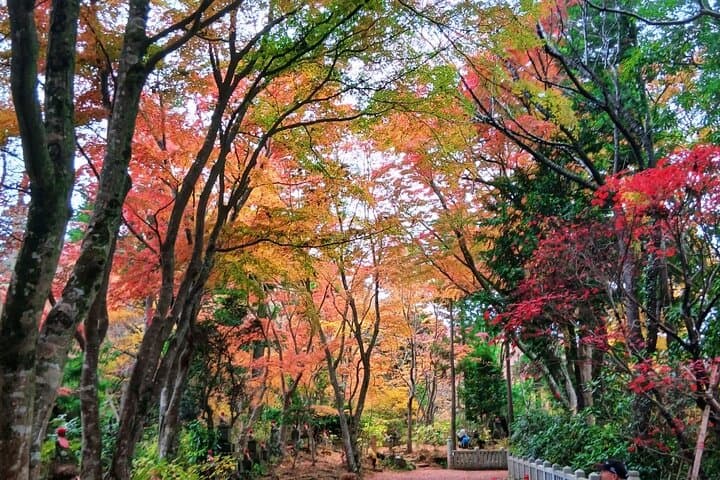
You step off the train at Takaosanguchi and the air immediately cools—pine and damp earth push back against Tokyo's city heat. The guide meets you by the ticket gates and, like a familiar friend, points the way toward the cable car that climbs into a green corridor. From halfway up, city rooftops fade and the mountain tightens into cedar groves, stone lanterns, and the approach to Yakuo-in Temple.
Verified experiences and guided adventures in the surrounding area.
Operated by Irie Tokyo Tours · Hachioji, Tokyo
You step off the train at Takaosanguchi and the air immediately cools—pine and damp earth push back against Tokyo's city heat. The guide meets you by the ticket gates and, like a familiar friend, points the way toward the cable car that climbs into a green corridor. From halfway up, city rooftops fade and the mountain tightens into cedar groves, stone lanterns, and the approach to Yakuo-in Temple.
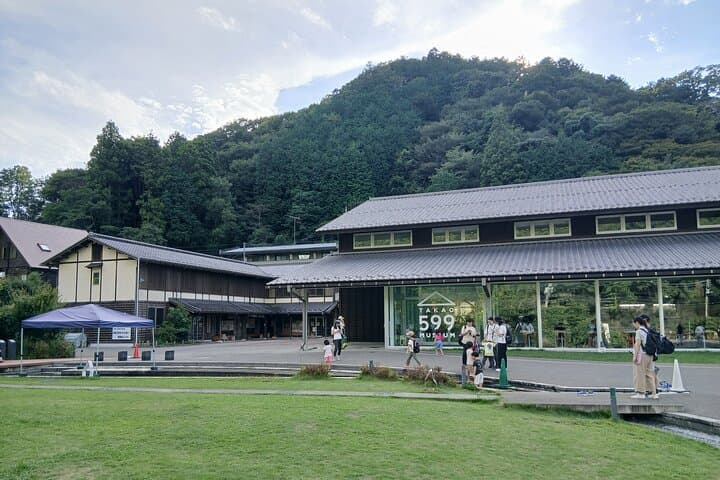
Mt. Takao (Takaosan) rises to about 599 m on the western edge of Tokyo and has been a pilgrimage site for over a millennium; Yakuo-in dates back to the 8th century and still shapes the mountain's rituals and markers. Geologically the hill is part of the Okutama range—rounded slopes, resistant sandstone and volcanic deposits—so trails are well-worn and generally forgiving. Along popular Routes 1 and 6 you'll pass notable trees like the so-called Octopus Cedar, a small monkey park and a suspension bridge that punctuates the descent.
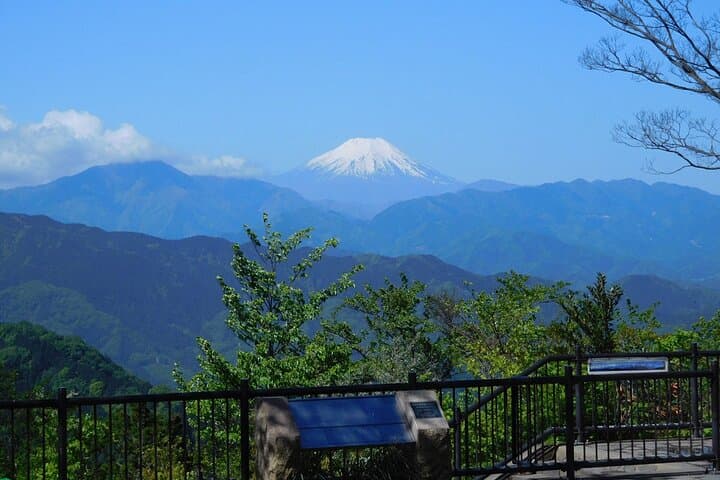
Culturally, the mountain mixes daily worship, weekend hikers, and local food stalls serving Hachioji ramen and soba; your lunch choice reflects a regional palate. On clear days the summit rewards with a framed view of Mt. Fuji; otherwise the canopy and temple architecture are the highlight.
Practical guidance: plan a 7–8 hour day if you include a relaxed lunch, the cable car or chair lift ride, and a tattoo-friendly onsen after the hike. Wear supportive shoes for roots and stone steps, bring 1–2 liters of water, and arrive early to avoid midday crowds. Trains from Shinjuku take about 50 minutes; guides often finish near JR Hachioji Station. Respect temple etiquette—quiet zones and photography limits—and keep to marked trails to limit erosion.
easy.
7–8 hours.
Suitable for most fitness levels; expect uneven stone steps and short steep pitches that require steady footing.
Yes—this tour visits a facility that accepts visible tattoos; the guide will lead to an onsen that explicitly allows them.
The main trail is well-maintained with some steep sections and stone steps; most visitors find it easy to moderate and manageable in proper footwear.
Tickets are available at the base station; during peak seasons queues form, so arriving early helps—your tour typically covers ride fees.
On clear days you can see Mount Fuji to the west; often the forest canopy and temple architecture are the most memorable sights.
Yakuo-in Temple on Mt. Takao traces its origins to the 8th century and the mountain has long been a center for mountain faith and Shugendo practices.
Stick to designated trails, avoid feeding wildlife, and follow 'pack in, pack out' principles—high foot traffic can accelerate erosion on popular routes.
Irie Tokyo Tours operates guided outdoor trips and adventures with an emphasis on safety, stewardship, and memorable experiences.
You step off the train at Takaosanguchi and the air immediately cools—pine and damp earth push back against Tokyo's city heat. The guide meets you by the ticket gates and, like a familiar friend, points the way toward the cable car that climbs into a green corridor. From halfway up, city rooftops fade and the mountain tightens into cedar groves, stone lanterns, and the approach to Yakuo-in Temple.
You step off the train at Takaosanguchi and the air immediately cools—pine and damp earth push back against Tokyo's city heat. The guide meets you by the ticket gates and, like a familiar friend, points the way toward the cable car that climbs into a green corridor. From halfway up, city rooftops fade and the mountain tightens into cedar groves, stone lanterns, and the approach to Yakuo-in Temple.
Mt. Takao (Takaosan) rises to about 599 m on the western edge of Tokyo and has been a pilgrimage site for over a millennium; Yakuo-in dates back to the 8th century and still shapes the mountain's rituals and markers. Geologically the hill is part of the Okutama range—rounded slopes, resistant sandstone and volcanic deposits—so trails are well-worn and generally forgiving. Along popular Routes 1 and 6 you'll pass notable trees like the so-called Octopus Cedar, a small monkey park and a suspension bridge that punctuates the descent.
Culturally, the mountain mixes daily worship, weekend hikers, and local food stalls serving Hachioji ramen and soba; your lunch choice reflects a regional palate. On clear days the summit rewards with a framed view of Mt. Fuji; otherwise the canopy and temple architecture are the highlight.
Practical guidance: plan a 7–8 hour day if you include a relaxed lunch, the cable car or chair lift ride, and a tattoo-friendly onsen after the hike. Wear supportive shoes for roots and stone steps, bring 1–2 liters of water, and arrive early to avoid midday crowds. Trains from Shinjuku take about 50 minutes; guides often finish near JR Hachioji Station. Respect temple etiquette—quiet zones and photography limits—and keep to marked trails to limit erosion.