THE ADVENTURE COLLECTIVE® · Independent discovery and booking for outdoor travel

Learn the rhythm of winter on a guided snowshoe tour at Mt. Shasta. This beginner-friendly outing combines accessible terrain, geological insights, and practical instruction for 2–3 hours on snow.
Learn the rhythm of winter on a guided snowshoe tour at Mt. Shasta. This beginner-friendly outing combines accessible terrain, geological insights, and practical instruction for 2–3 hours on snow.
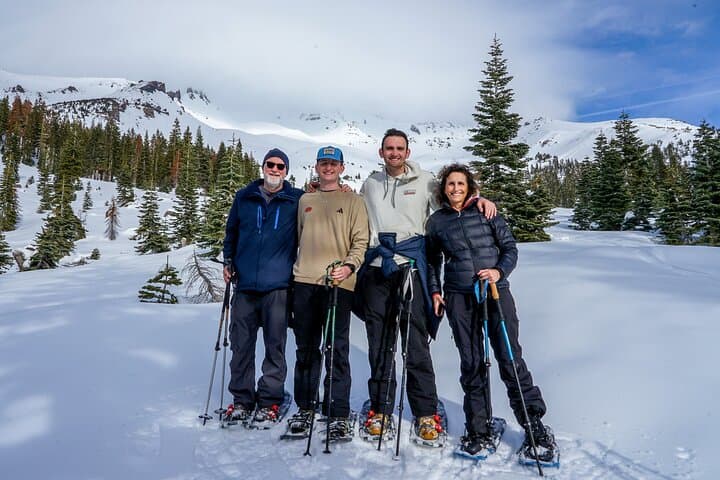
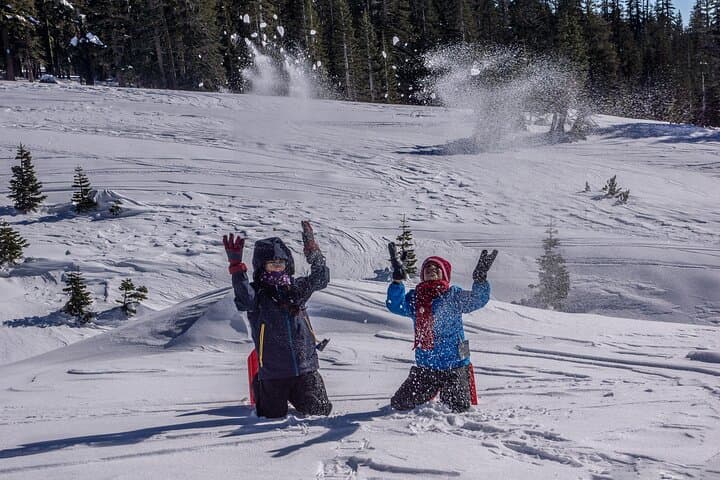
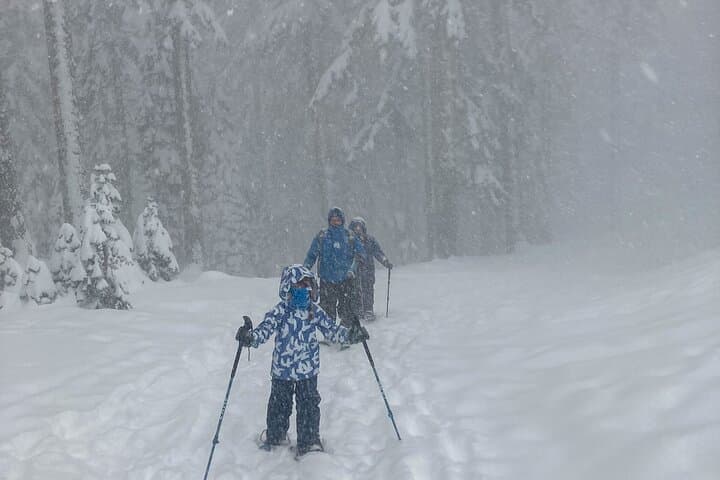
A cold wind threads the pines as the party gathers in the Berryvale Market parking lot, breath steaming against the windshield of a white Honda CRV marked with the guide’s logo. Over the next two and a half hours the group will step into a winter landscape where the mountain itself looms gray and white, its lower slopes quilted in fir and lodgepole, its higher ridgelines etched by old lava flows.
Verified experiences and guided adventures in the surrounding area.
Operated by Mt Shasta Fun Guide/Robin Kohn · Mount Shasta, California
A cold wind threads the pines as the party gathers in the Berryvale Market parking lot, breath steaming against the windshield of a white Honda CRV marked with the guide’s logo. Over the next two and a half hours the group will step into a winter landscape where the mountain itself looms gray and white, its lower slopes quilted in fir and lodgepole, its higher ridgelines etched by old lava flows.
Mt. Shasta is an ice-capped stratovolcano in the southern Cascades with a deep cultural history — it’s been a landmark for local Native tribes for millennia and a destination for climbers and pilgrims since Euro-American explorers arrived. Geologically, the peak is young and active compared with the surrounding range; its basalt and andesite flows shape the sweeping bowls and meadows you’ll traverse. Guides often point out evidence of past glaciation and talk about how heavy winter snowpack changes local hydrology and wildlife behavior.
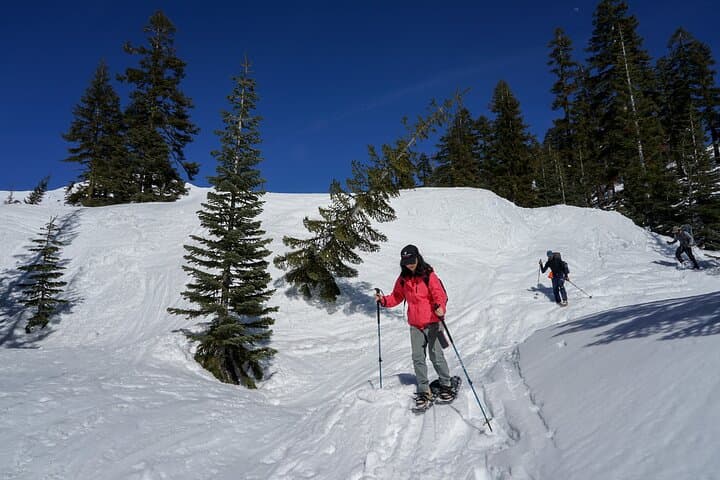
Practical guidance follows close behind the panoramic views. Tours supply snowshoes and poles, but participants should bring winter boots, layered clothing, eye protection, and a small daypack. Expect easy-to-moderate terrain with modest elevation changes and packed-snow trails; the route is suitable for first-timers who can walk for 2–3 hours. Hydrate before and during the tour, protect exposed skin from sun and wind, and listen to the guide on spacing and pace — winter trails demand steady, respectful movement.
Leave No Trace practices are emphasized: pack out what you pack in, avoid cutting switchbacks, and be mindful of wildlife. By the end, the mountain’s silence — only boots and poles puncturing the snow — is as instructive as any lecture.
moderate.
2–3 hours.
Suitable for people in average physical condition who can walk on uneven snow for several miles at a slow-to-moderate pace.
Meet on the south side of the Berryvale Market parking lot in Mount Shasta; the guide will be in a white Honda CRV with company magnets.
Yes — guided tours include snowshoe and pole rental as part of the tour price.
Yes — terrain is described as easy to moderate and guides will teach basic snowshoe techniques during the outing.
Tours may be canceled for bad weather; for a full refund, cancel at least 24 hours before the scheduled departure time per the operator’s standard policy.
Mt. Shasta is a young stratovolcano in the Cascade Range and has long cultural significance for regional Native American tribes; it became a focal point for mountaineers in the late 19th century.
Winter recreation concentrates use on popular approaches; practice Leave No Trace, avoid disturbing wintering wildlife, and follow guide instructions to protect fragile snowpack and vegetation.
Mt Shasta Fun Guide/Robin Kohn operates guided outdoor trips and adventures with an emphasis on safety, stewardship, and memorable experiences.
A cold wind threads the pines as the party gathers in the Berryvale Market parking lot, breath steaming against the windshield of a white Honda CRV marked with the guide’s logo. Over the next two and a half hours the group will step into a winter landscape where the mountain itself looms gray and white, its lower slopes quilted in fir and lodgepole, its higher ridgelines etched by old lava flows.
A cold wind threads the pines as the party gathers in the Berryvale Market parking lot, breath steaming against the windshield of a white Honda CRV marked with the guide’s logo. Over the next two and a half hours the group will step into a winter landscape where the mountain itself looms gray and white, its lower slopes quilted in fir and lodgepole, its higher ridgelines etched by old lava flows.
Mt. Shasta is an ice-capped stratovolcano in the southern Cascades with a deep cultural history — it’s been a landmark for local Native tribes for millennia and a destination for climbers and pilgrims since Euro-American explorers arrived. Geologically, the peak is young and active compared with the surrounding range; its basalt and andesite flows shape the sweeping bowls and meadows you’ll traverse. Guides often point out evidence of past glaciation and talk about how heavy winter snowpack changes local hydrology and wildlife behavior.
Practical guidance follows close behind the panoramic views. Tours supply snowshoes and poles, but participants should bring winter boots, layered clothing, eye protection, and a small daypack. Expect easy-to-moderate terrain with modest elevation changes and packed-snow trails; the route is suitable for first-timers who can walk for 2–3 hours. Hydrate before and during the tour, protect exposed skin from sun and wind, and listen to the guide on spacing and pace — winter trails demand steady, respectful movement.
Leave No Trace practices are emphasized: pack out what you pack in, avoid cutting switchbacks, and be mindful of wildlife. By the end, the mountain’s silence — only boots and poles puncturing the snow — is as instructive as any lecture.