THE ADVENTURE COLLECTIVE® · Independent discovery and booking for outdoor travel

Watch Mount Rushmore’s Night Lighting Ceremony, ride Iron Mountain Road’s tunnels and bridges, then end the evening under Black Hills stars. This open-top evening tour combines history, geology and memorable photo ops with practical guidance for night viewing.
Watch Mount Rushmore’s Night Lighting Ceremony, ride Iron Mountain Road’s tunnels and bridges, then end the evening under Black Hills stars. This open-top evening tour combines history, geology and memorable photo ops with practical guidance for night viewing.
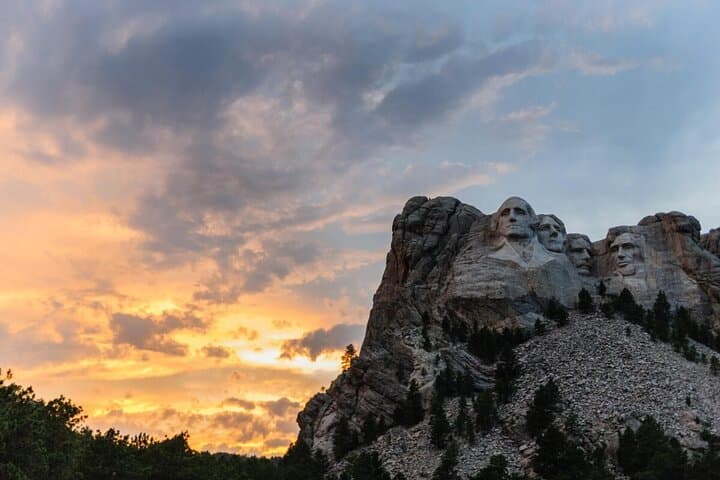
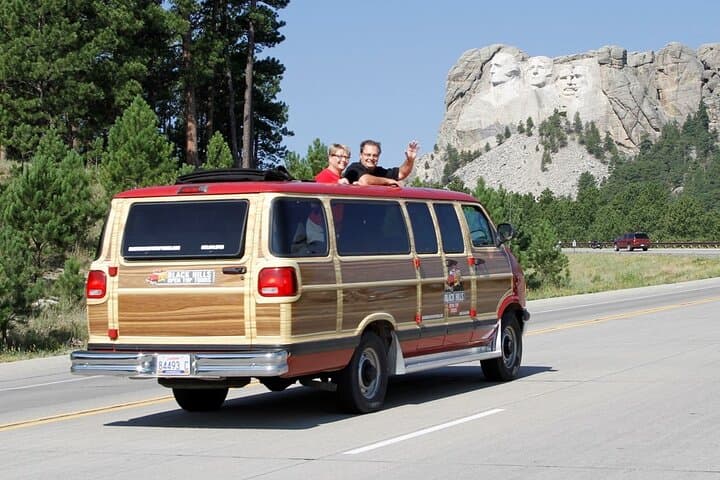
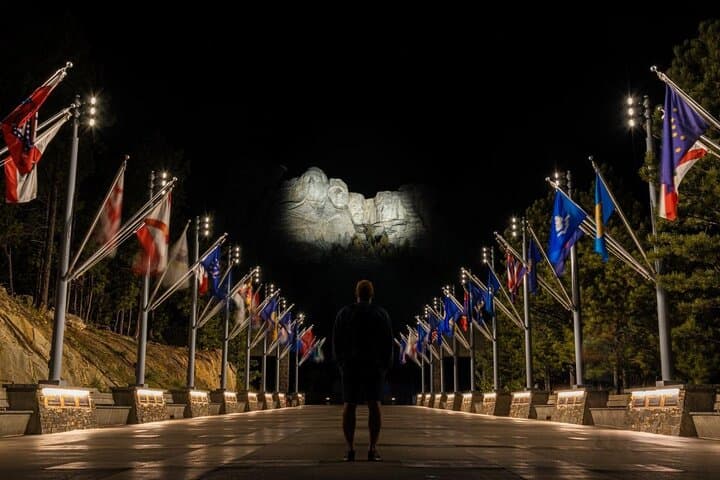
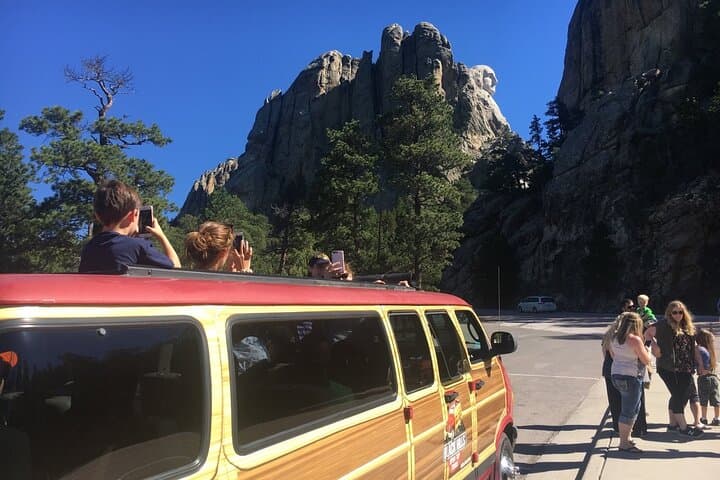
The lights come up and the granite faces take on a new gravity — cool air steals across the amphitheater as a ranger's voice steadies the crowd. On this evening tour you ride through Black Hills pines in an open-top vehicle, pause at the illuminated Mount Rushmore to watch the nightly program honoring veterans, then loop Iron Mountain Road's pigtail bridges and one-way tunnels before stopping under a deep, star-pricked sky.
Verified experiences and guided adventures in the surrounding area.
Operated by Black Hills Open-Top-Tours · Keystone, South Dakota
The lights come up and the granite faces take on a new gravity — cool air steals across the amphitheater as a ranger's voice steadies the crowd. On this evening tour you ride through Black Hills pines in an open-top vehicle, pause at the illuminated Mount Rushmore to watch the nightly program honoring veterans, then loop Iron Mountain Road's pigtail bridges and one-way tunnels before stopping under a deep, star-pricked sky.
Carved during the early 20th century by Gutzon Borglum and his crew, Mount Rushmore sits on Precambrian granite that resists erosion; its colossal presidential heads (about 60 feet tall) are a direct result of the region's tough rock and miners’ techniques. The Black Hills themselves are an isolated uplift with pine-covered ridges, elk meadows, and a cultural history important to the Lakota people — acknowledge the site's complex past while you stand on the overlook.
Expect a mix of short walks and seated viewing: rangers run a patriotic program, a short film, and the lighting ceremony that gives the mountain a theatrical clarity. The Iron Mountain Road drive frames the monument through carved tunnels and offers high, sweeping views of the surrounding forest.
Practically: dress warm in layers, bring a small flashlight and a camera with low-light capability, and plan for limited walking after sunset. The stargazing portion depends on cloud cover and moon phase; if skies are clear, the absence of city glare makes for impressive viewing. Vehicles are convertible but weather-dependent; tours operate May–October for the formal ceremony times and year-round for sunset/stargazing variants.
easy.
4–5 hours.
Suitable for most fitness levels; requires short walks and standing during the ceremony
The formal Night Ceremony runs May 26–August 10 at 9:00 PM and August 11–September 30 at 8:00 PM; outside those dates tours include sunset viewing and stargazing instead.
No — stargazing depends on weather and moon phase; guides will attempt observation when skies are clear but may skip if cloudy or windy.
The tour includes vehicle access and paved viewpoints; however, some areas may require short walks or standing — contact the supplier to arrange accessible pickup and accommodations.
Infants and small children can ride in a stroller; only service animals are allowed within the monument area — check with the operator for age recommendations.
Mount Rushmore was carved from 1927–1941 by sculptor Gutzon Borglum and workers who used dynamite and hand carving to shape the 60-foot faces into the granite of the Black Hills.
The National Park Service manages visitation to minimize impacts; stick to paved areas, pack out trash, and avoid disturbing wildlife to protect this high-use cultural landscape.
Black Hills Open-Top-Tours operates guided outdoor trips and adventures with an emphasis on safety, stewardship, and memorable experiences.
The lights come up and the granite faces take on a new gravity — cool air steals across the amphitheater as a ranger's voice steadies the crowd. On this evening tour you ride through Black Hills pines in an open-top vehicle, pause at the illuminated Mount Rushmore to watch the nightly program honoring veterans, then loop Iron Mountain Road's pigtail bridges and one-way tunnels before stopping under a deep, star-pricked sky.
The lights come up and the granite faces take on a new gravity — cool air steals across the amphitheater as a ranger's voice steadies the crowd. On this evening tour you ride through Black Hills pines in an open-top vehicle, pause at the illuminated Mount Rushmore to watch the nightly program honoring veterans, then loop Iron Mountain Road's pigtail bridges and one-way tunnels before stopping under a deep, star-pricked sky.
Carved during the early 20th century by Gutzon Borglum and his crew, Mount Rushmore sits on Precambrian granite that resists erosion; its colossal presidential heads (about 60 feet tall) are a direct result of the region's tough rock and miners’ techniques. The Black Hills themselves are an isolated uplift with pine-covered ridges, elk meadows, and a cultural history important to the Lakota people — acknowledge the site's complex past while you stand on the overlook.
Expect a mix of short walks and seated viewing: rangers run a patriotic program, a short film, and the lighting ceremony that gives the mountain a theatrical clarity. The Iron Mountain Road drive frames the monument through carved tunnels and offers high, sweeping views of the surrounding forest.
Practically: dress warm in layers, bring a small flashlight and a camera with low-light capability, and plan for limited walking after sunset. The stargazing portion depends on cloud cover and moon phase; if skies are clear, the absence of city glare makes for impressive viewing. Vehicles are convertible but weather-dependent; tours operate May–October for the formal ceremony times and year-round for sunset/stargazing variants.