THE ADVENTURE COLLECTIVE® · Independent discovery and booking for outdoor travel

See two of South Dakota’s most iconic landmarks in a single, streamlined day trip from Rapid City. This shared tour delivers museum context, walking access and photo stops at Mount Rushmore and the sprawling Crazy Horse Memorial.
See two of South Dakota’s most iconic landmarks in a single, streamlined day trip from Rapid City. This shared tour delivers museum context, walking access and photo stops at Mount Rushmore and the sprawling Crazy Horse Memorial.
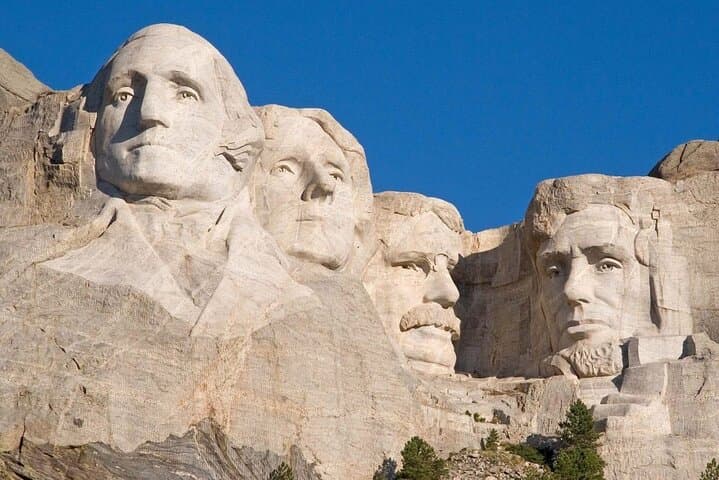
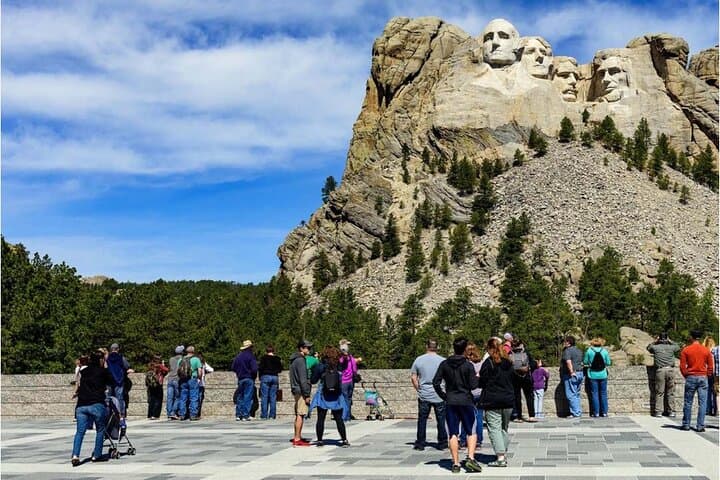
You step off the coach into a prairie wind that seems intent on moving you forward—toward four granite faces carved into the amphitheater of the Black Hills. The morning light picks out Washington’s profile while flags along the Avenue of the States snap and the scent of pine climbs from the foothills.
Verified experiences and guided adventures in the surrounding area.
Operated by Affordable Adventures · Keystone, South Dakota
You step off the coach into a prairie wind that seems intent on moving you forward—toward four granite faces carved into the amphitheater of the Black Hills. The morning light picks out Washington’s profile while flags along the Avenue of the States snap and the scent of pine climbs from the foothills.
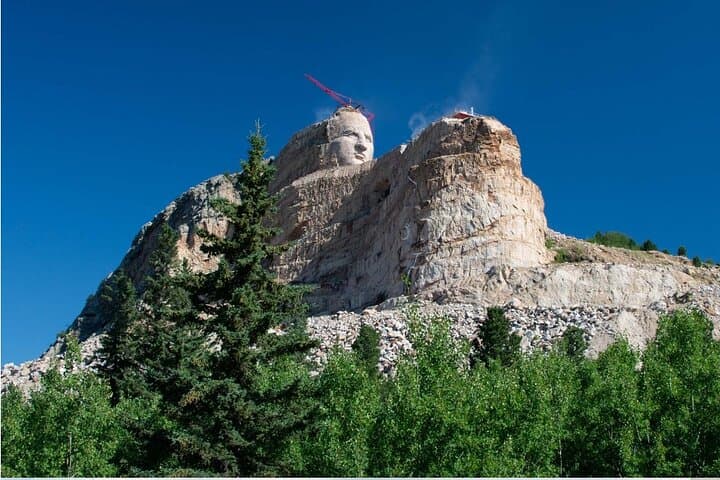
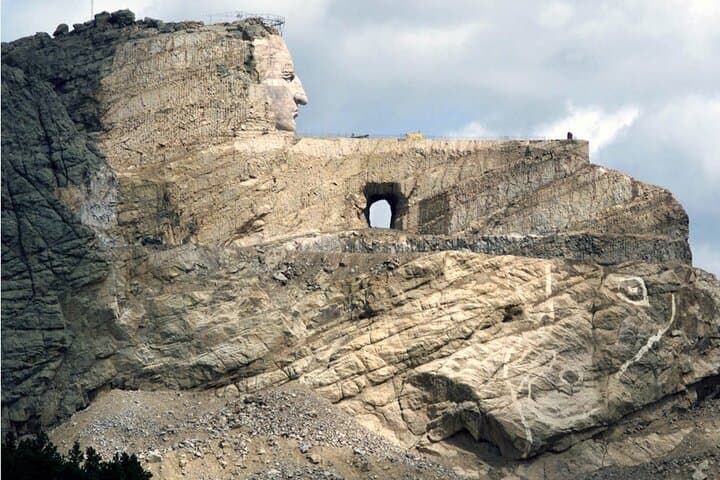
Mount Rushmore (carved 1927–1941 by Gutzon Borglum and crew) sits on a sculpted granite ridge formed by ancient uplift and erosion; nearby, Crazy Horse Memorial (initiated by Korczak Ziolkowski in 1948) towers as an evolving work of memory and culture. Together they trace different chapters: national identity carved in presidential visages and a Native American-led project that reclaims scale and narrative.
The tour splits time evenly—about two hours at each site—letting you watch orientation films, walk the Presidential Trail, peer into the Lincoln Borglum Museum, then cross the ridgeline to Crazy Horse’s museum, workshop and the Native American Cultural Center.
Practical edge: wear supportive shoes and plan for standing, stairs and short uphill paths; the bus handles the driving. Bring layers—the Black Hills can shift from sun to wind fast—and hydrate: bottled water is provided, but a refillable bottle helps the park.
Timing matters: arrive with a morning start from Rapid City to avoid midday crowds at viewing terraces and to catch the interpretive talks. Respect signage at Crazy Horse—this is an active work site and a cultural space. Photographers will find close-up and long-line compositions; historians will find context in museums. Expect a full, efficient day of big stone, human stories and prairie wind that keeps insisting you keep looking.
easy.
6–7 hours.
Light activity: able to stand, walk short distances and navigate some stairs; suitable for most fitness levels.
Shared pickup is available from hotels around Rapid City; exact pickup points are confirmed at booking and transport is provided to both sites.
Yes—entrance fees to both Mount Rushmore and Crazy Horse are included in the tour price.
Yes—additional info lists stroller accessibility and infant seats; note that some trails have stairs and uneven surfaces.
Both sites have cafes and snack options (Carvers’ Café, Laughing Water Restaurant) and gift shops; bringing snacks is also allowed.
Mount Rushmore was carved between 1927 and 1941 as a national monument; Crazy Horse Memorial began in 1948 and remains a long-term, family-led project focused on Native American heritage.
Both sites balance tourism with preservation—visitor fees support maintenance and educational programming; follow designated paths and respect cultural exhibits to reduce impact.
Affordable Adventures operates guided outdoor trips and adventures with an emphasis on safety, stewardship, and memorable experiences.
You step off the coach into a prairie wind that seems intent on moving you forward—toward four granite faces carved into the amphitheater of the Black Hills. The morning light picks out Washington’s profile while flags along the Avenue of the States snap and the scent of pine climbs from the foothills.
You step off the coach into a prairie wind that seems intent on moving you forward—toward four granite faces carved into the amphitheater of the Black Hills. The morning light picks out Washington’s profile while flags along the Avenue of the States snap and the scent of pine climbs from the foothills.
Mount Rushmore (carved 1927–1941 by Gutzon Borglum and crew) sits on a sculpted granite ridge formed by ancient uplift and erosion; nearby, Crazy Horse Memorial (initiated by Korczak Ziolkowski in 1948) towers as an evolving work of memory and culture. Together they trace different chapters: national identity carved in presidential visages and a Native American-led project that reclaims scale and narrative.
The tour splits time evenly—about two hours at each site—letting you watch orientation films, walk the Presidential Trail, peer into the Lincoln Borglum Museum, then cross the ridgeline to Crazy Horse’s museum, workshop and the Native American Cultural Center.
Practical edge: wear supportive shoes and plan for standing, stairs and short uphill paths; the bus handles the driving. Bring layers—the Black Hills can shift from sun to wind fast—and hydrate: bottled water is provided, but a refillable bottle helps the park.
Timing matters: arrive with a morning start from Rapid City to avoid midday crowds at viewing terraces and to catch the interpretive talks. Respect signage at Crazy Horse—this is an active work site and a cultural space. Photographers will find close-up and long-line compositions; historians will find context in museums. Expect a full, efficient day of big stone, human stories and prairie wind that keeps insisting you keep looking.