THE ADVENTURE COLLECTIVE® · Independent discovery and booking for outdoor travel

Swap Osaka’s neon for mountain air on a day trip to Mount Rokko and Arima Onsen. Ride historic cable cars and ropeways, hike ridge trails with bay views, and finish with a restorative soak in one of Japan’s oldest hot springs.
Swap Osaka’s neon for mountain air on a day trip to Mount Rokko and Arima Onsen. Ride historic cable cars and ropeways, hike ridge trails with bay views, and finish with a restorative soak in one of Japan’s oldest hot springs.
Morning light breaks over Osaka and, within an hour, the city’s hum gives way to the hush of Rokko’s foothills. Travelers step off a train, climb the historic Rokko Cable Car, and find themselves at a ridge where pine and beech lean into the wind and the skyline shrinks beneath.
Verified experiences and guided adventures in the surrounding area.
Operated by MY Travel Consulting · Kobe, Hyogo Prefecture
Morning light breaks over Osaka and, within an hour, the city’s hum gives way to the hush of Rokko’s foothills. Travelers step off a train, climb the historic Rokko Cable Car, and find themselves at a ridge where pine and beech lean into the wind and the skyline shrinks beneath.
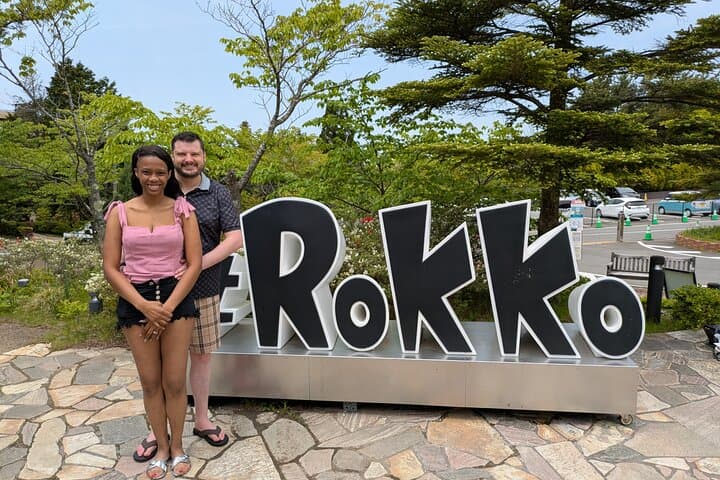
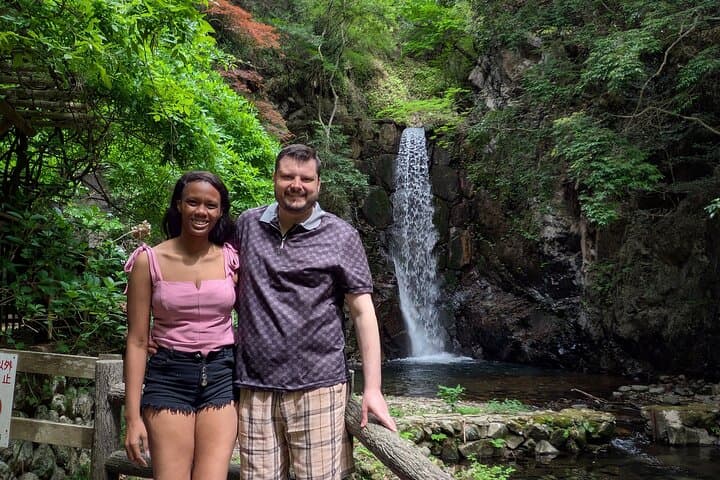
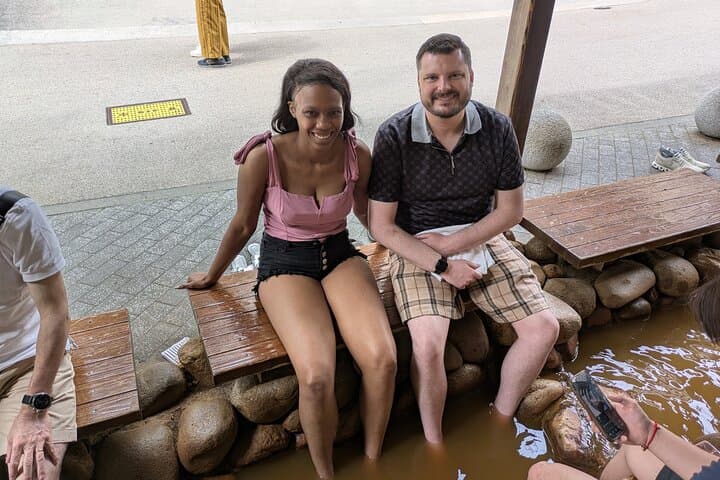
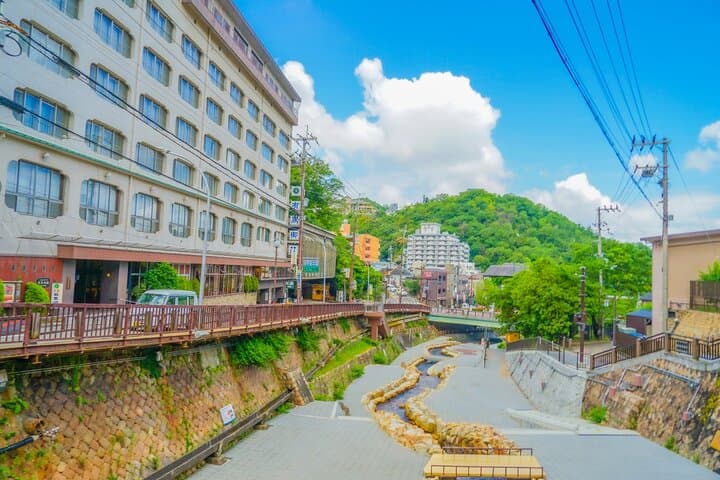
Mount Rokko’s highest point reaches roughly 931 meters, carved from ancient volcanic activity that left steep ridgelines, granite outcrops, and narrow valleys. The Rokko Garden Terrace and nearby ridgeline trails offer short hikes—typical routes are 2–6 km with up to 300–400 m of elevation change—through forested paths that open to wide views of Kobe and Osaka Bay. The Rokko Arima Ropeway then lowers visitors toward Arima Onsen, a spa town whose hot springs have been frequented for over a thousand years and whose streets retain wooden ryokan, sake shops, and centuries-old bathhouses.
Expect mixed terrain: packed dirt, stone steps and paved viewpoints; light scrambling is rare but some stretches are uneven. The ropeway and cable car reduce technical demand and make the day accessible to moderately fit travelers.
Practical guidance: book morning departures to avoid peak crowds, carry cash for small shops, and allow 60–90 minutes for an onsen soak (follow local bathing etiquette: wash thoroughly before entering, no swimsuits in public baths). Hydrate on the ridge, wear layered moisture-wicking clothing, and plan at least a full day—the standard tour runs about 10 hours including transit, sightseeing, and a restorative soak.
moderate.
10 hours.
Moderately fit: able to walk several kilometers on uneven ground and manage short uphill sections.
Many tours include hotel pickup in central Osaka; confirm your specific pickup point when booking.
Yes—stroller access is often possible, but check age restrictions for baths and reserve infant seats if needed.
No single section is technical; the tour uses cable cars and ropeways to limit elevation gain, making it suitable for most active travelers.
Public onsen require nude bathing; bring a modesty towel for walking to the bath and swimwear only if you book a private or family bath.
Arima Onsen is one of Japan’s oldest recorded hot spring resorts, referenced in chronicles over a thousand years old; Rokko’s ridgelines formed from ancient volcanic activity shaping Hyogo’s coastline views.
Stick to marked trails, carry out all trash, and support local ryokan and bathhouses that invest in sustainable water use and waste management.
MY Travel Consulting operates guided outdoor trips and adventures with an emphasis on safety, stewardship, and memorable experiences.
Morning light breaks over Osaka and, within an hour, the city’s hum gives way to the hush of Rokko’s foothills. Travelers step off a train, climb the historic Rokko Cable Car, and find themselves at a ridge where pine and beech lean into the wind and the skyline shrinks beneath.
Morning light breaks over Osaka and, within an hour, the city’s hum gives way to the hush of Rokko’s foothills. Travelers step off a train, climb the historic Rokko Cable Car, and find themselves at a ridge where pine and beech lean into the wind and the skyline shrinks beneath.
Mount Rokko’s highest point reaches roughly 931 meters, carved from ancient volcanic activity that left steep ridgelines, granite outcrops, and narrow valleys. The Rokko Garden Terrace and nearby ridgeline trails offer short hikes—typical routes are 2–6 km with up to 300–400 m of elevation change—through forested paths that open to wide views of Kobe and Osaka Bay. The Rokko Arima Ropeway then lowers visitors toward Arima Onsen, a spa town whose hot springs have been frequented for over a thousand years and whose streets retain wooden ryokan, sake shops, and centuries-old bathhouses.
Expect mixed terrain: packed dirt, stone steps and paved viewpoints; light scrambling is rare but some stretches are uneven. The ropeway and cable car reduce technical demand and make the day accessible to moderately fit travelers.
Practical guidance: book morning departures to avoid peak crowds, carry cash for small shops, and allow 60–90 minutes for an onsen soak (follow local bathing etiquette: wash thoroughly before entering, no swimsuits in public baths). Hydrate on the ridge, wear layered moisture-wicking clothing, and plan at least a full day—the standard tour runs about 10 hours including transit, sightseeing, and a restorative soak.