THE ADVENTURE COLLECTIVE® · Independent discovery and booking for outdoor travel

Ride the famous "dragon" cable cars, stroll to Pilatus’ highest point and cruise Lake Lucerne in a single day. This small-group trip pairs a high-alpine summit experience with a scenic lake crossing—ideal for travelers who want dramatic views without a multi-day trek.
Ride the famous "dragon" cable cars, stroll to Pilatus’ highest point and cruise Lake Lucerne in a single day. This small-group trip pairs a high-alpine summit experience with a scenic lake crossing—ideal for travelers who want dramatic views without a multi-day trek.
You step off Platform 7 in Lucerne with lake air in your lungs and the massif of Pilatus rising like a folded wall to the southwest—gray crags, green pastures, and a summit often capped in cloud. The group moves toward the cable cars; the “dragon ride” glass cabins climb, rotate and give you a slow unveiling of the city, the lake’s fingers, and a patchwork of cantonal farms below.
Verified experiences and guided adventures in the surrounding area.
Operated by Tours of Switzerland · Lucerne, Canton of Lucerne
You step off Platform 7 in Lucerne with lake air in your lungs and the massif of Pilatus rising like a folded wall to the southwest—gray crags, green pastures, and a summit often capped in cloud. The group moves toward the cable cars; the “dragon ride” glass cabins climb, rotate and give you a slow unveiling of the city, the lake’s fingers, and a patchwork of cantonal farms below.
Geology here is blunt and readable: Jurassic limestone and glacial sculpting carved the ridges and cirques that make Pilatus visually dramatic. Culture and legend are part of the ascent—local lore links the mountain to dragon myths and the apocryphal burial of Pontius Pilate, stories that shaped pilgrimage paths and guides’ anecdotes.
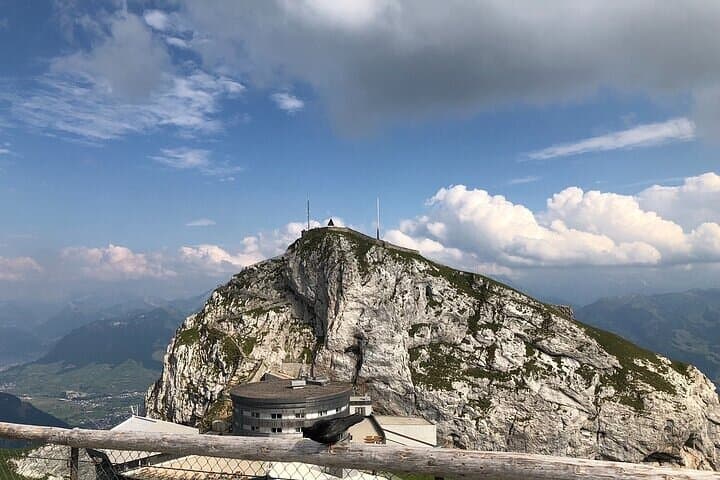
At Pilatus Kulm (approx. 2,073 m) the air checks your breath; the true summit, Tomlishorn (2,132 m), is a short, steep stroll from the station—about 20–45 minutes for most walkers and a small elevation gain. Opt for the cogwheel descent on the world’s steepest rack railway, and from mid-May to mid-October finish with a boat across Lake Lucerne, or take the winter round cruise when lake schedules change.
Practical notes: dress in layers (weather changes fast above 2,000 m), bring a windproof jacket, and allow 5–6 hours for the full route. Camera and binoculars reward patience—alpine birds and village roofs make fine subjects. The trip suits most fitness levels; the only sustained effort is the short summit walk. Book morning slots for clearer views and lighter crowds.
moderate.
5–6 hours.
Suitable for most active travelers; short steep walk to the true summit requires steady footing and basic stamina
The full experience runs about 5–6 hours and includes the cable car ride, summit time (optional short hike), cogwheel railway, local guide, and Lake Lucerne cruise or round trip depending on season.
The walk from Pilatus Kulm to Tomlishorn is short (20–45 minutes) with some steep sections; most visitors complete it without technical gear but should be steady on uneven terrain.
Late spring through early autumn typically offers the clearest visibility; mornings are often calmer before afternoon clouds build.
The tour notes wheelchair-accessible options at meeting points and some transport, but summit paths are uneven—check with the operator for specific accessibility needs.
Local folklore links Pilatus to dragon legends and stories that once drew pilgrims; the steep rack railway (Alpnachstad–Pilatus) opened in 1889 and remains a technical highlight.
Pilatus sits within managed alpine landscapes—stay on marked paths to protect fragile alpine meadows and follow local rules to minimize impact on nesting birds and grazing lands.
Tours of Switzerland operates guided outdoor trips and adventures with an emphasis on safety, stewardship, and memorable experiences.
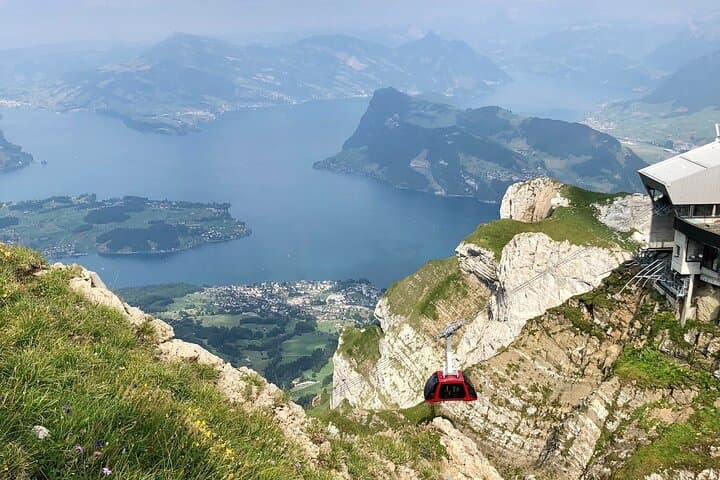
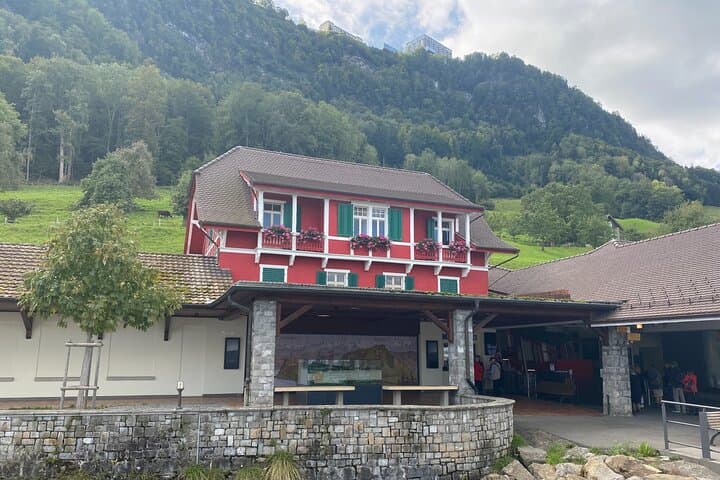
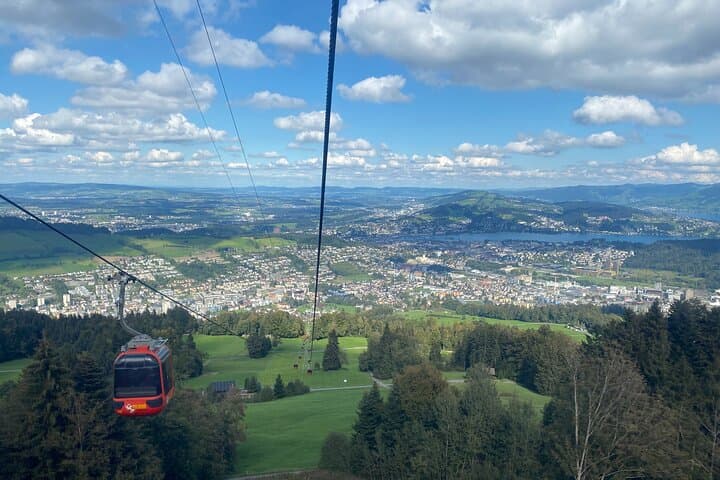
You step off Platform 7 in Lucerne with lake air in your lungs and the massif of Pilatus rising like a folded wall to the southwest—gray crags, green pastures, and a summit often capped in cloud. The group moves toward the cable cars; the “dragon ride” glass cabins climb, rotate and give you a slow unveiling of the city, the lake’s fingers, and a patchwork of cantonal farms below.
You step off Platform 7 in Lucerne with lake air in your lungs and the massif of Pilatus rising like a folded wall to the southwest—gray crags, green pastures, and a summit often capped in cloud. The group moves toward the cable cars; the “dragon ride” glass cabins climb, rotate and give you a slow unveiling of the city, the lake’s fingers, and a patchwork of cantonal farms below.
Geology here is blunt and readable: Jurassic limestone and glacial sculpting carved the ridges and cirques that make Pilatus visually dramatic. Culture and legend are part of the ascent—local lore links the mountain to dragon myths and the apocryphal burial of Pontius Pilate, stories that shaped pilgrimage paths and guides’ anecdotes.
At Pilatus Kulm (approx. 2,073 m) the air checks your breath; the true summit, Tomlishorn (2,132 m), is a short, steep stroll from the station—about 20–45 minutes for most walkers and a small elevation gain. Opt for the cogwheel descent on the world’s steepest rack railway, and from mid-May to mid-October finish with a boat across Lake Lucerne, or take the winter round cruise when lake schedules change.
Practical notes: dress in layers (weather changes fast above 2,000 m), bring a windproof jacket, and allow 5–6 hours for the full route. Camera and binoculars reward patience—alpine birds and village roofs make fine subjects. The trip suits most fitness levels; the only sustained effort is the short summit walk. Book morning slots for clearer views and lighter crowds.