THE ADVENTURE COLLECTIVE® · Independent discovery and booking for outdoor travel

A four-day, 3-night climb through Arusha National Park that combines wildlife-rich lower slopes, a technical ridge ascent and a pre-dawn summit for a sunrise view of Kilimanjaro. Ideal as altitude training or a quieter summit experience.
A four-day, 3-night climb through Arusha National Park that combines wildlife-rich lower slopes, a technical ridge ascent and a pre-dawn summit for a sunrise view of Kilimanjaro. Ideal as altitude training or a quieter summit experience.
A cold, thin wind cuts across the saddle as a headlamp beam threads through cloud and scrub. Hikers move in a slow, deliberate rhythm—step, breathe, step—following a ridge that runs the lip of a massive crater. By the time the sun guts the horizon, Kilimanjaro’s white dome appears like a distant ship on a sea of savanna. This is Mount Meru: a working volcano, a wildlife corridor, and a four-day trek that trains the legs and tests the lungs while delivering one of Tanzania’s clearest summit sunrises.
Verified experiences and guided adventures in the surrounding area.
Operated by Super Game Tanzania Tours and Safaris · Arusha, Arusha Region
A cold, thin wind cuts across the saddle as a headlamp beam threads through cloud and scrub. Hikers move in a slow, deliberate rhythm—step, breathe, step—following a ridge that runs the lip of a massive crater. By the time the sun guts the horizon, Kilimanjaro’s white dome appears like a distant ship on a sea of savanna. This is Mount Meru: a working volcano, a wildlife corridor, and a four-day trek that trains the legs and tests the lungs while delivering one of Tanzania’s clearest summit sunrises.
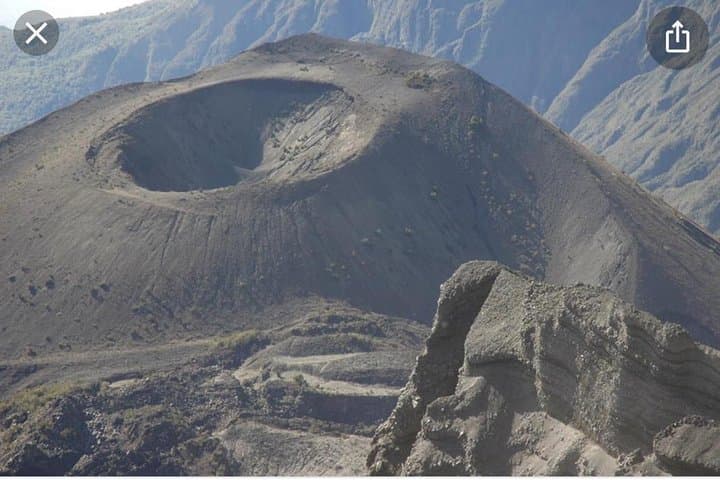
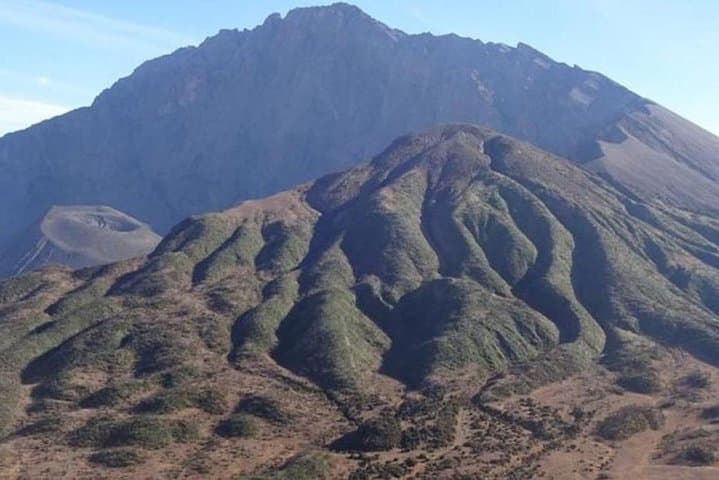
Geology and history stake out the route. Meru’s caldera, scarred by explosive eruptions, presents cliffs, ash slopes and a steep inner rim that the trail skirts as it rises. The mountain sits inside Arusha National Park, a compact landscape of forests, moorland and Momella plains that have long belonged to Maasai grazing routes and colonial-era conservation maps. The climb itself traces ecological bands: acacia and giant fig at lower elevations, montane forest mid-mountain, and tussock grass and volcanic scree above 3,500 meters.
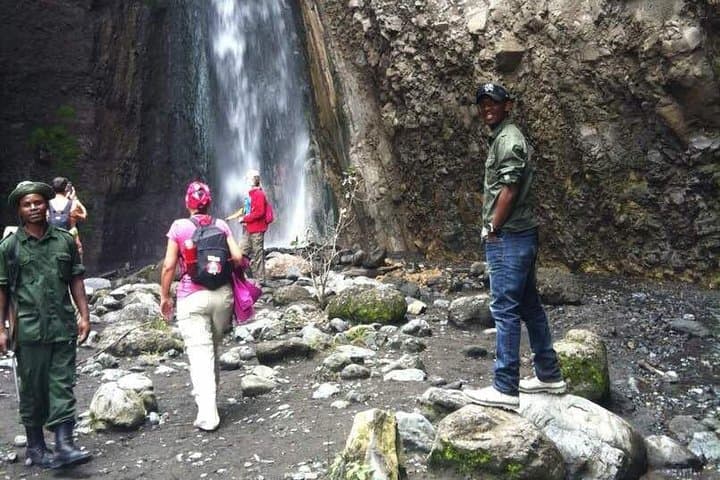
Culture and wildlife are part of the ascent. Because hikers pass through active park habitat, an armed TANAPA ranger walks with every group; on lower slopes it feels more like a walking safari—elephants, giraffe, and buffalo are common sightings and sometimes curious about the caravan of porters and tents. Camp life is simple: designated huts at Miriakamba (≈2,500m) and Saddle Hut (≈3,500m) where guides and cooks stage meals and warm water.
The itinerary is functional: day one is a 5–7 hour approach and wildlife-rich introduction; day two climbs to the Saddle with optional acclimatizing side-hikes; day three is the long midnight summit push—10–12 hours round-trip to 4,565m—and a descent back to Miriakamba; day four walks out in 2–3 hours. Total elevation gain from Arusha (≈1,400m) to summit is roughly 3,100–3,200 meters spread across four days, so pacing and hydration matter as much as boot choice.
Practical guidance: expect cold nights and a very early start for the summit attempt (often 00:30 wake). Hydrate before and during the trek, use a reliable headlamp for pre-dawn miles, and bring compact warm layers for summit exposure. If you’re targeting Meru as a Kilimanjaro warm-up, treat the route as serious acclimatization rather than a relaxed hike—monitor for altitude symptoms and rely on guides for pacing and decisions.
For planners: permits and ranger fees are handled at Momella Gate, and most operators include meals, huts and transfers from Arusha. Group sizes are small; porters carry communal equipment while climbers carry day packs. In short, Meru offers raw mountain minutes—crater rims that push you forward and plains that pull your gaze back—and a climb that rewards preparation with wide, empty views and a quieter summit than its taller neighbor.
challenging.
4 days.
Good cardiovascular fitness with experience on multi-day hikes; previous high-elevation trekking helpful
No ropes or technical climbing gear are required; however, hikers should be comfortable with steep, rocky scrambling and bring sturdy boots and poles.
Permits and the required armed TANAPA ranger fee are typically arranged by the operator and processed at Momella Gate—confirm inclusion when booking.
The summit day is the longest and steepest: expect 10–12 hours round-trip with pre-dawn starts, loose scree, and an exposed ridge requiring steady pacing.
Dry months (June–October) give the most stable conditions and clearer summit views; short dry windows in January–February are also good.
Physically fit beginners can attempt it, but previous multi-day hiking experience and good acclimatization habits are strongly recommended.
Altitude sickness can occur above 3,000m; guides monitor symptoms, enforce slower ascent rates, and may recommend descent if signs worsen.
Mount Meru is a younger volcanic neighbor to Kilimanjaro; its caldera and ash formations record open eruptions and have shaped local Maasai grazing practices for generations.
Arusha National Park enforces guided climbs and ranger accompaniment to limit human-wildlife conflict; stick to trails and avoid feeding or approaching animals.
Super Game Tanzania Tours and Safaris operates guided outdoor trips and adventures with an emphasis on safety, stewardship, and memorable experiences.
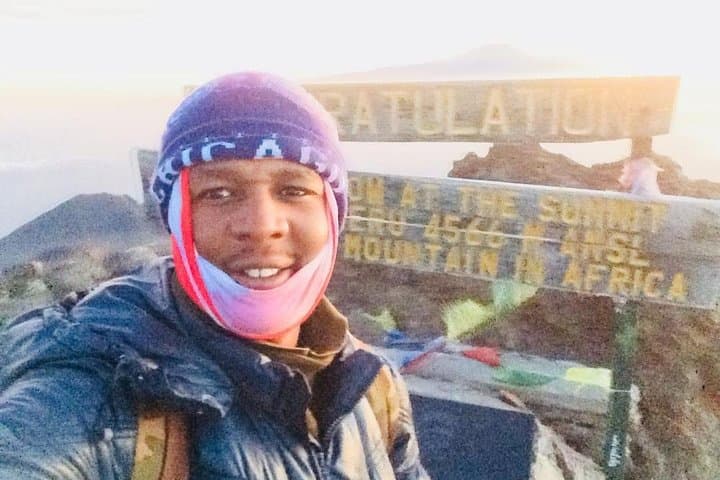
A cold, thin wind cuts across the saddle as a headlamp beam threads through cloud and scrub. Hikers move in a slow, deliberate rhythm—step, breathe, step—following a ridge that runs the lip of a massive crater. By the time the sun guts the horizon, Kilimanjaro’s white dome appears like a distant ship on a sea of savanna. This is Mount Meru: a working volcano, a wildlife corridor, and a four-day trek that trains the legs and tests the lungs while delivering one of Tanzania’s clearest summit sunrises.
A cold, thin wind cuts across the saddle as a headlamp beam threads through cloud and scrub. Hikers move in a slow, deliberate rhythm—step, breathe, step—following a ridge that runs the lip of a massive crater. By the time the sun guts the horizon, Kilimanjaro’s white dome appears like a distant ship on a sea of savanna. This is Mount Meru: a working volcano, a wildlife corridor, and a four-day trek that trains the legs and tests the lungs while delivering one of Tanzania’s clearest summit sunrises.
Geology and history stake out the route. Meru’s caldera, scarred by explosive eruptions, presents cliffs, ash slopes and a steep inner rim that the trail skirts as it rises. The mountain sits inside Arusha National Park, a compact landscape of forests, moorland and Momella plains that have long belonged to Maasai grazing routes and colonial-era conservation maps. The climb itself traces ecological bands: acacia and giant fig at lower elevations, montane forest mid-mountain, and tussock grass and volcanic scree above 3,500 meters.
Culture and wildlife are part of the ascent. Because hikers pass through active park habitat, an armed TANAPA ranger walks with every group; on lower slopes it feels more like a walking safari—elephants, giraffe, and buffalo are common sightings and sometimes curious about the caravan of porters and tents. Camp life is simple: designated huts at Miriakamba (≈2,500m) and Saddle Hut (≈3,500m) where guides and cooks stage meals and warm water.
The itinerary is functional: day one is a 5–7 hour approach and wildlife-rich introduction; day two climbs to the Saddle with optional acclimatizing side-hikes; day three is the long midnight summit push—10–12 hours round-trip to 4,565m—and a descent back to Miriakamba; day four walks out in 2–3 hours. Total elevation gain from Arusha (≈1,400m) to summit is roughly 3,100–3,200 meters spread across four days, so pacing and hydration matter as much as boot choice.
Practical guidance: expect cold nights and a very early start for the summit attempt (often 00:30 wake). Hydrate before and during the trek, use a reliable headlamp for pre-dawn miles, and bring compact warm layers for summit exposure. If you’re targeting Meru as a Kilimanjaro warm-up, treat the route as serious acclimatization rather than a relaxed hike—monitor for altitude symptoms and rely on guides for pacing and decisions.
For planners: permits and ranger fees are handled at Momella Gate, and most operators include meals, huts and transfers from Arusha. Group sizes are small; porters carry communal equipment while climbers carry day packs. In short, Meru offers raw mountain minutes—crater rims that push you forward and plains that pull your gaze back—and a climb that rewards preparation with wide, empty views and a quieter summit than its taller neighbor.