THE ADVENTURE COLLECTIVE® · Independent discovery and booking for outdoor travel

A compact, high-altitude trek through Arusha National Park that delivers wildlife, volcanic ridgelines, and a moonlit summit push to 4,565 m. Ideal as a Kilimanjaro warm-up, the four-day itinerary mixes walking-safari lower slopes with a technical-feeling ridge ascent.
A compact, high-altitude trek through Arusha National Park that delivers wildlife, volcanic ridgelines, and a moonlit summit push to 4,565 m. Ideal as a Kilimanjaro warm-up, the four-day itinerary mixes walking-safari lower slopes with a technical-feeling ridge ascent.
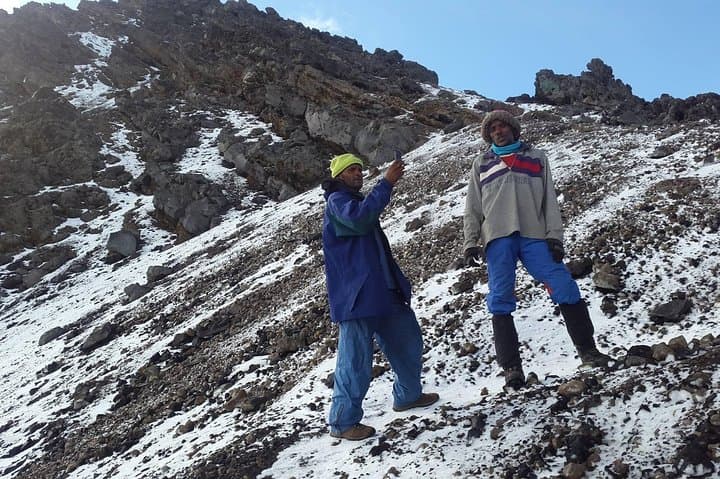
Just before midnight a headlamp hive moves up a spine of volcanic rock and cloud. Flags of breath puff in the cold as porters and guides keep a steady, conversational pace — the kind that keeps legs turning and lungs working. By sunrise the ridge pays back the effort: a sudden clearing, Mt. Kilimanjaro’s snowcap stabbing the sky, and the crater of Meru yawning nearby. This is the rhythm of the Mt. Meru trek — four days of layered ecosystems, wildlife surprises, and a short, sharp summit push that makes acclimatization feel earned rather than endured.
Verified experiences and guided adventures in the surrounding area.
Operated by Mikumi Holiday Safaris · Arusha, Arusha Region
Just before midnight a headlamp hive moves up a spine of volcanic rock and cloud. Flags of breath puff in the cold as porters and guides keep a steady, conversational pace — the kind that keeps legs turning and lungs working. By sunrise the ridge pays back the effort: a sudden clearing, Mt. Kilimanjaro’s snowcap stabbing the sky, and the crater of Meru yawning nearby. This is the rhythm of the Mt. Meru trek — four days of layered ecosystems, wildlife surprises, and a short, sharp summit push that makes acclimatization feel earned rather than endured.
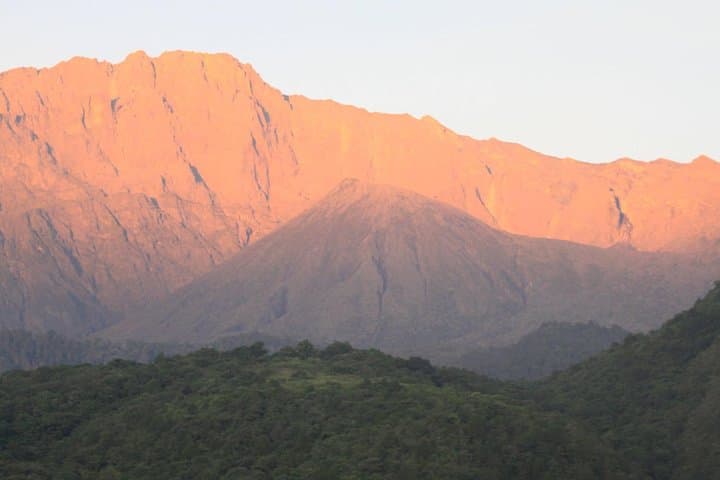
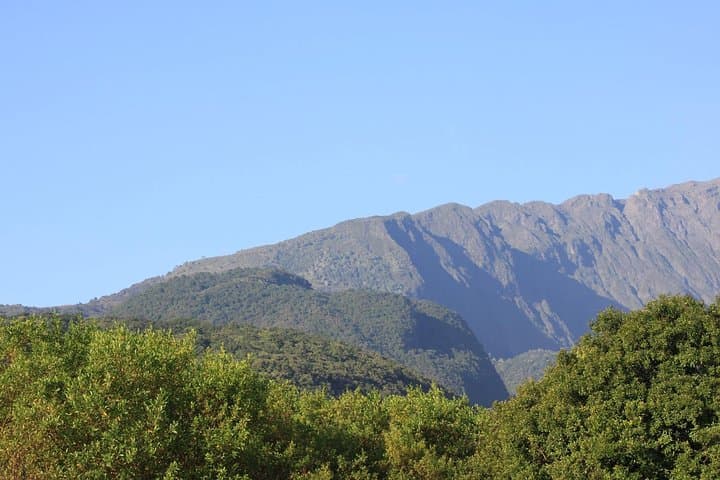
Geologically, Meru is a massive stratovolcano whose inner crater — the so-called Ash Tray — cuts a raw, tooth-edged profile across Arusha National Park. Centuries of erosion and eruptions have carved switchbacks through montane forest to heather moorlands and finally to stony ridge-lines. Culturally, the slopes sit within Maasai country and the region around Arusha has long been a crossroads between pastoral life and safari tourism; local park fees and ranger programmes help maintain both access and protection.
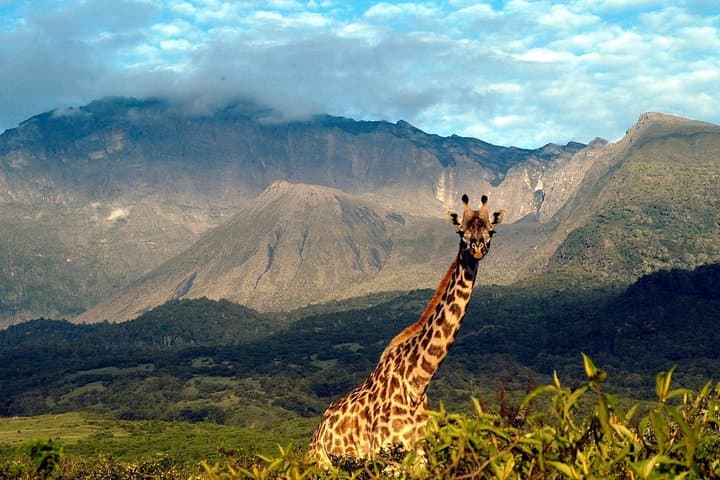
The itinerary is straightforward and focused. Day one climbs from the Momella Gate (roughly 1,400 m) to Miriakamba Hut at 2,500 m along a walking-safari route where elephants, giraffes and buffalo can graze within sight. Day two pushes to Saddle Hut at 3,500 m, with an optional acclimatizing side-trip to Little Meru (3,820 m). The summit attempt begins near 01:30 on day three: a moonlit grind to Rhino Point (≈3,800 m), then to Cobra Point (≈4,350 m) and a final rocky scramble to Meru’s 4,565 m summit for sunrise views of Kilimanjaro and the Ash Tray, followed by descent back to Miriakamba. Day four is a leisurely drop through forest and meadow to Momella Gate.
Because Arusha National Park is active habitat, an armed ranger accompanies every party — a practical reminder that the mountain shares its space with wild animals. Huts provide basic shelter and hot meals are included, but the nights grow sharply cold above 3,000 m.
Practical guidance: expect steep, rocky terrain and three nights in huts/camping; plan for rapid temperature swings and UV exposure at altitude. Hydrate early and often, pace conservatively on the summit night, and use a headlamp and walking poles for the pre-dawn slog. This route is excellent as a Kilimanjaro warm-up because of its altitude profile, but treat it as a true mountain objective: respect acclimatization, listen to your body, and carry layers for wind and cold.
challenging.
4 days.
Good cardiovascular fitness with experience on sustained uphill hikes; previous high-altitude trekking experience is helpful.
While not technical, the route reaches 4,565 m; prior multi-day trekking and basic acclimatization experience is strongly recommended.
Yes — the itinerary includes guides, porters and a cook; an armed ranger is supplied by the park for safety.
The driest months (June–October and January–February) offer clearer summit views and firmer trails; long rains (March–May) make the route muddier and less reliable.
Expect a 6–8 hour round-trip from Saddle Hut with steep grades and a final rocky scramble; cold, altitude and sleep disruption add to the challenge.
Huts are basic shelters with communal sleeping; they provide meals and water but warm sleeping gear and a good sleeping mat are advised.
Yes — Meru’s altitude profile and long summit night mimic Kilimanjaro-style efforts and help with acclimatization.
Mount Meru is an imposing stratovolcano inside Arusha National Park; the mountain and surrounding lands are historically used by Maasai pastoralists and have been protected within TANAPA for decades.
Arusha National Park requires ranger escorts and collects park fees that fund wildlife protection; visitors should follow leave-no-trace rules and minimize campfire and waste impacts.
Mikumi Holiday Safaris operates guided outdoor trips and adventures with an emphasis on safety, stewardship, and memorable experiences.
Just before midnight a headlamp hive moves up a spine of volcanic rock and cloud. Flags of breath puff in the cold as porters and guides keep a steady, conversational pace — the kind that keeps legs turning and lungs working. By sunrise the ridge pays back the effort: a sudden clearing, Mt. Kilimanjaro’s snowcap stabbing the sky, and the crater of Meru yawning nearby. This is the rhythm of the Mt. Meru trek — four days of layered ecosystems, wildlife surprises, and a short, sharp summit push that makes acclimatization feel earned rather than endured.
Just before midnight a headlamp hive moves up a spine of volcanic rock and cloud. Flags of breath puff in the cold as porters and guides keep a steady, conversational pace — the kind that keeps legs turning and lungs working. By sunrise the ridge pays back the effort: a sudden clearing, Mt. Kilimanjaro’s snowcap stabbing the sky, and the crater of Meru yawning nearby. This is the rhythm of the Mt. Meru trek — four days of layered ecosystems, wildlife surprises, and a short, sharp summit push that makes acclimatization feel earned rather than endured.
Geologically, Meru is a massive stratovolcano whose inner crater — the so-called Ash Tray — cuts a raw, tooth-edged profile across Arusha National Park. Centuries of erosion and eruptions have carved switchbacks through montane forest to heather moorlands and finally to stony ridge-lines. Culturally, the slopes sit within Maasai country and the region around Arusha has long been a crossroads between pastoral life and safari tourism; local park fees and ranger programmes help maintain both access and protection.
The itinerary is straightforward and focused. Day one climbs from the Momella Gate (roughly 1,400 m) to Miriakamba Hut at 2,500 m along a walking-safari route where elephants, giraffes and buffalo can graze within sight. Day two pushes to Saddle Hut at 3,500 m, with an optional acclimatizing side-trip to Little Meru (3,820 m). The summit attempt begins near 01:30 on day three: a moonlit grind to Rhino Point (≈3,800 m), then to Cobra Point (≈4,350 m) and a final rocky scramble to Meru’s 4,565 m summit for sunrise views of Kilimanjaro and the Ash Tray, followed by descent back to Miriakamba. Day four is a leisurely drop through forest and meadow to Momella Gate.
Because Arusha National Park is active habitat, an armed ranger accompanies every party — a practical reminder that the mountain shares its space with wild animals. Huts provide basic shelter and hot meals are included, but the nights grow sharply cold above 3,000 m.
Practical guidance: expect steep, rocky terrain and three nights in huts/camping; plan for rapid temperature swings and UV exposure at altitude. Hydrate early and often, pace conservatively on the summit night, and use a headlamp and walking poles for the pre-dawn slog. This route is excellent as a Kilimanjaro warm-up because of its altitude profile, but treat it as a true mountain objective: respect acclimatization, listen to your body, and carry layers for wind and cold.