THE ADVENTURE COLLECTIVE® · Independent discovery and booking for outdoor travel

Two days of Rift Valley extremes: climb to the rim of Mt. Longonot for wide, volcanic views, then swap altitude for pedals at Hell’s Gate National Park where gorges, geothermal vents and cycling trails await. A compact, practical escape from Nairobi.
Two days of Rift Valley extremes: climb to the rim of Mt. Longonot for wide, volcanic views, then swap altitude for pedals at Hell’s Gate National Park where gorges, geothermal vents and cycling trails await. A compact, practical escape from Nairobi.
The bus eases out of Nairobi before dawn and the city’s glare gives way to long shadows on the Rift Valley floor. By the time you pass the Rift Valley viewpoint, the crater of Mt. Longonot cuts into the sky like an open wound—steep inner walls, razor ridges and a rim that dares you to walk it. Day 1 is all about that rim: a five-hour hike that climbs to 2,886 m and then traces the crater’s lip, each step alternately exposing the lake-dimpled lowlands and the raw, scoured volcanic rock beneath your boots.
Verified experiences and guided adventures in the surrounding area.
Operated by Kana Safaris · Nairobi, Nairobi County
The bus eases out of Nairobi before dawn and the city’s glare gives way to long shadows on the Rift Valley floor. By the time you pass the Rift Valley viewpoint, the crater of Mt. Longonot cuts into the sky like an open wound—steep inner walls, razor ridges and a rim that dares you to walk it. Day 1 is all about that rim: a five-hour hike that climbs to 2,886 m and then traces the crater’s lip, each step alternately exposing the lake-dimpled lowlands and the raw, scoured volcanic rock beneath your boots.
The region is young geologically. Mt. Longonot is a Holocene stratovolcano—not a perfect cone, but a living scar of rifting and upwelling magma that shaped the floor of the Great Rift Valley. The trail alternates between scrubby acacia and short, wind-tough grasses; the wind seems to push and test you as much as you push forward. Local Kikuyu farmers and Maasai herders historically grazed the surrounding plains, and the Rift’s viewpoints were trade and observation posts long before tourism routes were established.
Day 2 pivots from altitude to abrasion: Hell’s Gate National Park. Here the landscape narrows into gorges and towers of columnar rock—Fishers Tower rises like a weathered pillar—and you’ll swap hiking boots for a bicycle to ride through wildlife-accented plains, pedal past geothermal vents and, if you take the short detour, descend into the gorge for a close-up hike. The geothermal plant nearby is a reminder that this land still heats itself from below.
Practical guidance: start early on both days to avoid midday sun and afternoon showers during the rainy seasons, and expect variable trail surfaces—compact dirt, volcanic scree and short grass. Admission fees and park permits are not included, so bring payment and your passport. Guides often provide commentary on geology and local culture; group sizes are small (up to 15) so it’s still a personal experience.
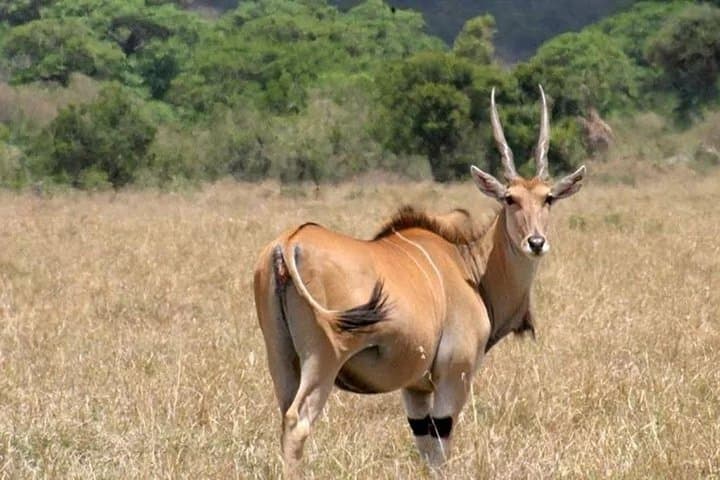
Hydration and traction matter: carry 2–3 liters of water, layered clothing, and sturdy hiking shoes with good tread for the crater rim. Cycling in Hell’s Gate is mostly flat but exposed; a basic helmet and good brakes are non-negotiable. Wildlife sightings—zebra and baboon are common—are secondary to the landscape here; treat animals respectfully and keep distance.
This two-day loop is ideal for travelers who want the Rift Valley’s big views and hands-on terrain in a compact, well-supported package. The payoff is cinematic: standing on a volcanic rim while the valley unfurls below, then hours later pedaling through wind-carved rock and steam vents—raw, direct and unmistakably Kenyan.
moderate.
Day 1: 5–6 hours (hike). Day 2: 2–3 hours (cycling + short hikes).
Good aerobic base and comfort on uneven terrain; regular walkers who can manage sustained climbs will be fine.
The hike is moderate—steep in places but well-defined. Expect 4–6 hours round trip along the rim with short, sharper climbs.
No—entrance fees and permits for Mt. Longonot and Hell’s Gate are paid at the gate; bring cash and your passport for park records.
Yes—basic cycling competency is required. The Hell’s Gate route is mostly flat packed dirt but includes loose gravel and short uphill sections.
The tour is family-friendly for experienced kids and active older adults, but the crater rim has exposed sections and steep gradients—assess mobility and stamina first.
Expect plains species in Hell’s Gate—zebra, gazelles and baboons are commonly seen. Always observe from a distance and follow guide instructions.
Layered clothing is essential: a moisture-wicking base, light insulating mid-layer and a windproof shell for the rim. Rain is possible during the wet seasons.
The Great Rift Valley shaped local trade routes and grazing lands; communities like the Kikuyu and Maasai have long used these highlands for pastoralism and seasonal farming.
Both sites are protected—stay on trails, avoid feeding wildlife and support local guides; Hell’s Gate allows cycling to minimize vehicle impact while preserving viewing areas.
Kana Safaris operates guided outdoor trips and adventures with an emphasis on safety, stewardship, and memorable experiences.
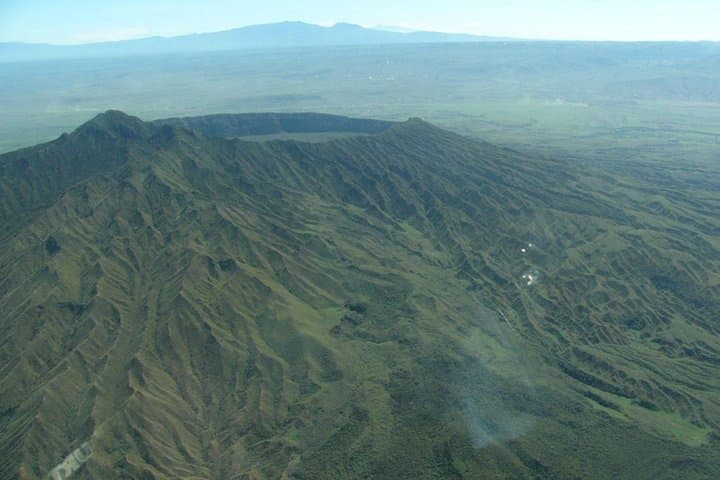
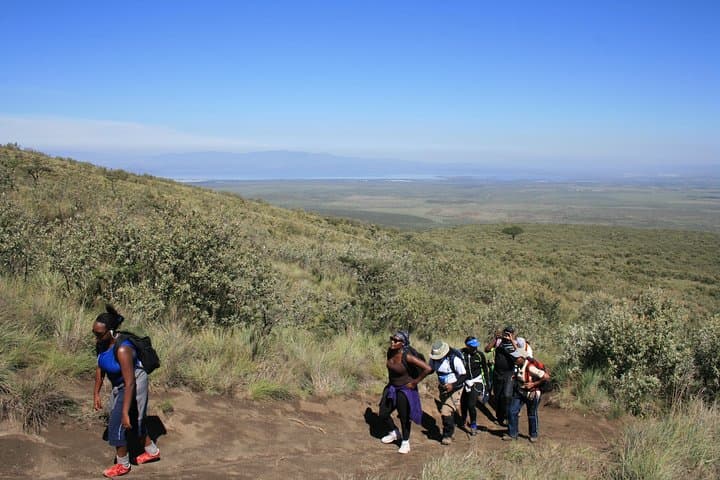
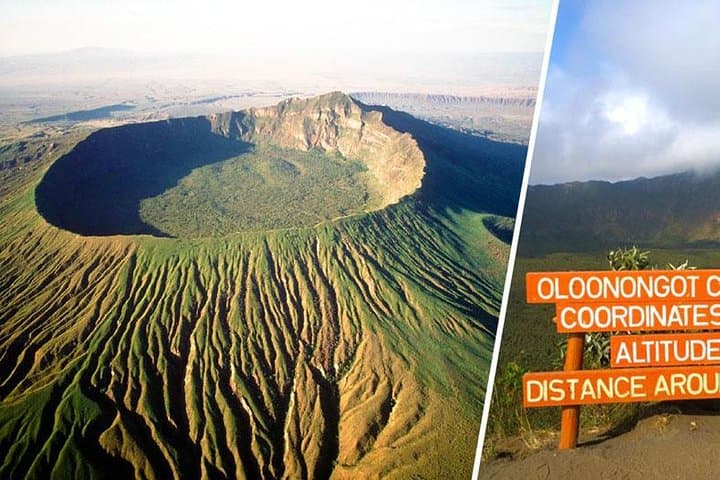
The bus eases out of Nairobi before dawn and the city’s glare gives way to long shadows on the Rift Valley floor. By the time you pass the Rift Valley viewpoint, the crater of Mt. Longonot cuts into the sky like an open wound—steep inner walls, razor ridges and a rim that dares you to walk it. Day 1 is all about that rim: a five-hour hike that climbs to 2,886 m and then traces the crater’s lip, each step alternately exposing the lake-dimpled lowlands and the raw, scoured volcanic rock beneath your boots.
The bus eases out of Nairobi before dawn and the city’s glare gives way to long shadows on the Rift Valley floor. By the time you pass the Rift Valley viewpoint, the crater of Mt. Longonot cuts into the sky like an open wound—steep inner walls, razor ridges and a rim that dares you to walk it. Day 1 is all about that rim: a five-hour hike that climbs to 2,886 m and then traces the crater’s lip, each step alternately exposing the lake-dimpled lowlands and the raw, scoured volcanic rock beneath your boots.
The region is young geologically. Mt. Longonot is a Holocene stratovolcano—not a perfect cone, but a living scar of rifting and upwelling magma that shaped the floor of the Great Rift Valley. The trail alternates between scrubby acacia and short, wind-tough grasses; the wind seems to push and test you as much as you push forward. Local Kikuyu farmers and Maasai herders historically grazed the surrounding plains, and the Rift’s viewpoints were trade and observation posts long before tourism routes were established.
Day 2 pivots from altitude to abrasion: Hell’s Gate National Park. Here the landscape narrows into gorges and towers of columnar rock—Fishers Tower rises like a weathered pillar—and you’ll swap hiking boots for a bicycle to ride through wildlife-accented plains, pedal past geothermal vents and, if you take the short detour, descend into the gorge for a close-up hike. The geothermal plant nearby is a reminder that this land still heats itself from below.
Practical guidance: start early on both days to avoid midday sun and afternoon showers during the rainy seasons, and expect variable trail surfaces—compact dirt, volcanic scree and short grass. Admission fees and park permits are not included, so bring payment and your passport. Guides often provide commentary on geology and local culture; group sizes are small (up to 15) so it’s still a personal experience.
Hydration and traction matter: carry 2–3 liters of water, layered clothing, and sturdy hiking shoes with good tread for the crater rim. Cycling in Hell’s Gate is mostly flat but exposed; a basic helmet and good brakes are non-negotiable. Wildlife sightings—zebra and baboon are common—are secondary to the landscape here; treat animals respectfully and keep distance.
This two-day loop is ideal for travelers who want the Rift Valley’s big views and hands-on terrain in a compact, well-supported package. The payoff is cinematic: standing on a volcanic rim while the valley unfurls below, then hours later pedaling through wind-carved rock and steam vents—raw, direct and unmistakably Kenyan.