THE ADVENTURE COLLECTIVE® · Independent discovery and booking for outdoor travel

Hike the rim of Mt Longonot for sweeping Rift Valley panoramas, then relax with an optional boat ride on Lake Naivasha. This full-day excursion pairs volcanic geology with wildlife viewing and a taste of rural Kenya.
Hike the rim of Mt Longonot for sweeping Rift Valley panoramas, then relax with an optional boat ride on Lake Naivasha. This full-day excursion pairs volcanic geology with wildlife viewing and a taste of rural Kenya.
The morning air on the edge of the Great Rift Valley is crisp and immediate; the road from Nairobi drops into a wide bowl of scrub and farmland before Mt Longonot rises like a dark rim against the sky. You step out at the park gate, boots settling on dusty trail, and the volcano begins to pull you upward — not with theatrics but with steady, honest gradient.
Verified experiences and guided adventures in the surrounding area.
Operated by Valent Tours & Travel · Naivasha, Nakuru County
The morning air on the edge of the Great Rift Valley is crisp and immediate; the road from Nairobi drops into a wide bowl of scrub and farmland before Mt Longonot rises like a dark rim against the sky. You step out at the park gate, boots settling on dusty trail, and the volcano begins to pull you upward — not with theatrics but with steady, honest gradient.
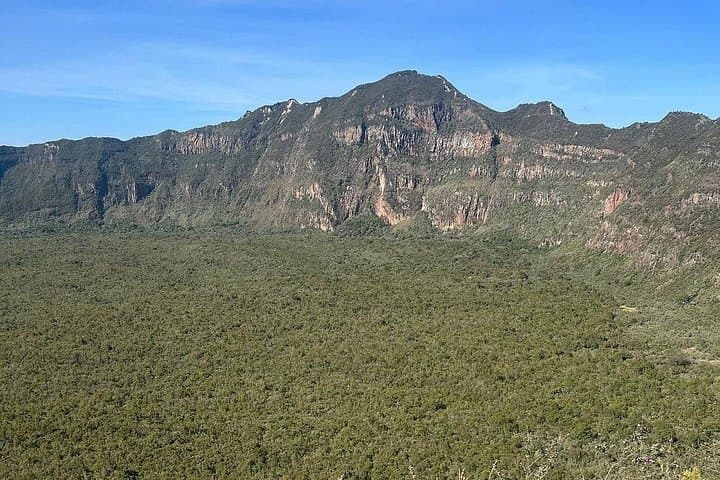
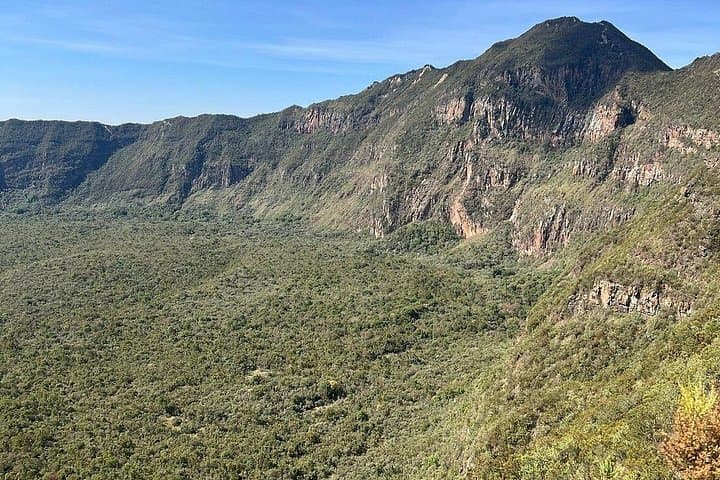
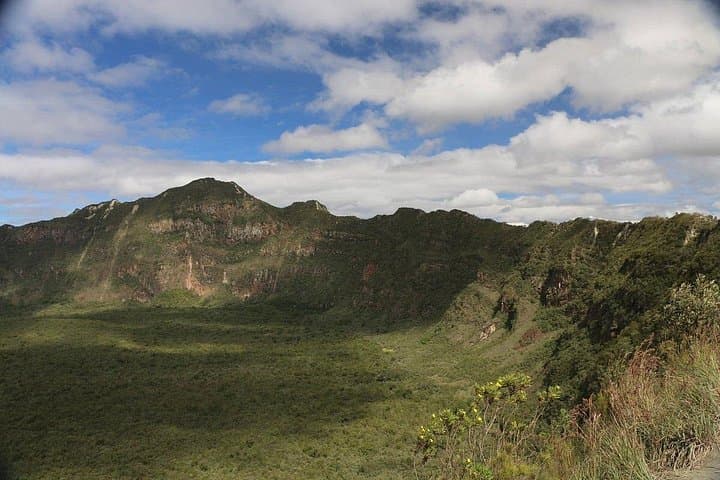
Longonot is a dormant stratovolcano sculpted by Rift Valley tectonics. Its broad crater and defined rim record eruptions and slow collapse, while the surrounding plains host Maasai grazing lands and seasonal wetlands that feed Lake Naivasha. Culture here is practical and place-based: small farms, ranches, and lakeside communities that have worked this land for generations.
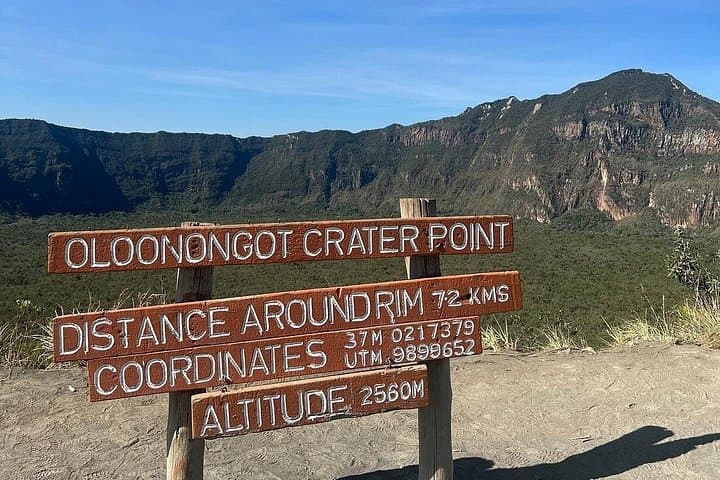
The hike to the crater rim and around the lip is typically 6–8 km round-trip with roughly 400–500 m of elevation gain; expect 3–4 hours on the trail at a steady pace. Vegetation opens from acacia scrub to short grasses, and birds and grazing zebras punctuate the ascent. From the rim the Rift Valley floor and the distant sweep of Lake Naivasha lay out like a geographic diagram — wind on the crater rim will remind you that the landscape is active, even in repose.
Practical guidance: start early to avoid mid-day heat and to fit the optional lake boat ride afterward. Carry 2–3 liters of water, sun protection, and sturdy footwear for rocky, sometimes loose sections. There is a local Longonot guide included with most tours; park entrance and boat fees may be extra. Plan for a full day: pick-up in Nairobi, the hike, lunch in Naivasha, and an optional 1-hour boat trip to watch hippos and waterbirds before returning to the city.
moderate.
7–8 hours.
Moderate — able to sustain steady uphill walking for several hours and handle uneven terrain on descent.
The crater rim loop is typically 6–8 km round-trip with about 400–500 m elevation gain; most people complete it in 3–4 hours at a moderate pace.
Guides and transport are usually included but park entrance and optional Lake Naivasha boat ride are often extra — confirm with your operator before booking.
On the slopes look for birds and grazing zebras; on Lake Naivasha expect waterbirds and the possibility of hippo sightings from the boat.
Yes for fit beginners with no mobility issues; it’s recommended to be comfortable with sustained uphill walking and to inform guides of any health concerns.
Mt Longonot formed from Rift Valley volcanic activity; the crater and rim are the result of collapsed volcanic cones and lava flows several hundred thousand years ago.
The area is managed as a national park with emphasis on keeping to trails and minimizing disturbance to grazing wildlife; boat operators on Lake Naivasha follow guidelines to reduce shoreline impact.
Valent Tours & Travel operates guided outdoor trips and adventures with an emphasis on safety, stewardship, and memorable experiences.
The morning air on the edge of the Great Rift Valley is crisp and immediate; the road from Nairobi drops into a wide bowl of scrub and farmland before Mt Longonot rises like a dark rim against the sky. You step out at the park gate, boots settling on dusty trail, and the volcano begins to pull you upward — not with theatrics but with steady, honest gradient.
The morning air on the edge of the Great Rift Valley is crisp and immediate; the road from Nairobi drops into a wide bowl of scrub and farmland before Mt Longonot rises like a dark rim against the sky. You step out at the park gate, boots settling on dusty trail, and the volcano begins to pull you upward — not with theatrics but with steady, honest gradient.
Longonot is a dormant stratovolcano sculpted by Rift Valley tectonics. Its broad crater and defined rim record eruptions and slow collapse, while the surrounding plains host Maasai grazing lands and seasonal wetlands that feed Lake Naivasha. Culture here is practical and place-based: small farms, ranches, and lakeside communities that have worked this land for generations.
The hike to the crater rim and around the lip is typically 6–8 km round-trip with roughly 400–500 m of elevation gain; expect 3–4 hours on the trail at a steady pace. Vegetation opens from acacia scrub to short grasses, and birds and grazing zebras punctuate the ascent. From the rim the Rift Valley floor and the distant sweep of Lake Naivasha lay out like a geographic diagram — wind on the crater rim will remind you that the landscape is active, even in repose.
Practical guidance: start early to avoid mid-day heat and to fit the optional lake boat ride afterward. Carry 2–3 liters of water, sun protection, and sturdy footwear for rocky, sometimes loose sections. There is a local Longonot guide included with most tours; park entrance and boat fees may be extra. Plan for a full day: pick-up in Nairobi, the hike, lunch in Naivasha, and an optional 1-hour boat trip to watch hippos and waterbirds before returning to the city.