THE ADVENTURE COLLECTIVE® · Independent discovery and booking for outdoor travel

Climb Mt Longonot’s rim for raw Rift Valley views and a compact crater loop that tests legs and rewards with panoramic scenery. This day hike from Nairobi combines a steep ascent, exposed ridgelines and surprising crater forest—ideal for fit day-hikers.
Climb Mt Longonot’s rim for raw Rift Valley views and a compact crater loop that tests legs and rewards with panoramic scenery. This day hike from Nairobi combines a steep ascent, exposed ridgelines and surprising crater forest—ideal for fit day-hikers.
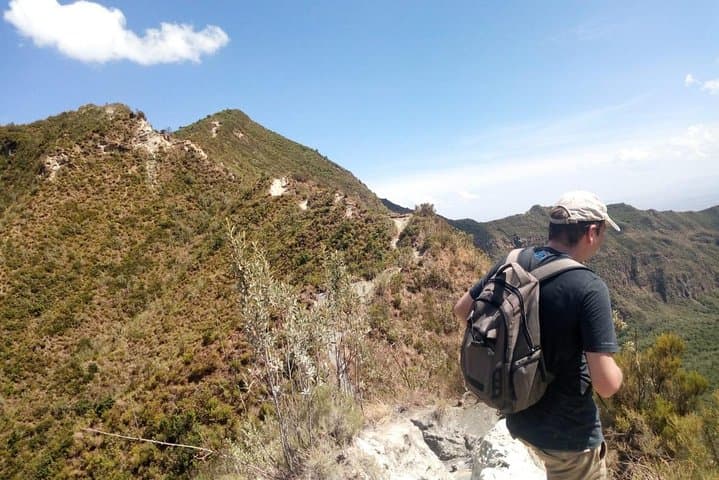
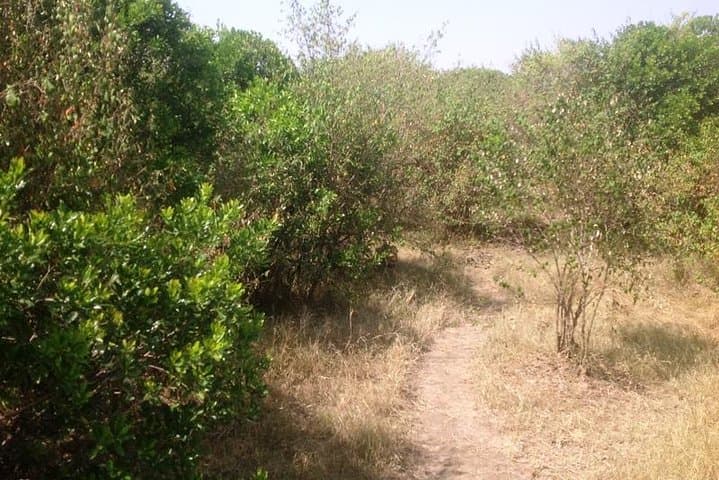
Morning light breaks over the Great Rift Valley and Mt Longonot’s black silhouette slices the sky. You start on a gravel road, climb through acacia-studded slopes and feel the mountain pulling you upward; the trail turns steeper, then opens onto the crater rim where wind pushes at your shoulders and the valley unfolds beneath.
Verified experiences and guided adventures in the surrounding area.
Operated by Kenya Bush Expeditions Tour and Travel · Naivasha, Nakuru County
Morning light breaks over the Great Rift Valley and Mt Longonot’s black silhouette slices the sky. You start on a gravel road, climb through acacia-studded slopes and feel the mountain pulling you upward; the trail turns steeper, then opens onto the crater rim where wind pushes at your shoulders and the valley unfolds beneath.
Geology here is blunt: Longonot is an extinct stratovolcano that rises to about 2,780 m (≈9,100 ft), its broad crater ringed by a trail that reveals old lava flows and a mosaic of grasses and scrub. The crater floor holds a surprising stand of forest; the rim offers long views across the Rift and toward Lake Naivasha. Cattle paths and local farms mark the surrounding countryside, and Maasai and Kikuyu communities have long shaped the region’s cultural landscape.
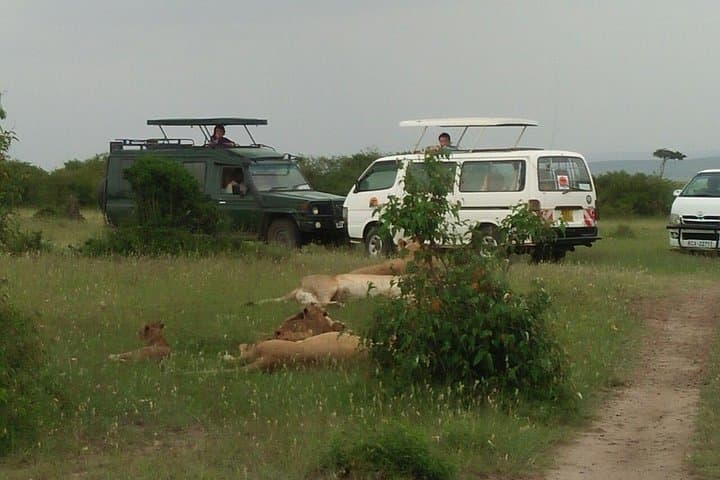
Expect a sustained, sometimes steep ascent on rocky, often exposed trails. Weather shifts quickly—sun can bake the ridge, while clouds can bring sudden wind and mist. Wildlife is present but shy; gazelles and giraffes graze on the lower slopes, and buffalo may wander the plains below.
Practical guidance: allow 4–6 hours for the hike itself (the full Nairobi tour runs longer with transport), carry 1.5–2 L of water, wear grippy footwear, and start early to avoid midday heat. Park fees and a guide are standard; stick to the marked rim loop to protect fragile volcanic soils. With straightforward planning, the crater rim rewards effort with panoramic Rift Valley views and a close-up lesson in East African volcanic terrain.
challenging.
4–6 hours.
Best for hikers with good cardiovascular fitness and strong legs; expect sustained climbing and exposed ridge walking.
The rim loop is typically completed in 4–6 hours for hikers, depending on pace and stops; the full tour from Nairobi includes transport and runs longer.
Yes—entry fees to Mount Longonot National Park are required and tours generally include a guide who handles permits and navigation.
Expect to see grazers like gazelles and possibly giraffes or buffalo on lower slopes; large predators are rare along the trail but keep distance from any wildlife.
Dry months offer more stable trails and clearer views; avoid heavy rains when trails become slippery and visibility drops.
Longonot is an extinct volcano formed by Rift Valley tectonics; its crater and surrounding plains have long supported pastoral and agricultural communities.
Mount Longonot is protected as a national park; visitors should pay fees, stay on trails, and avoid disturbing wildlife to limit erosion and habitat damage.
Kenya Bush Expeditions Tour and Travel operates guided outdoor trips and adventures with an emphasis on safety, stewardship, and memorable experiences.
Morning light breaks over the Great Rift Valley and Mt Longonot’s black silhouette slices the sky. You start on a gravel road, climb through acacia-studded slopes and feel the mountain pulling you upward; the trail turns steeper, then opens onto the crater rim where wind pushes at your shoulders and the valley unfolds beneath.
Morning light breaks over the Great Rift Valley and Mt Longonot’s black silhouette slices the sky. You start on a gravel road, climb through acacia-studded slopes and feel the mountain pulling you upward; the trail turns steeper, then opens onto the crater rim where wind pushes at your shoulders and the valley unfolds beneath.
Geology here is blunt: Longonot is an extinct stratovolcano that rises to about 2,780 m (≈9,100 ft), its broad crater ringed by a trail that reveals old lava flows and a mosaic of grasses and scrub. The crater floor holds a surprising stand of forest; the rim offers long views across the Rift and toward Lake Naivasha. Cattle paths and local farms mark the surrounding countryside, and Maasai and Kikuyu communities have long shaped the region’s cultural landscape.
Expect a sustained, sometimes steep ascent on rocky, often exposed trails. Weather shifts quickly—sun can bake the ridge, while clouds can bring sudden wind and mist. Wildlife is present but shy; gazelles and giraffes graze on the lower slopes, and buffalo may wander the plains below.
Practical guidance: allow 4–6 hours for the hike itself (the full Nairobi tour runs longer with transport), carry 1.5–2 L of water, wear grippy footwear, and start early to avoid midday heat. Park fees and a guide are standard; stick to the marked rim loop to protect fragile volcanic soils. With straightforward planning, the crater rim rewards effort with panoramic Rift Valley views and a close-up lesson in East African volcanic terrain.