THE ADVENTURE COLLECTIVE® · Independent discovery and booking for outdoor travel

A five-day trek up Mount Kenya's Sirimon route that climbs from montane forest to the high moorlands and a pre-dawn summit push to Point Lenana. Expect long days, alpine weather swings and spectacular valley views—permits and a guide are required.
A five-day trek up Mount Kenya's Sirimon route that climbs from montane forest to the high moorlands and a pre-dawn summit push to Point Lenana. Expect long days, alpine weather swings and spectacular valley views—permits and a guide are required.
You leave Nairobi before dawn, tarmac slipping away as the road climbs toward Nanyuki and the first broad shoulders of Mount Kenya come into view. At Sirimon Gate the air sharpens; the trail dives into montane forest, then opens into heath and moorland where giant lobelias and senecio stand like slow-moving sentinels. Over five days you move from 2,440m at the gate to camps at ~3,300m (Judmaier/Old Moses), ~4,200m (Shipton), and finally the pre-dawn push to Point Lenana (4,985m).
Verified experiences and guided adventures in the surrounding area.
Operated by Trav-Interactive · Nanyuki, Laikipia County
You leave Nairobi before dawn, tarmac slipping away as the road climbs toward Nanyuki and the first broad shoulders of Mount Kenya come into view. At Sirimon Gate the air sharpens; the trail dives into montane forest, then opens into heath and moorland where giant lobelias and senecio stand like slow-moving sentinels. Over five days you move from 2,440m at the gate to camps at ~3,300m (Judmaier/Old Moses), ~4,200m (Shipton), and finally the pre-dawn push to Point Lenana (4,985m).
Geology and history are visible beneath your boots: eroded volcanic plugs, glacial cirques and the wide Mackinder Valley carved by ancient ice. European surveyors and climbers in the late 19th and early 20th centuries—names like Mackinder and Shipton—mapped routes now used by trekkers; the mountain also holds meaning for local Kikuyu and Meru communities who traditionally regard it as a sacred water tower.
Expect varied terrain: packed forest tracks, steep stone gullies, high-altitude moorland and rocky scree on final approaches. Weather turns fast—clear mornings can flip to wind and sleet at night.
Practical guidance: acclimatize on gradual gains, sleep low and hike high where possible, and plan the summit push for 2–4am to catch sunrise from Lenana. Permits from Mount Kenya National Park are mandatory; hire experienced guides and porters for safety and local knowledge. Bring multi-layer clothing, a warm sleeping bag rated to sub-zero temperatures, good boots and trekking poles. Hydrate continuously and respect fragile alpine vegetation—use established campsites and pack out waste.
challenging.
5 days.
Best for hikers with regular multi-day trekking experience and good cardiovascular fitness; be prepared for sustained ascents and high-altitude exposure.
Yes — Mount Kenya National Park permits are required and are typically arranged through your operator or at the park offices; guides will help secure them.
The Sirimon route to Point Lenana is non-technical trekking; reaching the higher technical peaks (Batian/Bor) requires climbing experience and equipment.
The driest, most stable windows are January–March and July–September; avoid the long rains (March–May) when trails can be boggy and visibility poor.
Moderate to strong fitness for sustained daily distances (up to ~17 km) and multi-day elevation gain; prior multi-day hikes and cardiovascular training are recommended.
European surveyors like Halford Mackinder and later climbers established routes; many valley and camp names reflect that early exploration while local communities have long-held cultural ties to the mountain.
Mount Kenya is a protected national park and UNESCO biosphere; stick to marked trails, use established campsites and carry out all non-biodegradable waste to protect fragile alpine moorland.
Trav-Interactive operates guided outdoor trips and adventures with an emphasis on safety, stewardship, and memorable experiences.
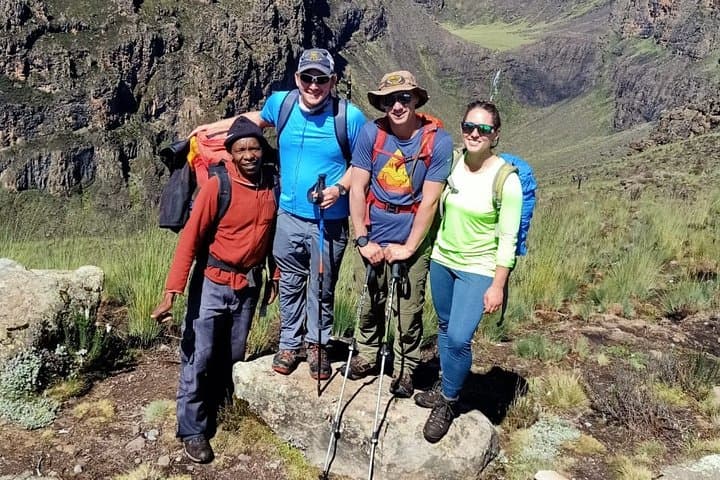
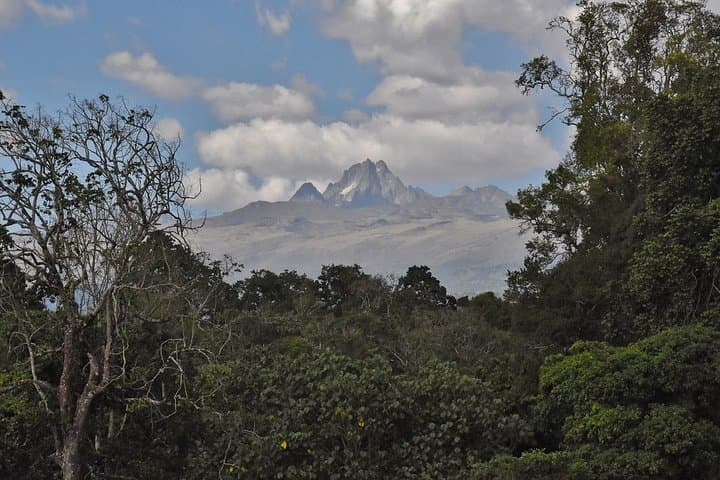
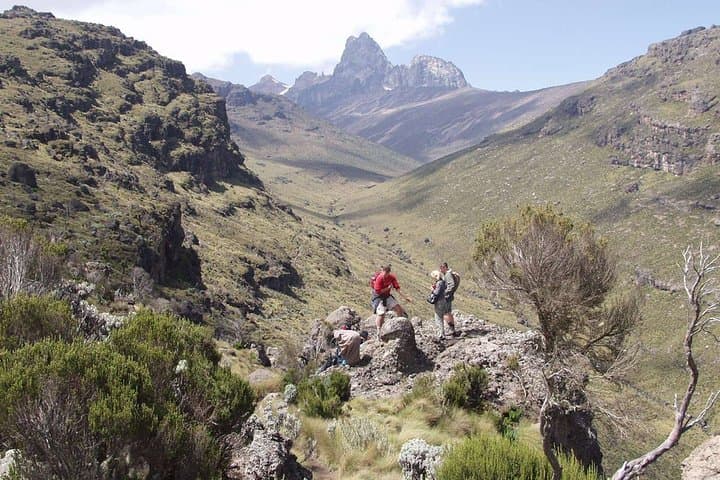
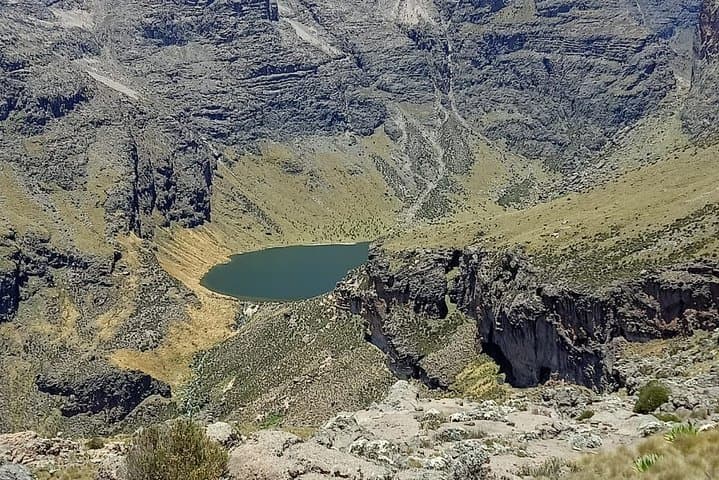
You leave Nairobi before dawn, tarmac slipping away as the road climbs toward Nanyuki and the first broad shoulders of Mount Kenya come into view. At Sirimon Gate the air sharpens; the trail dives into montane forest, then opens into heath and moorland where giant lobelias and senecio stand like slow-moving sentinels. Over five days you move from 2,440m at the gate to camps at ~3,300m (Judmaier/Old Moses), ~4,200m (Shipton), and finally the pre-dawn push to Point Lenana (4,985m).
You leave Nairobi before dawn, tarmac slipping away as the road climbs toward Nanyuki and the first broad shoulders of Mount Kenya come into view. At Sirimon Gate the air sharpens; the trail dives into montane forest, then opens into heath and moorland where giant lobelias and senecio stand like slow-moving sentinels. Over five days you move from 2,440m at the gate to camps at ~3,300m (Judmaier/Old Moses), ~4,200m (Shipton), and finally the pre-dawn push to Point Lenana (4,985m).
Geology and history are visible beneath your boots: eroded volcanic plugs, glacial cirques and the wide Mackinder Valley carved by ancient ice. European surveyors and climbers in the late 19th and early 20th centuries—names like Mackinder and Shipton—mapped routes now used by trekkers; the mountain also holds meaning for local Kikuyu and Meru communities who traditionally regard it as a sacred water tower.
Expect varied terrain: packed forest tracks, steep stone gullies, high-altitude moorland and rocky scree on final approaches. Weather turns fast—clear mornings can flip to wind and sleet at night.
Practical guidance: acclimatize on gradual gains, sleep low and hike high where possible, and plan the summit push for 2–4am to catch sunrise from Lenana. Permits from Mount Kenya National Park are mandatory; hire experienced guides and porters for safety and local knowledge. Bring multi-layer clothing, a warm sleeping bag rated to sub-zero temperatures, good boots and trekking poles. Hydrate continuously and respect fragile alpine vegetation—use established campsites and pack out waste.