THE ADVENTURE COLLECTIVE® · Independent discovery and booking for outdoor travel

Walk ancient trails to a sacred waterfall and take part in takigyo (waterfall meditation) on Mt. Inunaki, then soothe sore muscles in a traditional onsen. This guided day trip pairs moderate hiking with deep cultural context and supervised cold‑water practice.
Walk ancient trails to a sacred waterfall and take part in takigyo (waterfall meditation) on Mt. Inunaki, then soothe sore muscles in a traditional onsen. This guided day trip pairs moderate hiking with deep cultural context and supervised cold‑water practice.
A cool mountain mist wraps the trail as you step off the bus and into the shadow of Mt. Inunaki. Birdsong and the rush of a stream set the pace; the path climbs through mixed broadleaf forest, roots and stone testing focus as much as footing. Within an hour the trees thin and you can hear the waterfall long before you see it — a vertical rope of water that dares you to stand beneath it.
Verified experiences and guided adventures in the surrounding area.
Operated by icpトラベル · Izumisano, Osaka Prefecture
A cool mountain mist wraps the trail as you step off the bus and into the shadow of Mt. Inunaki. Birdsong and the rush of a stream set the pace; the path climbs through mixed broadleaf forest, roots and stone testing focus as much as footing. Within an hour the trees thin and you can hear the waterfall long before you see it — a vertical rope of water that dares you to stand beneath it.
Mt. Inunaki has long been part of Japan’s mountain-ascetic tradition, Shugen‑do, where pilgrims practiced austerities to build physical and spiritual resilience. Geologically the ridge is modest — rolling granite and schist under a carpet of leaf litter — but its cultural gravity is what has drawn seekers for centuries. The area’s temples, including Sipporyuji, and nearby hot springs reflect a local culture that blends ritual with everyday life.
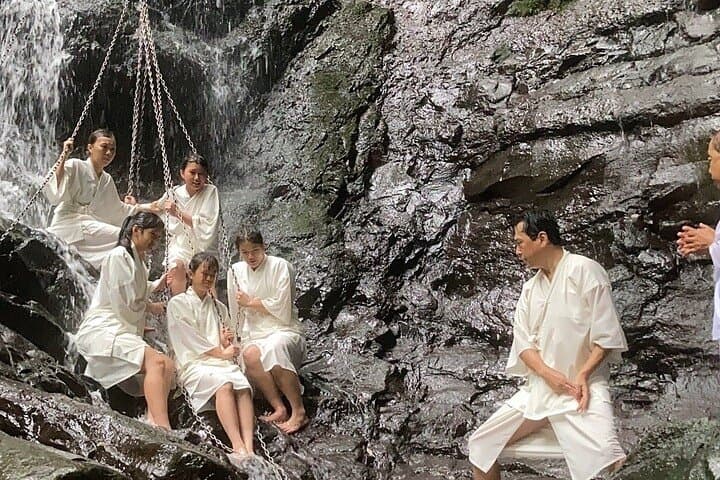
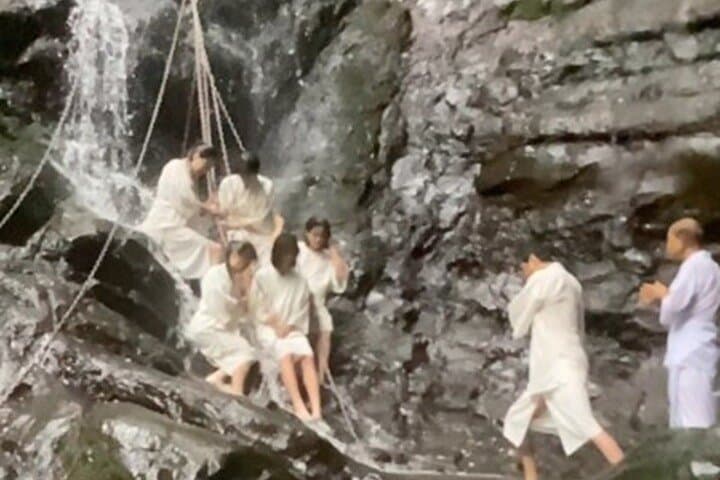
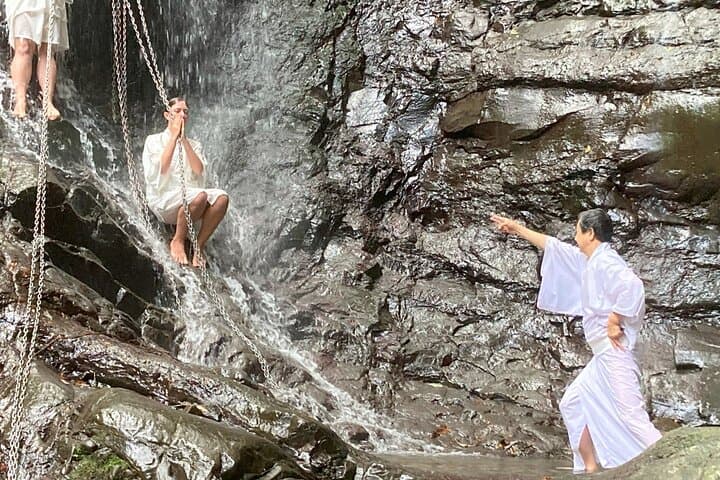
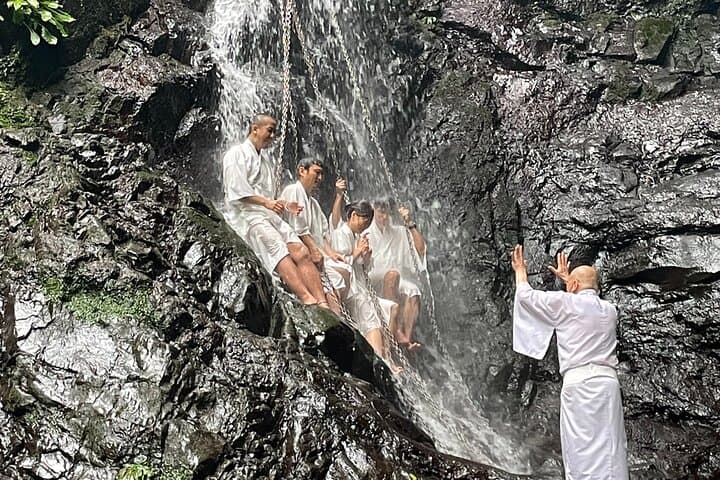
Expect guided instruction in takigyo (waterfall meditation), a controlled cold‑water immersion under a supervised setting, followed by restorative time at Fudouguchi‑Kan onsen. The guide provides context on etiquette, safety, and the history that makes this place unique: Mt. Inunaki’s reputation as a center for inclusive practice — open to women and men — is a notable cultural detail.
Practical notes: trails are steep in sections with exposed roots; waterproof layers and a change of clothes are essential because you will get wet. Public transit from Izumisano Station takes about 35 minutes; total program time runs around seven hours. Pace yourself, keep hydrated, and honor local rules in the temple and onsen — quiet, respectful behavior is required.
moderate.
7 hours.
Participants should have a moderate fitness base: comfortable with sustained uphill walking, uneven terrain, and brief cold‑water exposure.
The tour is rated moderate: expect several uphill sections, uneven footing, and a total outing time of about seven hours; basic hiking fitness is recommended.
Yes — the practice is guided and progressive, but you must be comfortable with cold‑water exposure and able to follow safety instructions from the guide.
Take a train to Izumisano Station, then the local bus to the trailhead (about a 35‑minute bus ride); public transit is included in the tour inclusions for the group transfer portion.
Not recommended for pregnant travelers, people with serious cardiovascular or spinal conditions, or anyone medically advised against cold immersion; disclose health issues when booking.
Mt. Inunaki is historically tied to Shugen‑do — mountain ascetic practices combining Shinto and Buddhist elements — and is known locally as an accessible site for takigyo that welcomes both men and women.
Trails are narrow and sensitive; stay on designated paths, carry out trash, and avoid using soap in streams to protect water quality and onsen sources.
icpトラベル operates guided outdoor trips and adventures with an emphasis on safety, stewardship, and memorable experiences.
A cool mountain mist wraps the trail as you step off the bus and into the shadow of Mt. Inunaki. Birdsong and the rush of a stream set the pace; the path climbs through mixed broadleaf forest, roots and stone testing focus as much as footing. Within an hour the trees thin and you can hear the waterfall long before you see it — a vertical rope of water that dares you to stand beneath it.
A cool mountain mist wraps the trail as you step off the bus and into the shadow of Mt. Inunaki. Birdsong and the rush of a stream set the pace; the path climbs through mixed broadleaf forest, roots and stone testing focus as much as footing. Within an hour the trees thin and you can hear the waterfall long before you see it — a vertical rope of water that dares you to stand beneath it.
Mt. Inunaki has long been part of Japan’s mountain-ascetic tradition, Shugen‑do, where pilgrims practiced austerities to build physical and spiritual resilience. Geologically the ridge is modest — rolling granite and schist under a carpet of leaf litter — but its cultural gravity is what has drawn seekers for centuries. The area’s temples, including Sipporyuji, and nearby hot springs reflect a local culture that blends ritual with everyday life.
Expect guided instruction in takigyo (waterfall meditation), a controlled cold‑water immersion under a supervised setting, followed by restorative time at Fudouguchi‑Kan onsen. The guide provides context on etiquette, safety, and the history that makes this place unique: Mt. Inunaki’s reputation as a center for inclusive practice — open to women and men — is a notable cultural detail.
Practical notes: trails are steep in sections with exposed roots; waterproof layers and a change of clothes are essential because you will get wet. Public transit from Izumisano Station takes about 35 minutes; total program time runs around seven hours. Pace yourself, keep hydrated, and honor local rules in the temple and onsen — quiet, respectful behavior is required.