THE ADVENTURE COLLECTIVE® · Independent discovery and booking for outdoor travel

A full-day tour from Shinjuku that combines a panoramic ropeway ride, seasonal fruit picking, and curated scenic stops around Mt. Fuji. Expect lakeside views, local Houtou lunch, and changing landscapes by season.
A full-day tour from Shinjuku that combines a panoramic ropeway ride, seasonal fruit picking, and curated scenic stops around Mt. Fuji. Expect lakeside views, local Houtou lunch, and changing landscapes by season.
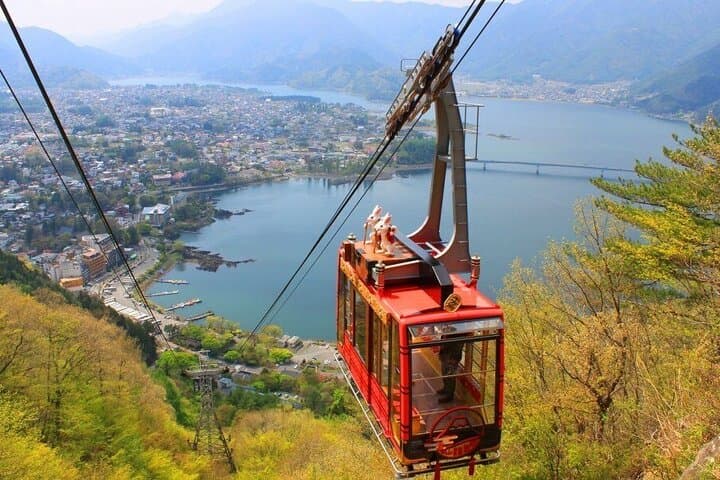
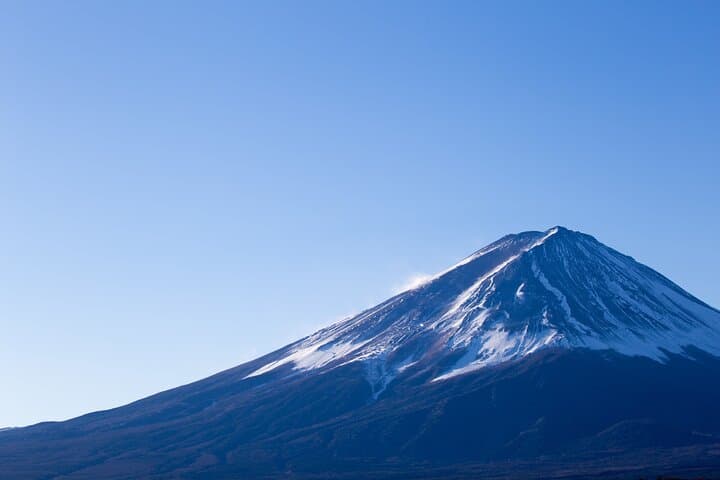
You step out of Shinjuku's hum into a glass-fronted coach and the city peels away; by midmorning the Kawaguchiko Ropeway lifts you above rippling fields and the first clear angles of Mt. Fuji appear — stern, volcanic, and surprisingly close.
Verified experiences and guided adventures in the surrounding area.
Operated by H.I.S.Co., Ltd. · Fujikawaguchiko, Yamanashi
You step out of Shinjuku's hum into a glass-fronted coach and the city peels away; by midmorning the Kawaguchiko Ropeway lifts you above rippling fields and the first clear angles of Mt. Fuji appear — stern, volcanic, and surprisingly close.
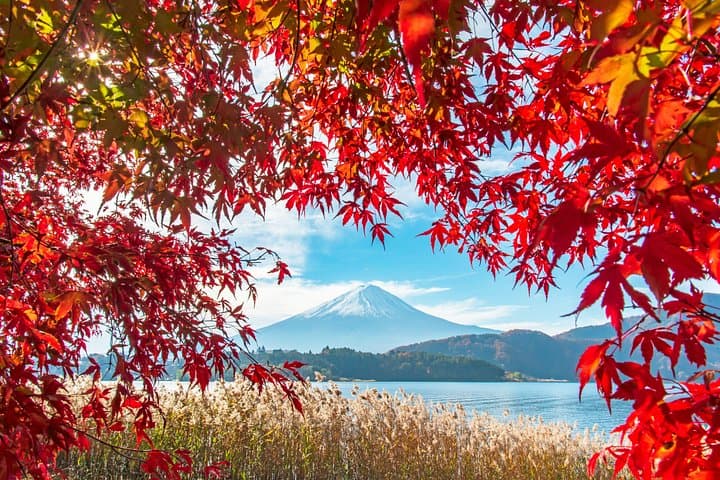
The route threads modern visitor centers, lakes that mirror the peak, and small farms that have fed local communities for generations. Geologically, Fuji is a stratovolcano whose repeated eruptions sculpted the five lakes and terraces you’ll pass; culturally, the mountain has been a center of pilgrimage and art for centuries, its image woven into Edo-period prints and modern pilgrimage trails.
Depending on season you’ll stroll lavender in Oishi Park, stand amid shibazakura (pink moss) at Motosuko, visit the traditional thatched houses of Saiko Iyashi no Sato, or climb briefly toward the 5th Station for alpine air and broader views. The ropeway provides a bird’s-eye perspective of Lake Kawaguchi and the volcanic silhouette beyond; fruit farms nearby supply seasonal tastings and the included houtou lunch — a hearty Yamanashi noodle stew.
Practical edge: weather and visibility change fast — bring layered clothing, comfortable walking shoes, and a camera with lens hood. Tours run about 10–11 hours; expect short walks, some stairs at viewpoints, and farm paths that can be muddy. Arrive early in Shinjuku, keep expectations flexible (Fuji can hide in cloud), and treat local farms and trails with Leave No Trace respect for a smoother, more responsible day out.
easy.
10–11 hours.
Suitable for most travelers—requires light walking, short stair climbs, and standing at viewpoints
Visibility depends on weather; the operator will still run the tour in cloudy conditions and may alter stops (e.g., visit Oshino Hakkai or the Fuji Visitors Center) if the summit is obscured.
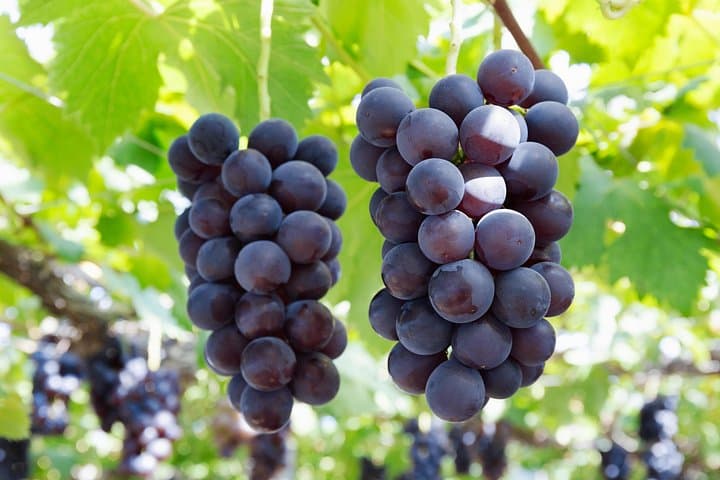
Fruit changes by season: strawberries (winter–spring), cherries (June), peaches (July), grapes (Aug–Nov), with occasional apples or oranges depending on local harvests.
The tour involves short walks, stairs at ropeway stations, and uneven farm paths; it’s generally easy but not wheelchair-friendly for all stops.
Lunch is a local restaurant meal featuring Yamanashi’s houtou noodle pot set; special dietary requests should be communicated ahead to the operator.
Mt. Fuji has been a religious and artistic focus for centuries and was designated a UNESCO World Heritage site for its cultural significance and role in Japanese identity.
The Fuji Five Lakes area is managed to balance tourism and local agriculture—stay on paths, minimize waste, and support certified farms to reduce environmental impact.
H.I.S.Co., Ltd. operates guided outdoor trips and adventures with an emphasis on safety, stewardship, and memorable experiences.
You step out of Shinjuku's hum into a glass-fronted coach and the city peels away; by midmorning the Kawaguchiko Ropeway lifts you above rippling fields and the first clear angles of Mt. Fuji appear — stern, volcanic, and surprisingly close.
You step out of Shinjuku's hum into a glass-fronted coach and the city peels away; by midmorning the Kawaguchiko Ropeway lifts you above rippling fields and the first clear angles of Mt. Fuji appear — stern, volcanic, and surprisingly close.
The route threads modern visitor centers, lakes that mirror the peak, and small farms that have fed local communities for generations. Geologically, Fuji is a stratovolcano whose repeated eruptions sculpted the five lakes and terraces you’ll pass; culturally, the mountain has been a center of pilgrimage and art for centuries, its image woven into Edo-period prints and modern pilgrimage trails.
Depending on season you’ll stroll lavender in Oishi Park, stand amid shibazakura (pink moss) at Motosuko, visit the traditional thatched houses of Saiko Iyashi no Sato, or climb briefly toward the 5th Station for alpine air and broader views. The ropeway provides a bird’s-eye perspective of Lake Kawaguchi and the volcanic silhouette beyond; fruit farms nearby supply seasonal tastings and the included houtou lunch — a hearty Yamanashi noodle stew.
Practical edge: weather and visibility change fast — bring layered clothing, comfortable walking shoes, and a camera with lens hood. Tours run about 10–11 hours; expect short walks, some stairs at viewpoints, and farm paths that can be muddy. Arrive early in Shinjuku, keep expectations flexible (Fuji can hide in cloud), and treat local farms and trails with Leave No Trace respect for a smoother, more responsible day out.