THE ADVENTURE COLLECTIVE® · Independent discovery and booking for outdoor travel

A private driver shuttles you from Tokyo to Mount Fuji’s best photo vantage points—Chureito Pagoda, Lake Kawaguchi, Oshino Hakkai and the Dream Bridge—optimizing timing for light and views. Expect easy walking, strategic stops, and outstanding photographic opportunities.
A private driver shuttles you from Tokyo to Mount Fuji’s best photo vantage points—Chureito Pagoda, Lake Kawaguchi, Oshino Hakkai and the Dream Bridge—optimizing timing for light and views. Expect easy walking, strategic stops, and outstanding photographic opportunities.
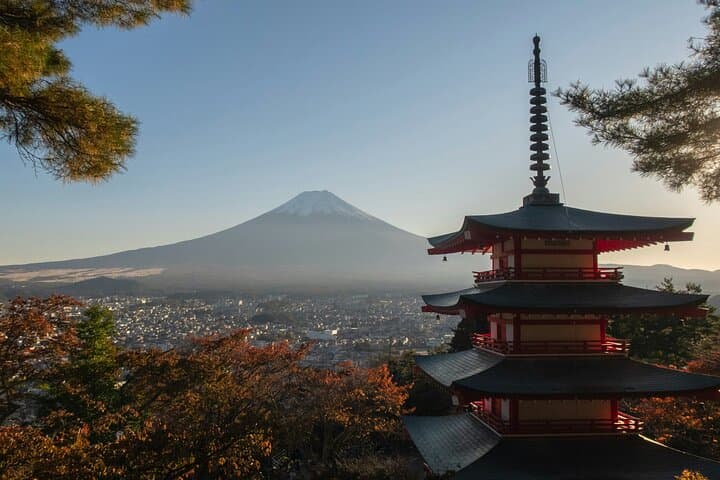
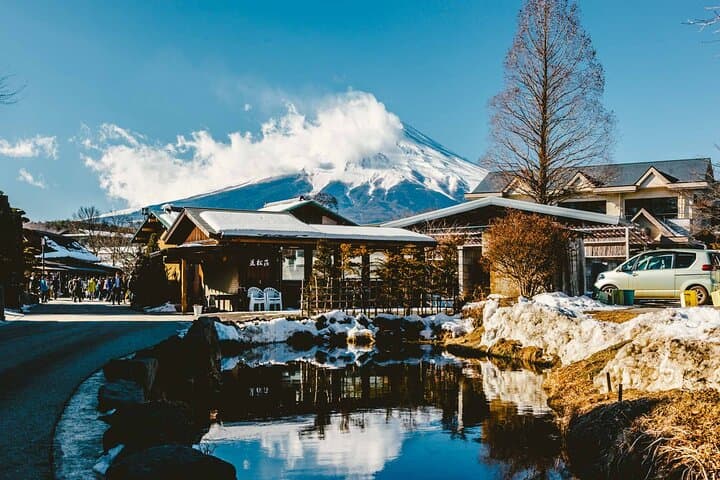
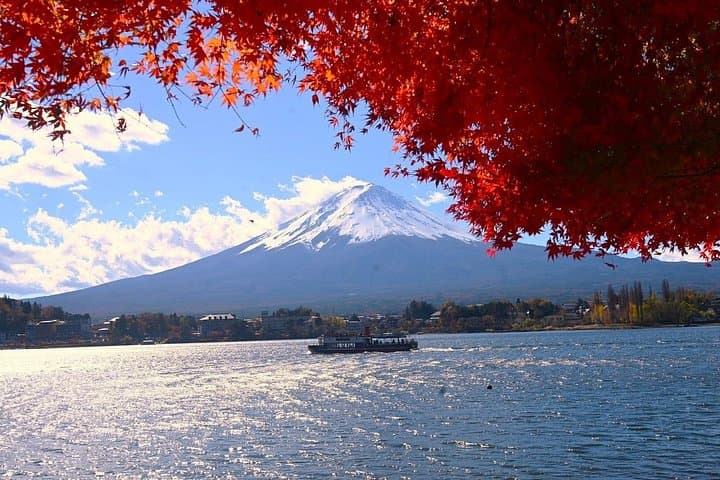
Standing on the slope above Fujiyoshida, the Chureito Pagoda frames Mount Fuji like a deliberate portrait—snow-capped, immovable, and shifting with the light. A private driver eases the logistics, leaving the traveler free to chase the mountain’s moods: glittering reflections on Lake Kawaguchi, clear springs at Oshino Hakkai, and the long silhouette of Fuji softened at sunset from the Dream Bridge.
Verified experiences and guided adventures in the surrounding area.
Operated by Zenjap Travel · Fujikawaguchiko, Yamanashi Prefecture
Standing on the slope above Fujiyoshida, the Chureito Pagoda frames Mount Fuji like a deliberate portrait—snow-capped, immovable, and shifting with the light. A private driver eases the logistics, leaving the traveler free to chase the mountain’s moods: glittering reflections on Lake Kawaguchi, clear springs at Oshino Hakkai, and the long silhouette of Fuji softened at sunset from the Dream Bridge.
Geology here is blunt and readable: Mount Fuji is a composite stratovolcano formed by layered eruptions over millennia, its cone rising abruptly from the surrounding plains. Culturally, Fuji has been both a pilgrimage site and an artist’s subject; Arakura Sengen shrine and the Chureito Pagoda are modern markers of a long spiritual relationship between locals and the peak.
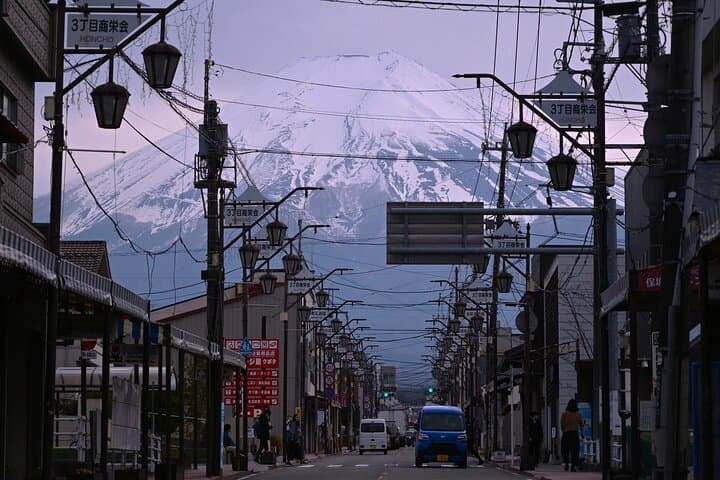
Expect short walks, roadside viewpoints, and carefully timed photo stops rather than strenuous hiking. The itinerary favors accessible vantage points—honcho shopping lanes for street scenes, Lawson’s Kawaguchiko for quirky foregrounds, and Oishi Park for flower-field compositions. The driver doubles as logistical support; multilingual service smooths timing and local navigation.
Practical guidance: aim for early morning or late afternoon light for the sharpest views and fewer crowds. Carry small change for local purchases, bring a mid-weight jacket for gusts off the lake, and leave room on your schedule for a spontaneous stop when Fuji reveals itself. Be mindful of visibility—Fuji can hide behind haze or cloud—and plan a flexible day. This is a photo-focused, low-impact day trip suited to travelers wanting maximum scenery with minimal exertion.
easy.
9–10 hours.
Light activity—suitable for most people who can manage short walks and stairs
No—this private day trip focuses on accessible viewpoints and short walks; it does not include ascending Mount Fuji.
Visibility cannot be guaranteed; clear views depend on weather and season—early morning and cold winter days often offer the best clarity.
The tour typically starts and ends in Tokyo with hotel pickup and drop-off provided by the driver, timed to your booking window.
Yes; the itinerary is described as suitable for all fitness levels and includes minimal physical strain, though some stairs at vantage points are involved.
Mount Fuji is an active stratovolcano with centuries of spiritual significance; shrines like Arakura Sengen and the Chureito Pagoda reflect local devotional traditions and early 20th-century memorial architecture.
Stick to marked paths, avoid trampling lakeside vegetation, and pack out trash—high visitor numbers make low-impact behavior important for the Fuji Five Lakes region.
Zenjap Travel operates guided outdoor trips and adventures with an emphasis on safety, stewardship, and memorable experiences.
Standing on the slope above Fujiyoshida, the Chureito Pagoda frames Mount Fuji like a deliberate portrait—snow-capped, immovable, and shifting with the light. A private driver eases the logistics, leaving the traveler free to chase the mountain’s moods: glittering reflections on Lake Kawaguchi, clear springs at Oshino Hakkai, and the long silhouette of Fuji softened at sunset from the Dream Bridge.
Standing on the slope above Fujiyoshida, the Chureito Pagoda frames Mount Fuji like a deliberate portrait—snow-capped, immovable, and shifting with the light. A private driver eases the logistics, leaving the traveler free to chase the mountain’s moods: glittering reflections on Lake Kawaguchi, clear springs at Oshino Hakkai, and the long silhouette of Fuji softened at sunset from the Dream Bridge.
Geology here is blunt and readable: Mount Fuji is a composite stratovolcano formed by layered eruptions over millennia, its cone rising abruptly from the surrounding plains. Culturally, Fuji has been both a pilgrimage site and an artist’s subject; Arakura Sengen shrine and the Chureito Pagoda are modern markers of a long spiritual relationship between locals and the peak.
Expect short walks, roadside viewpoints, and carefully timed photo stops rather than strenuous hiking. The itinerary favors accessible vantage points—honcho shopping lanes for street scenes, Lawson’s Kawaguchiko for quirky foregrounds, and Oishi Park for flower-field compositions. The driver doubles as logistical support; multilingual service smooths timing and local navigation.
Practical guidance: aim for early morning or late afternoon light for the sharpest views and fewer crowds. Carry small change for local purchases, bring a mid-weight jacket for gusts off the lake, and leave room on your schedule for a spontaneous stop when Fuji reveals itself. Be mindful of visibility—Fuji can hide behind haze or cloud—and plan a flexible day. This is a photo-focused, low-impact day trip suited to travelers wanting maximum scenery with minimal exertion.