THE ADVENTURE COLLECTIVE® · Independent discovery and booking for outdoor travel

Spend a day outside Tokyo photographing Mt. Fuji framed by vast carpets of pink moss and spring cherry blossoms. This guided bus tour pairs the Fuji Shibazakura Festival with traditional village ponds and highland flower parks for efficient, scenic stops.
Spend a day outside Tokyo photographing Mt. Fuji framed by vast carpets of pink moss and spring cherry blossoms. This guided bus tour pairs the Fuji Shibazakura Festival with traditional village ponds and highland flower parks for efficient, scenic stops.
A cold wind off the mountain slices across the observation field and the pink moss seems to lean into the view, as if straining to frame Mt. Fuji. On this full-day loop from Tokyo, the bus deposits you at wide, low-lying fields where 500,000 shibazakura flowers bloom in carpets of pink and white; Fuji’s cone rises above them, calm and indifferent, filling the background of every frame.
Verified experiences and guided adventures in the surrounding area.
Operated by TOURSTORY · Fujikawaguchiko, Yamanashi Prefecture
A cold wind off the mountain slices across the observation field and the pink moss seems to lean into the view, as if straining to frame Mt. Fuji. On this full-day loop from Tokyo, the bus deposits you at wide, low-lying fields where 500,000 shibazakura flowers bloom in carpets of pink and white; Fuji’s cone rises above them, calm and indifferent, filling the background of every frame.
This route threads together modern festival culture and older village life. The Fuji Shibazakura Festival is a recent seasonal attraction built around horticulture and photography; Oshino Hakkai preserves Edo-period village layouts and spring-fed ponds formed by centuries of Mt. Fuji meltwater. Geologically, the area is defined by volcanic deposits and glacially-influenced basins that collect clear spring water, feeding the ponds and irrigating flower parks. Locals balance tourism with rites that honor Fuji as a sacred peak in Shinto belief, and small roadside shrines still mark traditional viewpoints.
Practical guidance: expect a long day—about 10–11 hours including travel. Wear comfortable walking shoes for garden paths and cobbled village lanes; surfaces can be wet or muddy in spring. Carry a light waterproof layer and spare camera batteries—photo stops are frequent and often brief. Hydrate between bus transfers and plan restroom breaks around scheduled stops. If you want sunrise or sunset light on the mountain, arrange extra nights near Kawaguchiko rather than relying solely on the tour’s daytime schedule. Above all, respect fenced flower beds and local rules: the best photos come from patience and small steps, not trampling the blooms.
easy.
10–11 hours.
Suitable for most fitness levels; requires ability to walk short distances on uneven paths and stand for photography
No—this particular tour includes English and Korean-speaking guides, and the itinerary is designed for international travelers.
Most major stops have restrooms and food stalls, especially during the festival, but facilities vary—carry snacks and small change for vendor food.
On shared tours the guide manages schedule for all guests; short extensions may be possible but are limited—consider staying overnight in Fujikawaguchiko for more shooting time.
Yes—equipment can be stored on the bus, but keep cameras and valuables with you during stops and secure larger gear in checked luggage if you prefer minimal handling.
Mt. Fuji is a historically sacred peak in Shinto and a long-standing subject in Japanese art; villages around the mountain retain Edo-era layouts and water systems fed by Fuji’s meltwater.
The area lies within and adjacent to protected parkland—stay on marked paths, avoid picking flowers, and follow festival guidance to limit trampling and habitat disturbance.
TOURSTORY operates guided outdoor trips and adventures with an emphasis on safety, stewardship, and memorable experiences.
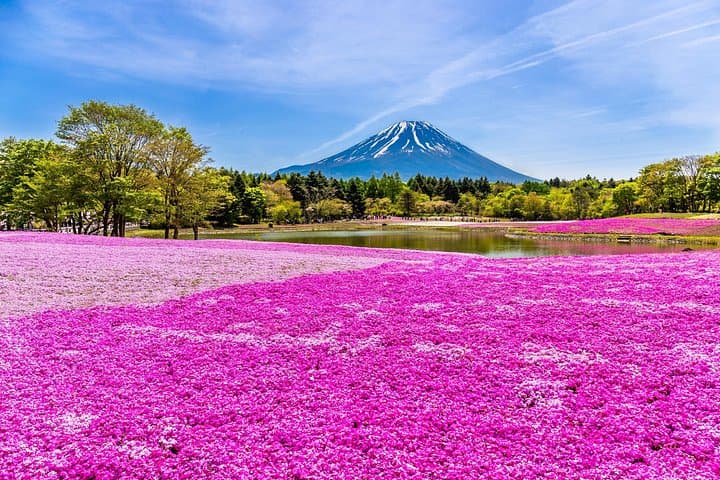
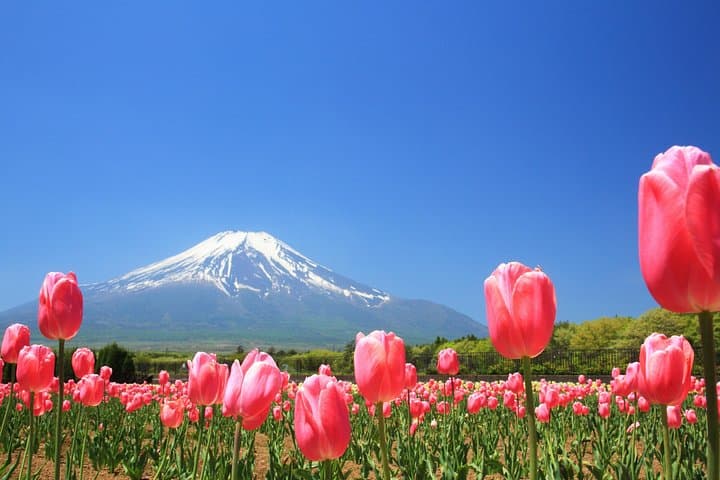
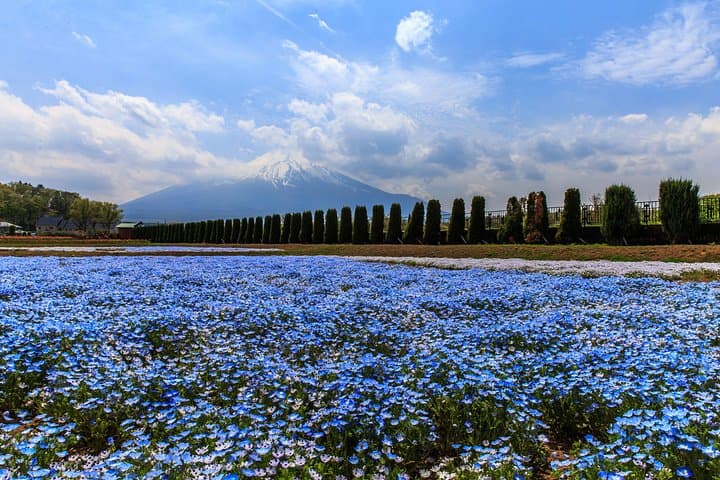
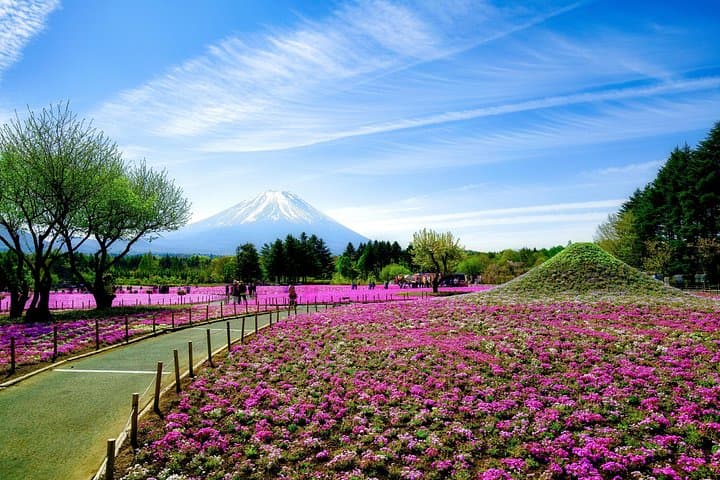
A cold wind off the mountain slices across the observation field and the pink moss seems to lean into the view, as if straining to frame Mt. Fuji. On this full-day loop from Tokyo, the bus deposits you at wide, low-lying fields where 500,000 shibazakura flowers bloom in carpets of pink and white; Fuji’s cone rises above them, calm and indifferent, filling the background of every frame.
A cold wind off the mountain slices across the observation field and the pink moss seems to lean into the view, as if straining to frame Mt. Fuji. On this full-day loop from Tokyo, the bus deposits you at wide, low-lying fields where 500,000 shibazakura flowers bloom in carpets of pink and white; Fuji’s cone rises above them, calm and indifferent, filling the background of every frame.
This route threads together modern festival culture and older village life. The Fuji Shibazakura Festival is a recent seasonal attraction built around horticulture and photography; Oshino Hakkai preserves Edo-period village layouts and spring-fed ponds formed by centuries of Mt. Fuji meltwater. Geologically, the area is defined by volcanic deposits and glacially-influenced basins that collect clear spring water, feeding the ponds and irrigating flower parks. Locals balance tourism with rites that honor Fuji as a sacred peak in Shinto belief, and small roadside shrines still mark traditional viewpoints.
Practical guidance: expect a long day—about 10–11 hours including travel. Wear comfortable walking shoes for garden paths and cobbled village lanes; surfaces can be wet or muddy in spring. Carry a light waterproof layer and spare camera batteries—photo stops are frequent and often brief. Hydrate between bus transfers and plan restroom breaks around scheduled stops. If you want sunrise or sunset light on the mountain, arrange extra nights near Kawaguchiko rather than relying solely on the tour’s daytime schedule. Above all, respect fenced flower beds and local rules: the best photos come from patience and small steps, not trampling the blooms.