THE ADVENTURE COLLECTIVE® · Independent discovery and booking for outdoor travel

See Mount Fuji from multiple angles in one deliberate day: lakeside vistas, a village lunch of hoto udon, sake sampling and an onsen soak. This small-group car tour prioritizes varied perspectives and cultural stops over the typical bus-route photos.
See Mount Fuji from multiple angles in one deliberate day: lakeside vistas, a village lunch of hoto udon, sake sampling and an onsen soak. This small-group car tour prioritizes varied perspectives and cultural stops over the typical bus-route photos.
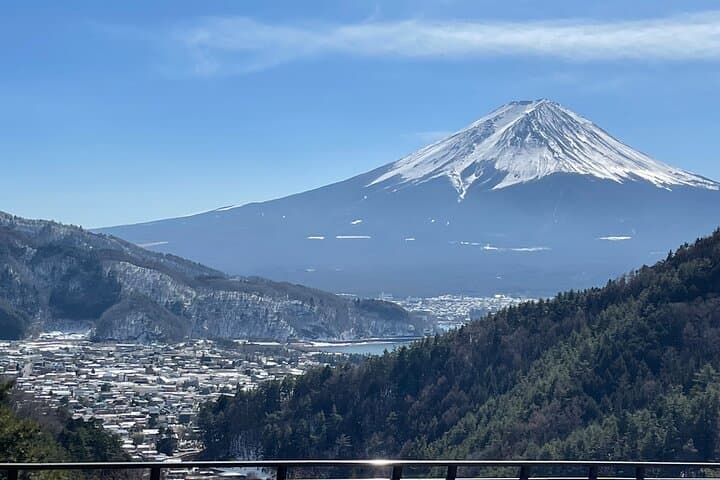
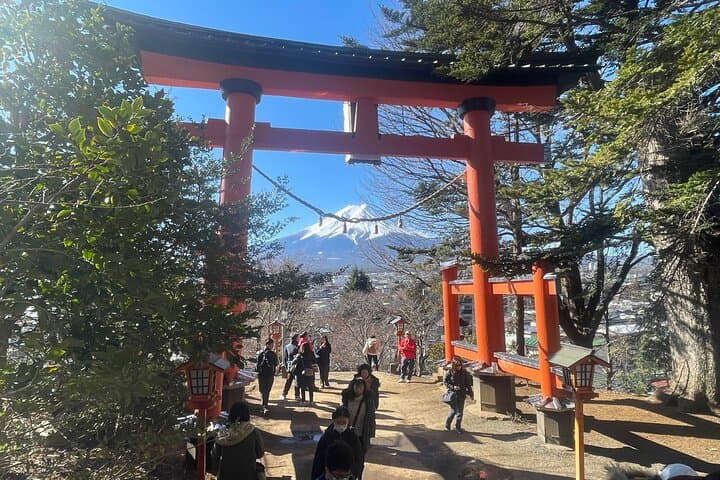
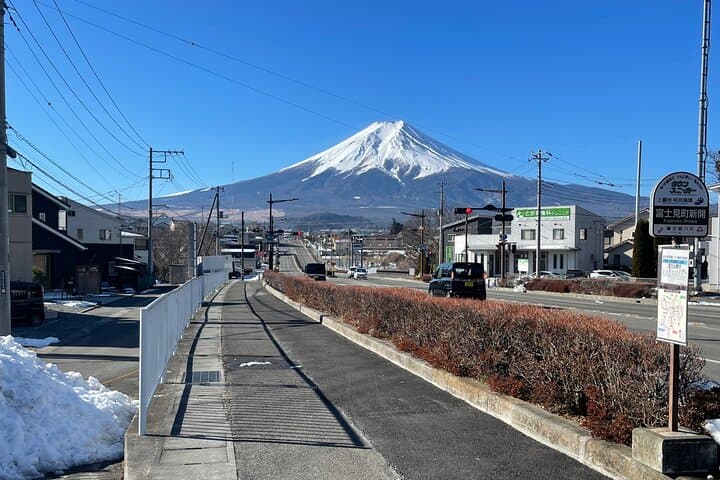
A cold wind cuts across the windshield as the outline of Mount Fuji appears on the horizon—sudden, geometric, indifferent. You move from highway to mountain road, stopping where the angle changes the mountain’s mood: framed by a Shinto torii, reflected in Kawaguchiko, dwarfed behind a wooden village. Small-group pace means time to step out, breathe rice-scented air and listen to a guide point out volcanic ridgelines and human stories.
Verified experiences and guided adventures in the surrounding area.
Operated by VAS · Fujikawaguchiko, Yamanashi
A cold wind cuts across the windshield as the outline of Mount Fuji appears on the horizon—sudden, geometric, indifferent. You move from highway to mountain road, stopping where the angle changes the mountain’s mood: framed by a Shinto torii, reflected in Kawaguchiko, dwarfed behind a wooden village. Small-group pace means time to step out, breathe rice-scented air and listen to a guide point out volcanic ridgelines and human stories.
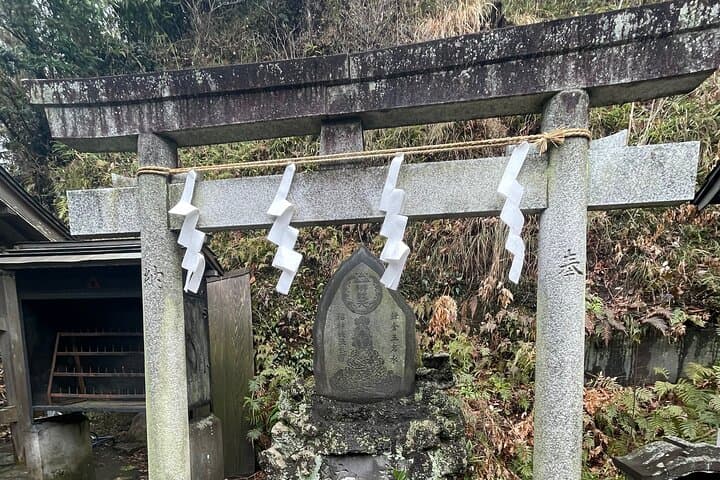
Geology here is blunt: Fuji is a stratovolcano built in layers of lava and ash, its last major eruption in 1707 shaping the surrounding valleys and lakes. Culturally the mountain has been a pilgrimage site for centuries; nearby shrines mark routes climbers once followed. The towns around Fuji developed around timber, fishing and later tourism—local foods like hoto udon reflect mountain-grown ingredients and simple, warming techniques.
Practically, expect a full day with multiple photo stops, a village lunch of hoto noodles, a sake distillery visit and a soak in an onsen with Fuji in the distance. Transit is by small air-conditioned vehicle; total driving approaches 400 km round trip so there are extended stretches of road.
Wear layered clothing for sudden wind and sun, bring a camera with a zoom for varied perspectives, and plan for modest walking—some steps and short climbs at lookout points. Hydrate and keep cash for small purchases; dietary requests can usually be accommodated with advance notice. This tour is for travelers who want curated viewpoints, cultural stops and the quiet gravity of Japan’s tallest peak without committing to a summit attempt.
moderate.
8–10 hours.
Moderate fitness: easy walking with some short climbs and steps at lookouts and cultural sites.
Most departures are arranged from central Tokyo pick-up points; confirm exact meeting location at booking as pickup varies.
Onsens typically separate by gender and require bathing etiquette; some facilities offer private family baths—ask at booking if you require a private soak.
Yes—inform the operator of allergies or dietary needs when you book so the restaurant can prepare alternatives when possible.
Expect short walks of 10–20 minutes at viewpoints and village sites, plus stairs at shrines—no long hikes are required but mobility should be moderate.
Mount Fuji has been a center of religious pilgrimage for centuries; Edo-period artists popularized its image and it later became a national symbol of Japan.
Fuji and its surrounding lakes are protected in parts by national and prefectural parks; visitors are asked to follow ‘leave no trace’ principles and respect local shrine sites to reduce erosion and cultural wear.
VAS operates guided outdoor trips and adventures with an emphasis on safety, stewardship, and memorable experiences.
A cold wind cuts across the windshield as the outline of Mount Fuji appears on the horizon—sudden, geometric, indifferent. You move from highway to mountain road, stopping where the angle changes the mountain’s mood: framed by a Shinto torii, reflected in Kawaguchiko, dwarfed behind a wooden village. Small-group pace means time to step out, breathe rice-scented air and listen to a guide point out volcanic ridgelines and human stories.
A cold wind cuts across the windshield as the outline of Mount Fuji appears on the horizon—sudden, geometric, indifferent. You move from highway to mountain road, stopping where the angle changes the mountain’s mood: framed by a Shinto torii, reflected in Kawaguchiko, dwarfed behind a wooden village. Small-group pace means time to step out, breathe rice-scented air and listen to a guide point out volcanic ridgelines and human stories.
Geology here is blunt: Fuji is a stratovolcano built in layers of lava and ash, its last major eruption in 1707 shaping the surrounding valleys and lakes. Culturally the mountain has been a pilgrimage site for centuries; nearby shrines mark routes climbers once followed. The towns around Fuji developed around timber, fishing and later tourism—local foods like hoto udon reflect mountain-grown ingredients and simple, warming techniques.
Practically, expect a full day with multiple photo stops, a village lunch of hoto noodles, a sake distillery visit and a soak in an onsen with Fuji in the distance. Transit is by small air-conditioned vehicle; total driving approaches 400 km round trip so there are extended stretches of road.
Wear layered clothing for sudden wind and sun, bring a camera with a zoom for varied perspectives, and plan for modest walking—some steps and short climbs at lookout points. Hydrate and keep cash for small purchases; dietary requests can usually be accommodated with advance notice. This tour is for travelers who want curated viewpoints, cultural stops and the quiet gravity of Japan’s tallest peak without committing to a summit attempt.