THE ADVENTURE COLLECTIVE® · Independent discovery and booking for outdoor travel

A full-day escape from Tokyo to the Mt. Fuji foothills: climb to pagoda views, stroll Kawaguchiko’s shoreline, explore a recreated thatched village, and try a beginner calligraphy lesson with Fuji in the background. Practical tips on timing, stairs, and seasonal highlights inside.
A full-day escape from Tokyo to the Mt. Fuji foothills: climb to pagoda views, stroll Kawaguchiko’s shoreline, explore a recreated thatched village, and try a beginner calligraphy lesson with Fuji in the background. Practical tips on timing, stairs, and seasonal highlights inside.
You step off the bus into a cold breath of mountain air and the view pulls every conversation toward a single silhouette: Mt. Fuji, austere and patient, watching over the lakes. At Arakurayama Sengen Park you climb stone steps to the Chureito Pagoda; the red pagoda seems to hold a frame for the volcano, while the wind along Lake Kawaguchiko pushes light across glassy water to sketch Fuji’s reflection.
Verified experiences and guided adventures in the surrounding area.
Operated by VIP Japan Tours · Fujikawaguchiko, Yamanashi
You step off the bus into a cold breath of mountain air and the view pulls every conversation toward a single silhouette: Mt. Fuji, austere and patient, watching over the lakes. At Arakurayama Sengen Park you climb stone steps to the Chureito Pagoda; the red pagoda seems to hold a frame for the volcano, while the wind along Lake Kawaguchiko pushes light across glassy water to sketch Fuji’s reflection.
This region is part of the Fuji Five Lakes, formed by ancient eruptions and dammed valleys; the mountain itself is a cultural axis, long revered in Shintō and celebrated in ukiyo-e prints. Saiko Iyashi no Sato Nenba recreates rural life with restored thatched houses that preserve Edo-period crafts and architecture, giving context to the calligraphy session you’ll try later.
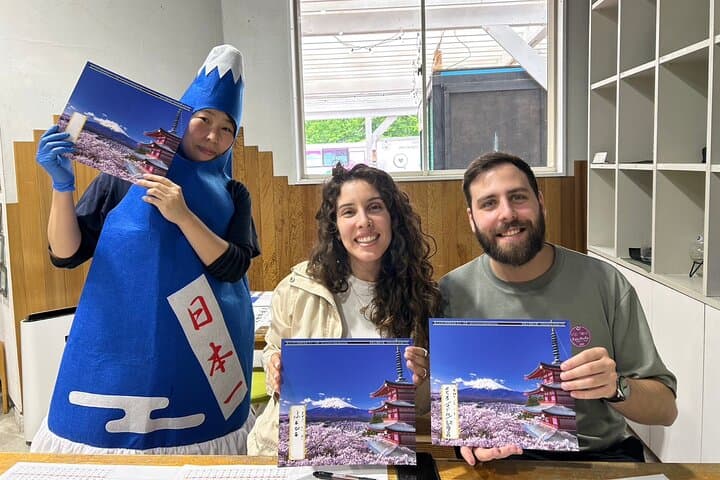
Expect easy walking interspersed with short stair climbs, lakeside promenades, and a beginner-friendly calligraphy lesson where you’ll trace kanji and photograph your work with Fuji behind it. Seasonal flowers and maple corridors shift the mood dramatically—spring cherry buds, summer greens, fiery autumn maples, and clear winter air that sharpens distant contours.
Practical edge: start early for the clearest views and bring layers — mountain weather changes faster than Tokyo’s. Carry small change for the optional 500-yen calligraphy fee, wear comfortable shoes for stair climbs at observation decks, and plan lunch at Kawaguchiko Craft Park where options are limited on busy days. Respect shrine spaces, keep to marked paths, and prepare for a full 10-hour day back in Tokyo by evening.
moderate.
10 hours.
Suitable for travelers with a moderate level of fitness—short steep stair sections and sustained walking; not technical.
The tour runs about 10 hours and departs from designated meeting points in Shinagawa and Shinjuku, with a single drop-off at Shinjuku Station West Exit.
Visibility depends on weather; mornings and winter days present the best chances, but cloud cover can obscure the mountain and the operator may continue the itinerary regardless.
Yes—no prior skill is required; instructors provide traced templates so participants can create a finished piece and photograph it with Mt. Fuji in the background.
Lunch is not included; there are restaurants and cafes at Kawaguchiko but service can be busy—bringing snacks or choosing an earlier lunch can save time.
Mount Fuji and the surrounding lakes have been culturally significant for centuries; the Five Lakes region grew as pilgrimage and leisure destinations, while Saiko Iyashi no Sato preserves traditional thatched-roof architecture.
Mt. Fuji is a UNESCO World Heritage cultural landscape; visitors are asked to stay on marked paths, minimize waste, and respect shrine buildings and rural properties to reduce visitor impact.
VIP Japan Tours operates guided outdoor trips and adventures with an emphasis on safety, stewardship, and memorable experiences.
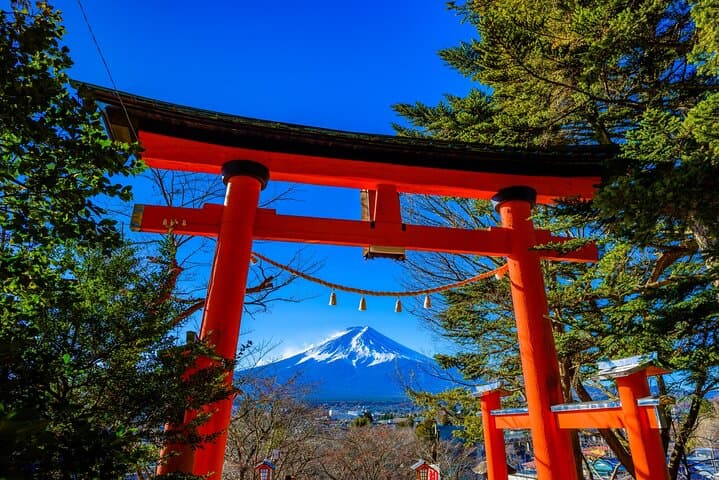
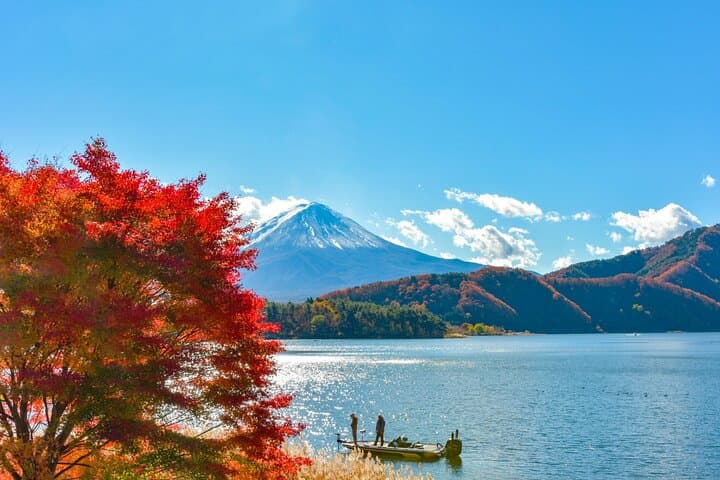
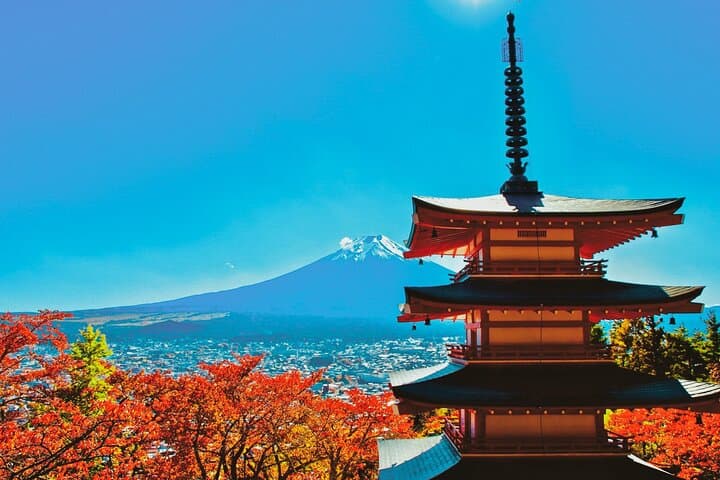
You step off the bus into a cold breath of mountain air and the view pulls every conversation toward a single silhouette: Mt. Fuji, austere and patient, watching over the lakes. At Arakurayama Sengen Park you climb stone steps to the Chureito Pagoda; the red pagoda seems to hold a frame for the volcano, while the wind along Lake Kawaguchiko pushes light across glassy water to sketch Fuji’s reflection.
You step off the bus into a cold breath of mountain air and the view pulls every conversation toward a single silhouette: Mt. Fuji, austere and patient, watching over the lakes. At Arakurayama Sengen Park you climb stone steps to the Chureito Pagoda; the red pagoda seems to hold a frame for the volcano, while the wind along Lake Kawaguchiko pushes light across glassy water to sketch Fuji’s reflection.
This region is part of the Fuji Five Lakes, formed by ancient eruptions and dammed valleys; the mountain itself is a cultural axis, long revered in Shintō and celebrated in ukiyo-e prints. Saiko Iyashi no Sato Nenba recreates rural life with restored thatched houses that preserve Edo-period crafts and architecture, giving context to the calligraphy session you’ll try later.
Expect easy walking interspersed with short stair climbs, lakeside promenades, and a beginner-friendly calligraphy lesson where you’ll trace kanji and photograph your work with Fuji behind it. Seasonal flowers and maple corridors shift the mood dramatically—spring cherry buds, summer greens, fiery autumn maples, and clear winter air that sharpens distant contours.
Practical edge: start early for the clearest views and bring layers — mountain weather changes faster than Tokyo’s. Carry small change for the optional 500-yen calligraphy fee, wear comfortable shoes for stair climbs at observation decks, and plan lunch at Kawaguchiko Craft Park where options are limited on busy days. Respect shrine spaces, keep to marked paths, and prepare for a full 10-hour day back in Tokyo by evening.