THE ADVENTURE COLLECTIVE® · Independent discovery and booking for outdoor travel

Skip the bus crowds and spend a day with a local guide exploring Lake Kawaguchiko, lava caves, shrines, and secret viewpoints of Mt Fuji. This English-guided small-group tour focuses on local insight, flexible stops, and practical pacing for great photos and authentic food.
Skip the bus crowds and spend a day with a local guide exploring Lake Kawaguchiko, lava caves, shrines, and secret viewpoints of Mt Fuji. This English-guided small-group tour focuses on local insight, flexible stops, and practical pacing for great photos and authentic food.
Morning light slices across Lake Kawaguchiko as a compact van eases onto the lakeside road. Johnny, a local guide who lives in the Fuji-Kawaguchiko area, opens the day with a quiet confidence—routes chosen not by a map of bus stops, but by seasons, weather, and what will make the mountain reveal itself.
Verified experiences and guided adventures in the surrounding area.
Operated by Johnny's Fuji Kawaguchiko Tours · Fujikawaguchiko, Yamanashi Prefecture
Morning light slices across Lake Kawaguchiko as a compact van eases onto the lakeside road. Johnny, a local guide who lives in the Fuji-Kawaguchiko area, opens the day with a quiet confidence—routes chosen not by a map of bus stops, but by seasons, weather, and what will make the mountain reveal itself.
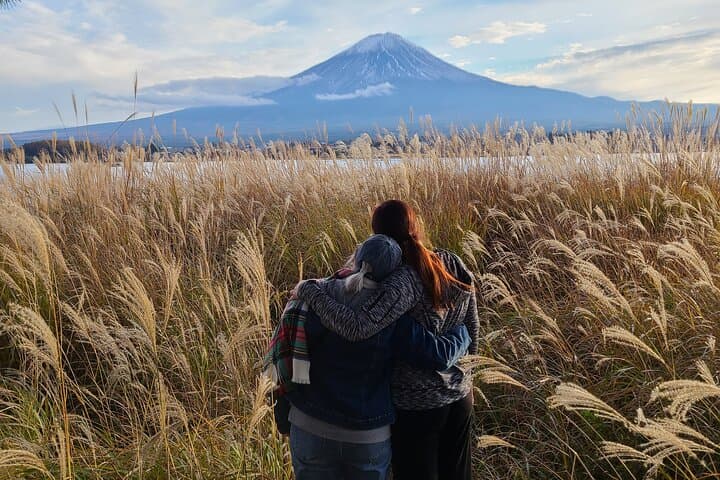
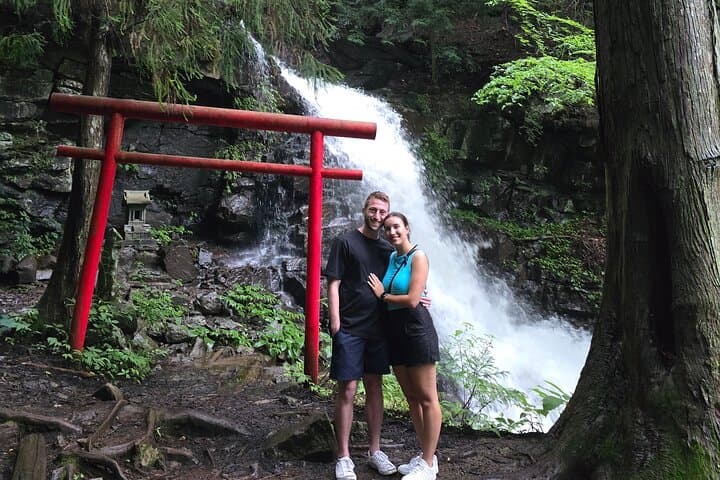
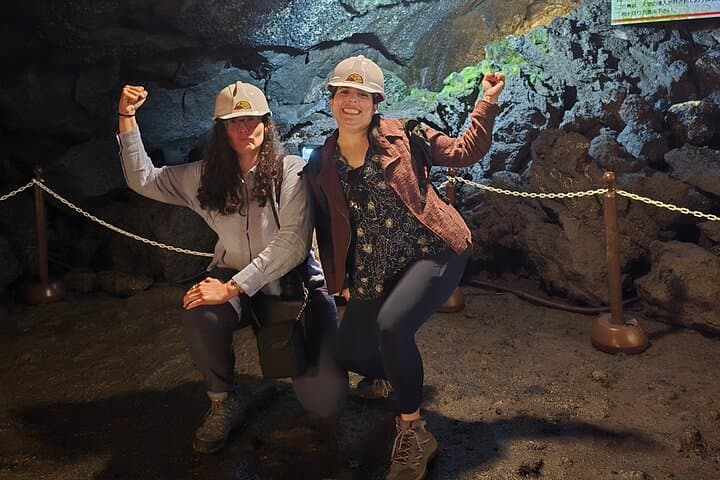
The route threads cultural sites and volcanic geology: shrine paths that celebrate the goddess of Fuji, lava tubes carved by ancient flows, and ponds where clear water can mirror the volcano on calm days. Mount Fuji’s cone is a living record of repeated eruptions; those black, ropey lava fields that border Aokigahara are both geological classroom and eerie woodland with its own personality.
This is a people-place as much as a landscape. Small villages preserve thatched roofs and artisan crafts; local cuisine—try houtou noodles—connects you to mountain agriculture and regional flavor.
Practical guidance is woven into the itinerary. The tour runs about 6–7 hours and skips the crowded 5th Station, favoring lower-elevation views and hidden photo stops. Expect several short walks (stairs and uneven boardwalks in caves and shrines). Dress in layers, bring a rain shell and secure shoes; mornings are best for clear Fuji views. The guide handles transport, timing, and local tickets, and can tailor stops if you want more photography, food, or quiet nature time.
For travelers who want context with their scenery, this small-group, English-guided day delivers local knowledge, flexible pacing, and a route that respects both the mountain and the communities around it.
easy.
6–7 hours.
Suitable for most fitness levels; involves several short walks, some stairs, and low-elevation boardwalks
No—this itinerary specifically does not include the 5th Station; the guide focuses on lower-elevation viewpoints, lakes, caves, and cultural sites.
Private transportation during the tour is provided; pickup options are asked at booking—confirm your pickup point when reserving.
Some attraction tickets are included, but not all meals; the guide will advise local dining options and can handle reservations if requested.
Yes—it's rated easy and suitable for most ages, though some short walks and stairs are required; notify the guide of mobility concerns at booking.
Mount Fuji is both a volcanic landmark and a cultural icon with centuries of pilgrimage, shrine culture, and artisan villages that grew around its foothills.
The Fuji area protects fragile volcanic landscapes and lakes; practice Leave No Trace, respect shrine spaces, use public restrooms, and minimize single-use plastics.
Johnny's Fuji Kawaguchiko Tours operates guided outdoor trips and adventures with an emphasis on safety, stewardship, and memorable experiences.
Morning light slices across Lake Kawaguchiko as a compact van eases onto the lakeside road. Johnny, a local guide who lives in the Fuji-Kawaguchiko area, opens the day with a quiet confidence—routes chosen not by a map of bus stops, but by seasons, weather, and what will make the mountain reveal itself.
Morning light slices across Lake Kawaguchiko as a compact van eases onto the lakeside road. Johnny, a local guide who lives in the Fuji-Kawaguchiko area, opens the day with a quiet confidence—routes chosen not by a map of bus stops, but by seasons, weather, and what will make the mountain reveal itself.
The route threads cultural sites and volcanic geology: shrine paths that celebrate the goddess of Fuji, lava tubes carved by ancient flows, and ponds where clear water can mirror the volcano on calm days. Mount Fuji’s cone is a living record of repeated eruptions; those black, ropey lava fields that border Aokigahara are both geological classroom and eerie woodland with its own personality.
This is a people-place as much as a landscape. Small villages preserve thatched roofs and artisan crafts; local cuisine—try houtou noodles—connects you to mountain agriculture and regional flavor.
Practical guidance is woven into the itinerary. The tour runs about 6–7 hours and skips the crowded 5th Station, favoring lower-elevation views and hidden photo stops. Expect several short walks (stairs and uneven boardwalks in caves and shrines). Dress in layers, bring a rain shell and secure shoes; mornings are best for clear Fuji views. The guide handles transport, timing, and local tickets, and can tailor stops if you want more photography, food, or quiet nature time.
For travelers who want context with their scenery, this small-group, English-guided day delivers local knowledge, flexible pacing, and a route that respects both the mountain and the communities around it.