THE ADVENTURE COLLECTIVE® · Independent discovery and booking for outdoor travel

Spend a day from Tokyo exploring Hakone’s volcanic valleys, riding the Hakone Ropeway over Owakudani, cruising Lake Ashi, and visiting the clear springs of Oshino Hakkai. Expect dramatic geology, cultural stops, and panoramic Fuji views on clear days.
Spend a day from Tokyo exploring Hakone’s volcanic valleys, riding the Hakone Ropeway over Owakudani, cruising Lake Ashi, and visiting the clear springs of Oshino Hakkai. Expect dramatic geology, cultural stops, and panoramic Fuji views on clear days.
The morning bus peels out of Tokyo and the city flattens into rising road and cedar-scented air. By the time you climb into Hakone the ropeway cabins hum overhead, swinging you above a smoking valley where sulfur plumes dare you to look closer and where, on a clear day, Mount Fuji sits like a stern, snow-capped guide on the horizon.
Verified experiences and guided adventures in the surrounding area.
Operated by TREVOPEDIA · Hakone, Kanagawa Prefecture
The morning bus peels out of Tokyo and the city flattens into rising road and cedar-scented air. By the time you climb into Hakone the ropeway cabins hum overhead, swinging you above a smoking valley where sulfur plumes dare you to look closer and where, on a clear day, Mount Fuji sits like a stern, snow-capped guide on the horizon.
Hakone is volcanic country — valleys carved by eruptions over millennia and reshaped by hot springs that once drew pilgrims and poets. Owakudani’s vents are visible reminders of that geology; locals have long boiled eggs in the sulfur springs and woven myths about their longevity. Lake Ashinoko, formed in a caldera, offers a placid counterpoint: its cruises have been a scenic route since the Meiji era, and Oshino Hakkai preserves traditional thatched houses and spring-fed ponds that filtered Mount Fuji’s snowmelt for decades.
Practical side: this is a full-day shared tour (9–10 hours) with guided transport from Tokyo and set meeting points; expect short walking segments at each stop, paved paths at Togendai and Oshino, and uneven volcanic gravel at Owakudani. Bring layered clothing — higher elevations are windy — and cash for small vendors at Oshino. Cameras with wide lenses handle both Fuji and the wide lake views; comfortable walking shoes and a light rain shell make the day easier.
Timing tip: clear mornings offer the best Fuji views; if clouds move in, focus on the ropeway, thermal features, and the cultural calm of Oshino Hakkai.
easy.
9–10 hours.
Suitable for most fitness levels; involves short walks on paved and gravel surfaces and standing in ropeway cabins.
The tour lasts about 9–10 hours (departing early morning) and returns to the original Tokyo meeting point late afternoon; exact times may vary with traffic.
Mount Fuji is visible on clear days; visibility depends on weather and season—early morning usually offers the best chance.
The ropeway and many Hakone facilities are accessible, but some uneven paths at Owakudani and village areas may be challenging—check accessibility details in advance.
Transport and ropeway tickets are included, but meals and some local snacks are not—bring snacks or plan to buy food at stops.
Hakone’s route has long been a travel corridor between Edo (Tokyo) and Kyoto; its hot springs and strategic passes shaped regional culture and commerce since the Edo period.
Parts of the Fuji-Hakone-Izu National Park are protected; visitors are asked to stick to paths, avoid littering, and respect spring water sources to preserve fragile ecosystems.
TREVOPEDIA operates guided outdoor trips and adventures with an emphasis on safety, stewardship, and memorable experiences.
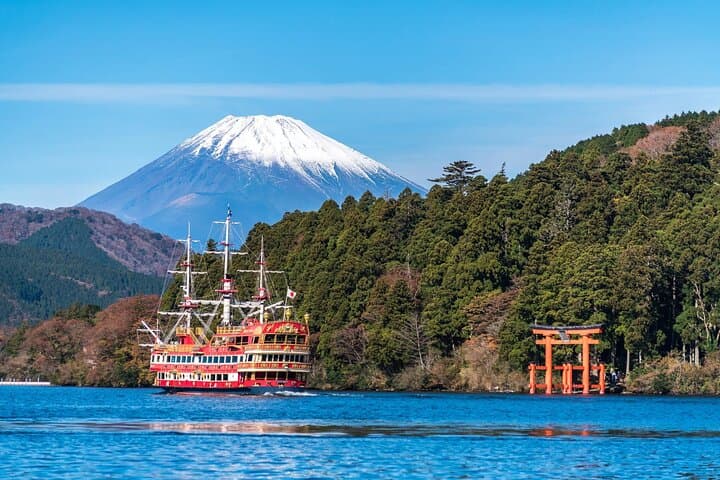
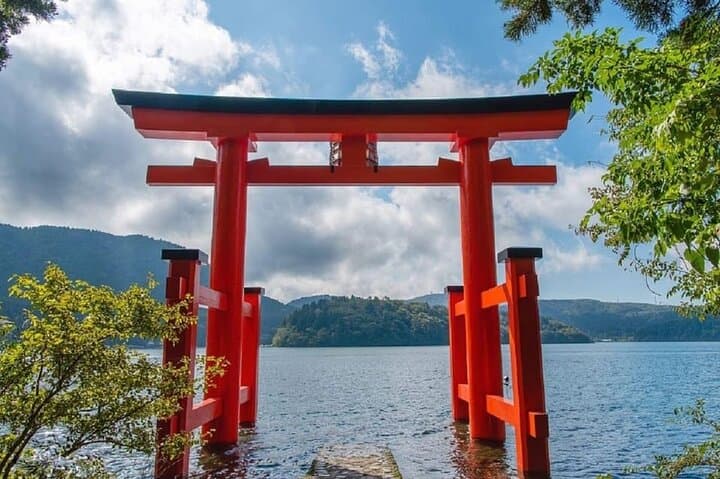
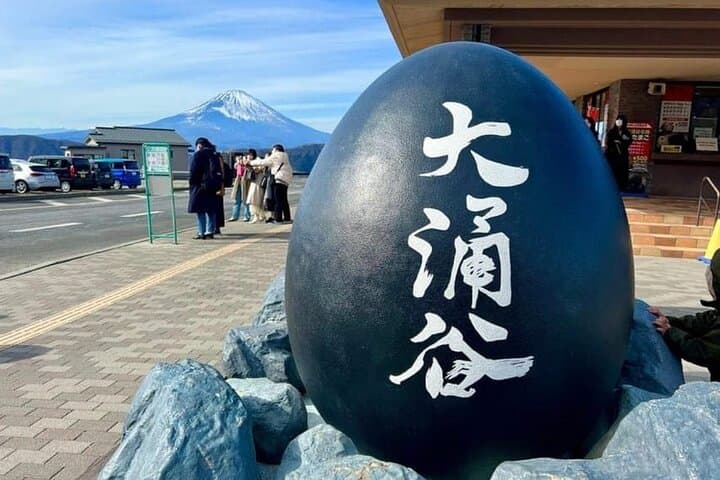
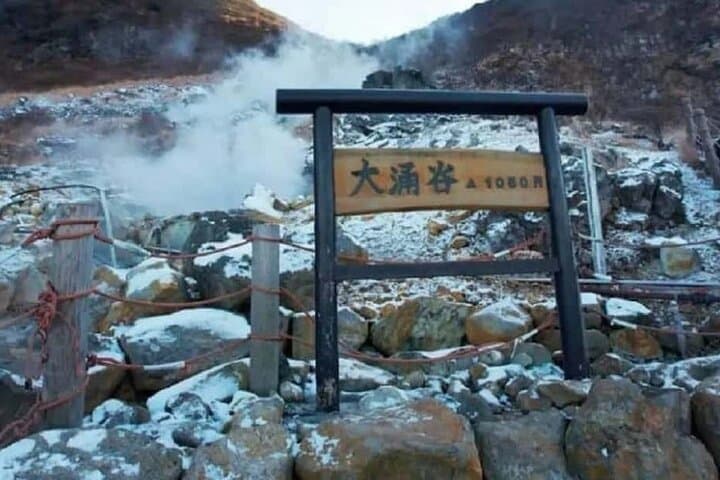
The morning bus peels out of Tokyo and the city flattens into rising road and cedar-scented air. By the time you climb into Hakone the ropeway cabins hum overhead, swinging you above a smoking valley where sulfur plumes dare you to look closer and where, on a clear day, Mount Fuji sits like a stern, snow-capped guide on the horizon.
The morning bus peels out of Tokyo and the city flattens into rising road and cedar-scented air. By the time you climb into Hakone the ropeway cabins hum overhead, swinging you above a smoking valley where sulfur plumes dare you to look closer and where, on a clear day, Mount Fuji sits like a stern, snow-capped guide on the horizon.
Hakone is volcanic country — valleys carved by eruptions over millennia and reshaped by hot springs that once drew pilgrims and poets. Owakudani’s vents are visible reminders of that geology; locals have long boiled eggs in the sulfur springs and woven myths about their longevity. Lake Ashinoko, formed in a caldera, offers a placid counterpoint: its cruises have been a scenic route since the Meiji era, and Oshino Hakkai preserves traditional thatched houses and spring-fed ponds that filtered Mount Fuji’s snowmelt for decades.
Practical side: this is a full-day shared tour (9–10 hours) with guided transport from Tokyo and set meeting points; expect short walking segments at each stop, paved paths at Togendai and Oshino, and uneven volcanic gravel at Owakudani. Bring layered clothing — higher elevations are windy — and cash for small vendors at Oshino. Cameras with wide lenses handle both Fuji and the wide lake views; comfortable walking shoes and a light rain shell make the day easier.
Timing tip: clear mornings offer the best Fuji views; if clouds move in, focus on the ropeway, thermal features, and the cultural calm of Oshino Hakkai.