THE ADVENTURE COLLECTIVE® · Independent discovery and booking for outdoor travel

See Mt. Fuji’s 5th Station, ride the Hakone Ropeway and cruise Lake Ashi in a single 8–9 hour excursion. This guided day tour pairs volcanic landscapes, cultural sites, and a bullet-train return to Tokyo.
See Mt. Fuji’s 5th Station, ride the Hakone Ropeway and cruise Lake Ashi in a single 8–9 hour excursion. This guided day tour pairs volcanic landscapes, cultural sites, and a bullet-train return to Tokyo.
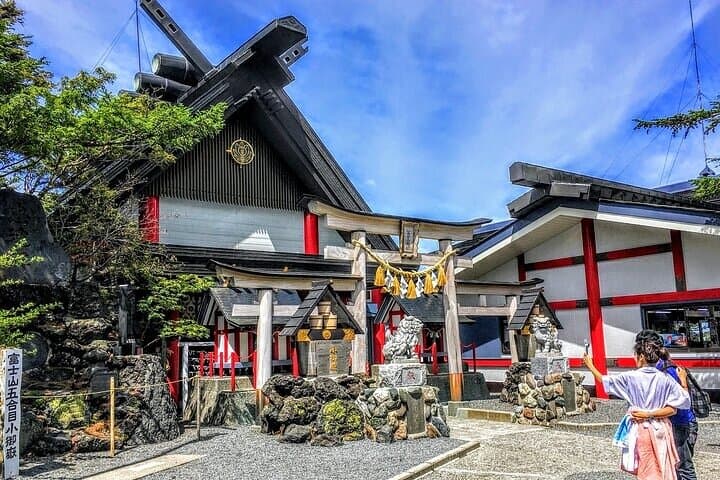
Early light on the highway and Tokyo slips away as the coach threads toward volcanic high country—by midmorning you stand at a Mt. Fuji 5th Station where thin air and a shrine’s wooden steps sharpen the senses. The mountain looms like a living clock, its snowline or bare cone changing mood by the hour; clouds will flirt with the summit and either hide or crown it.
Verified experiences and guided adventures in the surrounding area.
Operated by TREVOPEDIA · Hakone, Kanagawa
Early light on the highway and Tokyo slips away as the coach threads toward volcanic high country—by midmorning you stand at a Mt. Fuji 5th Station where thin air and a shrine’s wooden steps sharpen the senses. The mountain looms like a living clock, its snowline or bare cone changing mood by the hour; clouds will flirt with the summit and either hide or crown it.
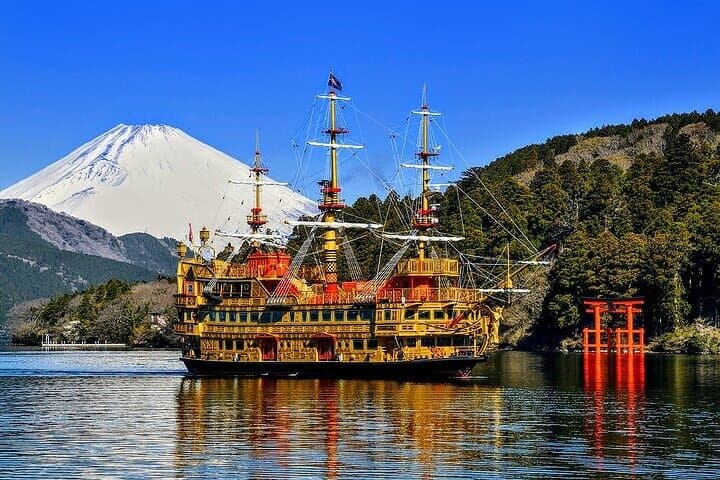
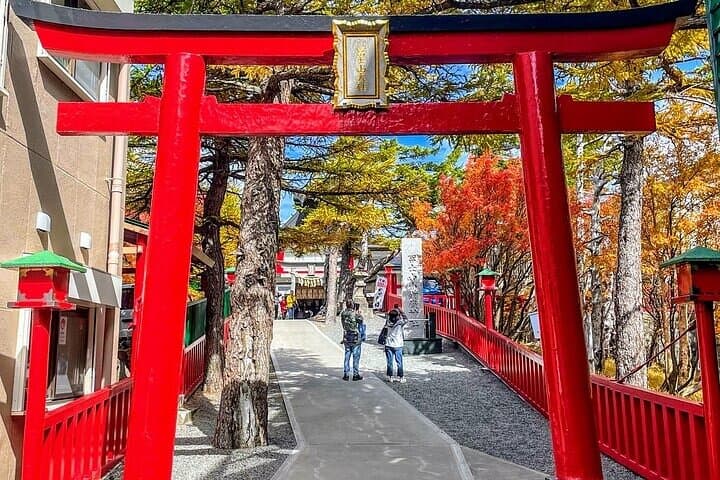
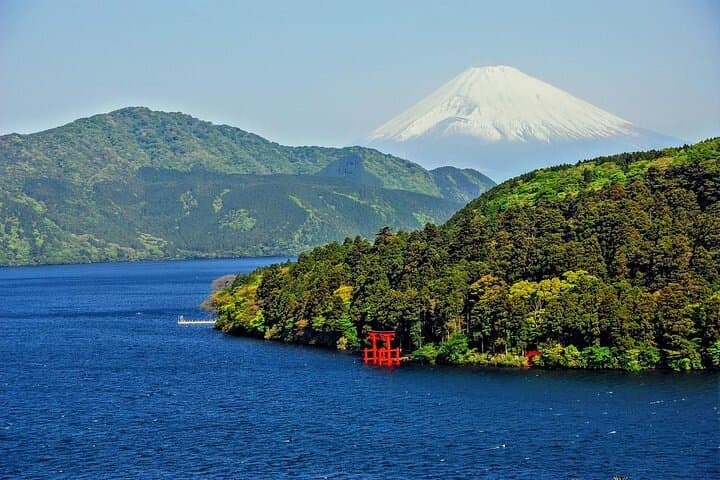
This itinerary stitches together two complementary landscapes: Fuji’s stratovolcano geology—layers of ash and lava built from repeated eruptions—and Hakone’s volcanic caldera, where Lake Ashi sits in a basin carved by past eruptions and landslides. Hakone has long been a waystation on the old Tokaido route and a favored onsen landscape; you’ll see shrine architecture, ropeway cabins crossing sulfur-scented air, and a torii gate rising from the lake.
Practicalities shape the day: expect 8–9 hours including transit. Weather determines the payoff—clear mornings can reveal Mt. Fuji in full glory, while clouds turn the mountain into an intimate, mist-shrouded presence. Mobility is light—short walks, cable-car platforms, and a calm cruise across Lake Ashi—but bring layers for altitude and wind, and allow time for photography and queues at ropeway stations.
Plan to reserve an afternoon bullet-train seat into Tokyo, carry yen for small purchases, and keep hydration and motion-sickness remedies on hand. The tour is an efficient primer on Kanto’s volcanic scenery: dramatic, accessible, and fundamentally governed by weather and timing.
easy.
8–9 hours.
Suitable for most travelers with basic mobility; involves short walks, steps, and standing periods.
Not guaranteed—visibility depends on weather and season; mornings are most reliable but cloud cover or haze can obscure the summit.
Many areas and transportation on the tour are accessible, but some sites have steps or uneven terrain—check with the operator about specific accessibility needs.
A lunch buffet and certain admissions (Hakone Ropeway, Lake Ashi cruise, shrine areas) are included, but confirm details during booking for any optional extras.
The tour finishes at Odawara Station and customers typically purchase their own shinkansen ticket back to Tokyo; check booking details for current arrangements.
Mt. Fuji has been a sacred site in Shinto practice for centuries and was inscribed as a UNESCO World Heritage cultural site; Hakone developed as a strategic post on the historic Tokaido route.
Both Fuji and Hakone manage heavy visitor pressure—stay on marked paths, avoid feeding wildlife, and carry out any trash to reduce impacts on fragile alpine and lakeside habitats.
TREVOPEDIA operates guided outdoor trips and adventures with an emphasis on safety, stewardship, and memorable experiences.
Early light on the highway and Tokyo slips away as the coach threads toward volcanic high country—by midmorning you stand at a Mt. Fuji 5th Station where thin air and a shrine’s wooden steps sharpen the senses. The mountain looms like a living clock, its snowline or bare cone changing mood by the hour; clouds will flirt with the summit and either hide or crown it.
Early light on the highway and Tokyo slips away as the coach threads toward volcanic high country—by midmorning you stand at a Mt. Fuji 5th Station where thin air and a shrine’s wooden steps sharpen the senses. The mountain looms like a living clock, its snowline or bare cone changing mood by the hour; clouds will flirt with the summit and either hide or crown it.
This itinerary stitches together two complementary landscapes: Fuji’s stratovolcano geology—layers of ash and lava built from repeated eruptions—and Hakone’s volcanic caldera, where Lake Ashi sits in a basin carved by past eruptions and landslides. Hakone has long been a waystation on the old Tokaido route and a favored onsen landscape; you’ll see shrine architecture, ropeway cabins crossing sulfur-scented air, and a torii gate rising from the lake.
Practicalities shape the day: expect 8–9 hours including transit. Weather determines the payoff—clear mornings can reveal Mt. Fuji in full glory, while clouds turn the mountain into an intimate, mist-shrouded presence. Mobility is light—short walks, cable-car platforms, and a calm cruise across Lake Ashi—but bring layers for altitude and wind, and allow time for photography and queues at ropeway stations.
Plan to reserve an afternoon bullet-train seat into Tokyo, carry yen for small purchases, and keep hydration and motion-sickness remedies on hand. The tour is an efficient primer on Kanto’s volcanic scenery: dramatic, accessible, and fundamentally governed by weather and timing.