THE ADVENTURE COLLECTIVE® · Independent discovery and booking for outdoor travel

Leave Tokyo by Shinkansen and spend a day with Mount Fuji: shrine visits, hands-on tea-field experiences, and all-you-can-eat strawberry picking. This small-group trip pairs high-speed rail with a private local taxi for authentic rural encounters and scenic stops.
Leave Tokyo by Shinkansen and spend a day with Mount Fuji: shrine visits, hands-on tea-field experiences, and all-you-can-eat strawberry picking. This small-group trip pairs high-speed rail with a private local taxi for authentic rural encounters and scenic stops.
The train ride eases you out of Tokyo’s grid and into open rice paddies; after a brisk Shinkansen sprint you step into crisp air with Mount Fuji looming like an impatient giant. A private local taxi meets the small group, folding distance into a rhythm of roadside viewpoints, tea fields, and a quiet shrine where incense and pond water mark centuries of devotion.
Verified experiences and guided adventures in the surrounding area.
Operated by Odakyu Fuji Tour · Fujinomiya, Shizuoka
The train ride eases you out of Tokyo’s grid and into open rice paddies; after a brisk Shinkansen sprint you step into crisp air with Mount Fuji looming like an impatient giant. A private local taxi meets the small group, folding distance into a rhythm of roadside viewpoints, tea fields, and a quiet shrine where incense and pond water mark centuries of devotion.
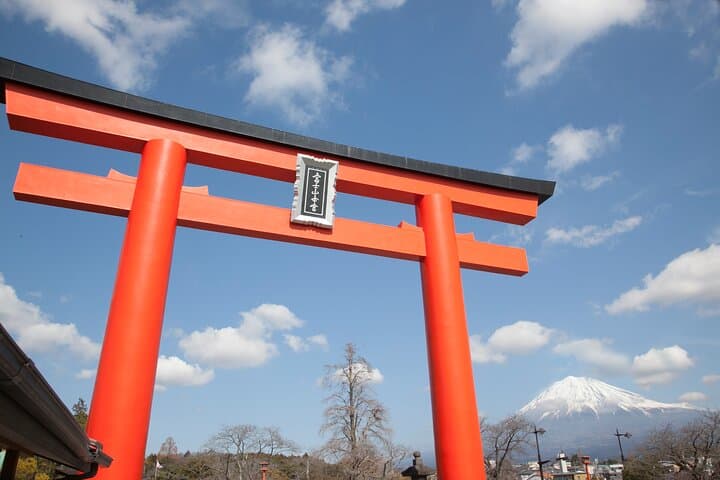
Fujisan Hongū Sengen Taisha sits at the cultural center of Fuji worship—an entry point to the mountain’s folklore and a place where pilgrims once paused before climbing. Geologically, the broad cone you’ll observe is a relatively young stratovolcano with layered lava and ash that shaped the Suruga and Fuji plains below. Local farmers here have long shaped the slopes into tea terraces and glasshouse strawberry beds; both are agricultural practices tuned to microclimates born of Fuji’s shadow.
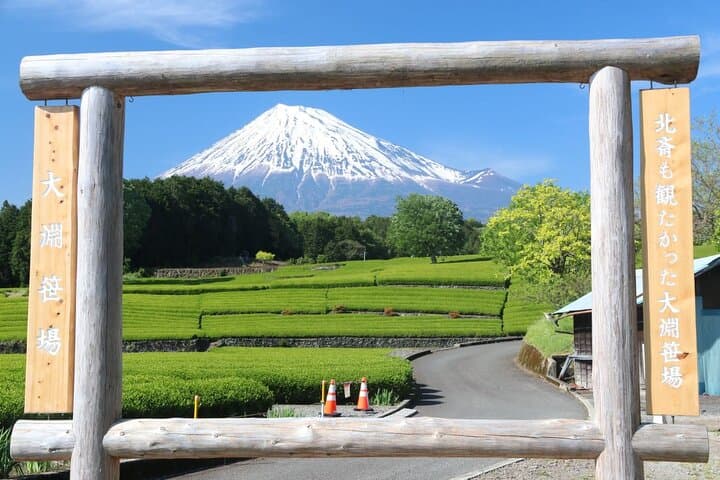
The tea-field program at Ōbuchi Sasaba pairs guided walking with tastings and the unusual treat of tempura-fried tea leaves. Strawberry picking is seasonal, intense and joyful—short bursts of sun-warmed sweetness. Optional stops like Shiraito Falls or the Mt. Fuji World Heritage Center add either mist and woodland hush or an all-weather primer on the mountain.
Practical notes: this is a paced, low-exertion day—wear sturdy walking shoes for uneven farm paths, dress in layers (mornings near Fuji are chilly), and carry a small pack with water and a rain shell. Book the earlier Shinkansen option for the best daylight on the mountain; windows and timing are the difference between a framed Fuji and a politely hidden one.
easy.
8 hours.
Suitable for most fitness levels; involves short walks across uneven agricultural terrain and shrine grounds.
The full experience runs about eight hours, including Shinkansen travel and on-site activities; choose outbound Shinkansen time when booking.
Yes—this is a low-exertion, small-group cultural tour with short walks, but farms may be uneven; those with mobility issues should advise the operator in advance.
Clear views are weather-dependent; optional stops like the Mt. Fuji World Heritage Center provide an indoor alternative if views are obscured.
Inform the operator of dietary restrictions at booking—hosts can usually adjust tastings, but confirm in advance.
Fujisan Hongū Sengen Taisha has been a focal shrine for Mount Fuji worship for centuries and historically served as a starting point for pilgrims ascending the mountain.
Local farms emphasize seasonally managed access and limit group sizes to prevent trampling; visitors are asked to stay on paths and avoid bringing single-use plastics.
Odakyu Fuji Tour operates guided outdoor trips and adventures with an emphasis on safety, stewardship, and memorable experiences.


The train ride eases you out of Tokyo’s grid and into open rice paddies; after a brisk Shinkansen sprint you step into crisp air with Mount Fuji looming like an impatient giant. A private local taxi meets the small group, folding distance into a rhythm of roadside viewpoints, tea fields, and a quiet shrine where incense and pond water mark centuries of devotion.
The train ride eases you out of Tokyo’s grid and into open rice paddies; after a brisk Shinkansen sprint you step into crisp air with Mount Fuji looming like an impatient giant. A private local taxi meets the small group, folding distance into a rhythm of roadside viewpoints, tea fields, and a quiet shrine where incense and pond water mark centuries of devotion.
Fujisan Hongū Sengen Taisha sits at the cultural center of Fuji worship—an entry point to the mountain’s folklore and a place where pilgrims once paused before climbing. Geologically, the broad cone you’ll observe is a relatively young stratovolcano with layered lava and ash that shaped the Suruga and Fuji plains below. Local farmers here have long shaped the slopes into tea terraces and glasshouse strawberry beds; both are agricultural practices tuned to microclimates born of Fuji’s shadow.
The tea-field program at Ōbuchi Sasaba pairs guided walking with tastings and the unusual treat of tempura-fried tea leaves. Strawberry picking is seasonal, intense and joyful—short bursts of sun-warmed sweetness. Optional stops like Shiraito Falls or the Mt. Fuji World Heritage Center add either mist and woodland hush or an all-weather primer on the mountain.
Practical notes: this is a paced, low-exertion day—wear sturdy walking shoes for uneven farm paths, dress in layers (mornings near Fuji are chilly), and carry a small pack with water and a rain shell. Book the earlier Shinkansen option for the best daylight on the mountain; windows and timing are the difference between a framed Fuji and a politely hidden one.