THE ADVENTURE COLLECTIVE® · Independent discovery and booking for outdoor travel

See Mt. Fuji framed by the red Chureito Pagoda, taste spring-fed water at Oshino Hakkai, and walk the shores of Lake Kawaguchi on a single day trip. This guided tour packs iconic photo spots and local touches into an 11-hour circuit with practical support for first-time visitors.
See Mt. Fuji framed by the red Chureito Pagoda, taste spring-fed water at Oshino Hakkai, and walk the shores of Lake Kawaguchi on a single day trip. This guided tour packs iconic photo spots and local touches into an 11-hour circuit with practical support for first-time visitors.
Dawn light strips across the plain and, if the weather agrees, Mt. Fuji slowly reveals a perfect cone above a ring of clouds. The day begins at Arakurayama Sengen Park, where cedar-shaded steps lead to the red Chureito Pagoda and a vantage that focuses the mountain like a living portrait.
Verified experiences and guided adventures in the surrounding area.
Operated by Hotel Takitei · Fujiyoshida, Yamanashi
Dawn light strips across the plain and, if the weather agrees, Mt. Fuji slowly reveals a perfect cone above a ring of clouds. The day begins at Arakurayama Sengen Park, where cedar-shaded steps lead to the red Chureito Pagoda and a vantage that focuses the mountain like a living portrait.
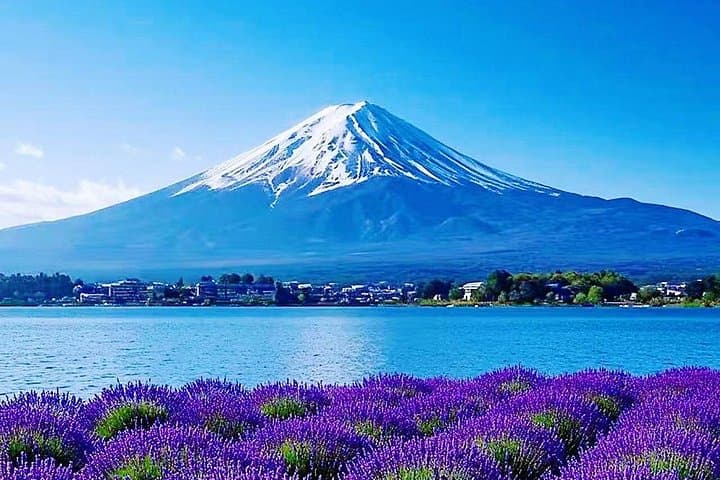
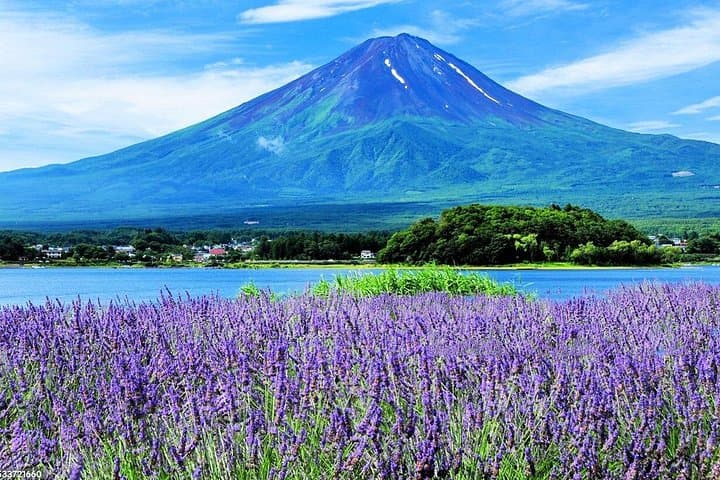
The pagoda itself is a modern peace memorial built in the 1960s, but the view sits on millennia of volcanic history: Fuji is an active stratovolcano whose winter snows feed the aquifers and ponds below. At Oshino Hakkai you’ll see that meltwater reappear as crystal-clear springs; carp and waterfowl move through pools framed by thatched roofs and working watermills. Lake Kawaguchi finishes the circuit with broad reflections and seasonal spectacles—lavender carpets in summer, cherry blossoms in April, and maple flames in autumn.
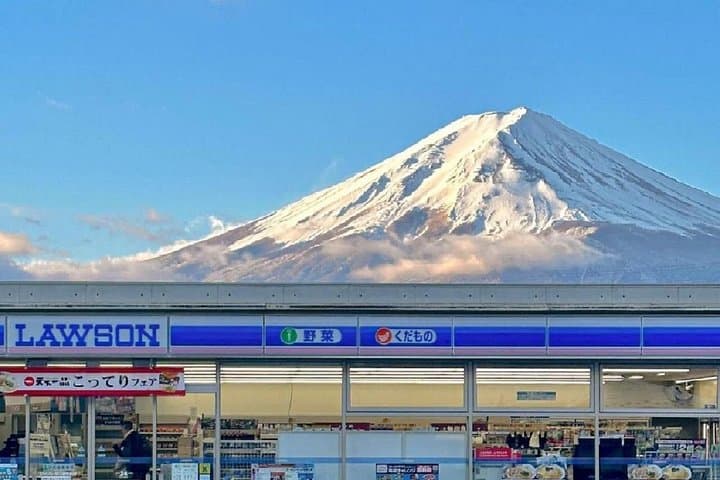
This is a low-impact, mostly walking day with concentrated photo stops: expect short strolls, 397 steps at Chureito, and riverside paths. Practicalities matter—visibility of Mt. Fuji is never guaranteed, weekend traffic can stretch an 11-hour itinerary, and some vendors accept cash only. Bring layers for sudden winds off the lake, a refillable water bottle, and a camera with a modest zoom. The tour balances cultural moments (local snacks, a Lawson viewpoint stop) with natural highlights, making it a good fit for families and first-time Fuji visitors who want curated access to the region without independent logistics.
A calm respect for the springs and trails goes a long way—leave no trace, move deliberately through small villages, and you’ll leave with images and a clearer sense of why Fuji still draws people to its slopes.
easy.
11 hours.
Light fitness; able to walk short distances and ascend stairs (397 steps) without difficulty.
Visibility depends on weather; guides will show the best viewpoints but cannot guarantee clear views—early mornings offer the best chance.
Meeting details are sent by email the night before with guide and vehicle information; arrive 15 minutes early and look for the guide’s yellow flag.
Yes—short distances and flat paths make most stops stroller-accessible, but expect steps at Chureito Pagoda where a carrier may be easier.
The tour includes a convenience-store stop (Lawson) and other short breaks; bring cash for purchases and plan for limited restroom availability at some outdoor stops.
Chureito Pagoda was built as a peace memorial in the 20th century, while the surrounding towns preserve Edo-period agricultural layouts shaped by Fuji’s water supply.
Oshino Hakkai relies on protected aquifers fed by Fuji’s snowmelt—avoid polluting ponds, follow posted paths, and support local businesses to sustain the area.
Hotel Takitei operates guided outdoor trips and adventures with an emphasis on safety, stewardship, and memorable experiences.

Dawn light strips across the plain and, if the weather agrees, Mt. Fuji slowly reveals a perfect cone above a ring of clouds. The day begins at Arakurayama Sengen Park, where cedar-shaded steps lead to the red Chureito Pagoda and a vantage that focuses the mountain like a living portrait.
Dawn light strips across the plain and, if the weather agrees, Mt. Fuji slowly reveals a perfect cone above a ring of clouds. The day begins at Arakurayama Sengen Park, where cedar-shaded steps lead to the red Chureito Pagoda and a vantage that focuses the mountain like a living portrait.
The pagoda itself is a modern peace memorial built in the 1960s, but the view sits on millennia of volcanic history: Fuji is an active stratovolcano whose winter snows feed the aquifers and ponds below. At Oshino Hakkai you’ll see that meltwater reappear as crystal-clear springs; carp and waterfowl move through pools framed by thatched roofs and working watermills. Lake Kawaguchi finishes the circuit with broad reflections and seasonal spectacles—lavender carpets in summer, cherry blossoms in April, and maple flames in autumn.
This is a low-impact, mostly walking day with concentrated photo stops: expect short strolls, 397 steps at Chureito, and riverside paths. Practicalities matter—visibility of Mt. Fuji is never guaranteed, weekend traffic can stretch an 11-hour itinerary, and some vendors accept cash only. Bring layers for sudden winds off the lake, a refillable water bottle, and a camera with a modest zoom. The tour balances cultural moments (local snacks, a Lawson viewpoint stop) with natural highlights, making it a good fit for families and first-time Fuji visitors who want curated access to the region without independent logistics.
A calm respect for the springs and trails goes a long way—leave no trace, move deliberately through small villages, and you’ll leave with images and a clearer sense of why Fuji still draws people to its slopes.