THE ADVENTURE COLLECTIVE® · Independent discovery and booking for outdoor travel

A single-day loop from Shinjuku that pairs a Lake Ashi cruise, Hakone Ropeway over Owakudani’s fumaroles, and a view of Mt. Fuji. Ideal for travelers wanting dramatic volcano-and-lake scenery without overnight logistics.
A single-day loop from Shinjuku that pairs a Lake Ashi cruise, Hakone Ropeway over Owakudani’s fumaroles, and a view of Mt. Fuji. Ideal for travelers wanting dramatic volcano-and-lake scenery without overnight logistics.
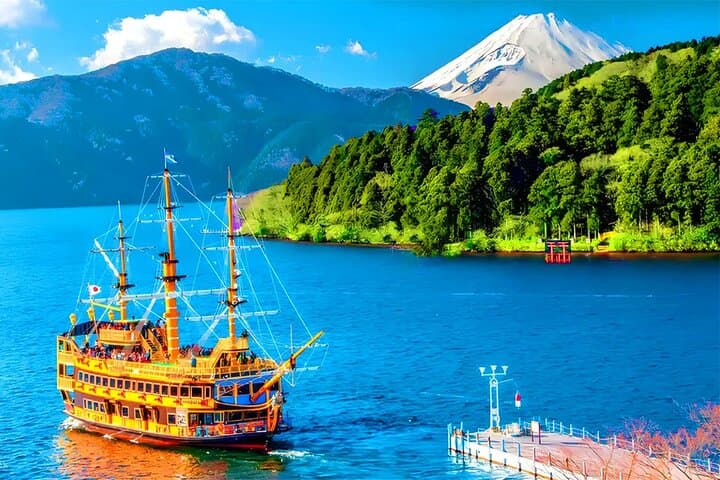
Board the bus in Shinjuku before dawn and watch Tokyo’s skyline shrink as the road unspools toward the volcanic rims of Hakone. By midmorning the air smells faintly of sulfur and pine; steam hisses from Owakudani while Lake Ashi opens like a polished mirror. The pirate-style sightseeing ship slips across the water and Mt. Fuji rises beyond the shoreline, challenging you to look away.
Verified experiences and guided adventures in the surrounding area.
Operated by Local Guide Stars · Hakone, Kanagawa Prefecture
Board the bus in Shinjuku before dawn and watch Tokyo’s skyline shrink as the road unspools toward the volcanic rims of Hakone. By midmorning the air smells faintly of sulfur and pine; steam hisses from Owakudani while Lake Ashi opens like a polished mirror. The pirate-style sightseeing ship slips across the water and Mt. Fuji rises beyond the shoreline, challenging you to look away.
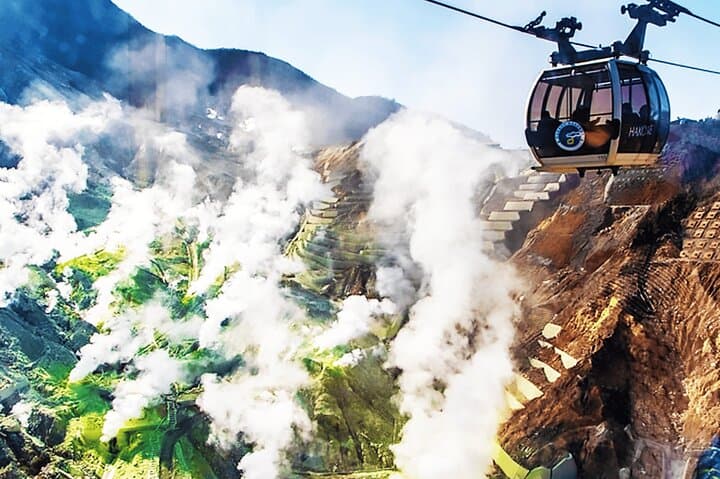
The route stitches together Japan’s natural drama and pilgrimage history: Hakone has long been a checkpoint on the old Tokaido route, while Mt. Fuji has been a sacred peak and UNESCO World Heritage site for centuries. Geologically, Owakudani remains an active volcanic valley formed by Hakone’s caldera; the ropeway lets visitors float over fumaroles and black-specked hot springs.
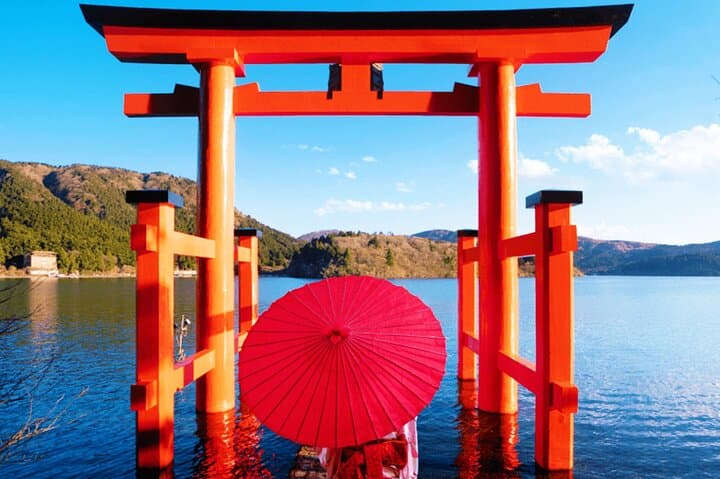
Culturally, Hakone Shrine’s cedar approach and the floating torii at Moto-Hakone are functioning spiritual sites—quiet places where ceremony and landscape intersect. Local cuisine centers on freshwater fish, soba, and the quirky black eggs boiled in volcanic steam.
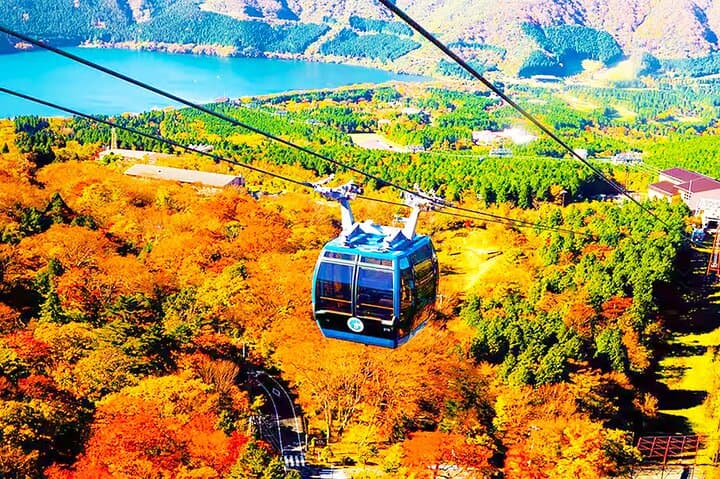
Practically, this is a full-day guided excursion (about 10 hours) with several short walks and ropeway and boat rides included. Wear sturdy, comfortable shoes and layered clothing for variable mountain weather; bring a camera and enough water. Expect organized timing: guided stops, a lake cruise, ropeway access, and a short free window for lunch at Moto-Hakone Port.
Timing is everything for views—early departures improve chances of a clear Mt. Fuji. Stay on marked paths in Owakudani and follow guide instructions around steam vents; those landscapes are active and fragile.
easy.
10 hours.
Suitable for most fitness levels; involves short walks and stairs but no sustained climbs.
No—this tour includes ropeway access and the Lake Ashi sightseeing cruise as part of the itinerary.
Visibility depends on weather and season; mornings and colder months typically offer clearer views, but clouds can obscure the summit unexpectedly.
The tour involves boarding a bus, short walks, and stairs; it’s rated easy but not fully wheelchair-accessible—check specific mobility needs with the operator.
Yes—there is a scheduled lunch break in Moto-Hakone Port where a range of restaurants and cafés are available; bring cash for small vendors.
Hakone served as a key post town on the historic Tokaido route, and Mt. Fuji has been a religious and cultural symbol for centuries, recently designated a UNESCO World Heritage site.
Stay on marked paths, dispose of waste properly, and avoid feeding wildlife; Owakudani’s geothermal features are fragile and access can be restricted to protect them.
Local Guide Stars operates guided outdoor trips and adventures with an emphasis on safety, stewardship, and memorable experiences.
Board the bus in Shinjuku before dawn and watch Tokyo’s skyline shrink as the road unspools toward the volcanic rims of Hakone. By midmorning the air smells faintly of sulfur and pine; steam hisses from Owakudani while Lake Ashi opens like a polished mirror. The pirate-style sightseeing ship slips across the water and Mt. Fuji rises beyond the shoreline, challenging you to look away.
Board the bus in Shinjuku before dawn and watch Tokyo’s skyline shrink as the road unspools toward the volcanic rims of Hakone. By midmorning the air smells faintly of sulfur and pine; steam hisses from Owakudani while Lake Ashi opens like a polished mirror. The pirate-style sightseeing ship slips across the water and Mt. Fuji rises beyond the shoreline, challenging you to look away.
The route stitches together Japan’s natural drama and pilgrimage history: Hakone has long been a checkpoint on the old Tokaido route, while Mt. Fuji has been a sacred peak and UNESCO World Heritage site for centuries. Geologically, Owakudani remains an active volcanic valley formed by Hakone’s caldera; the ropeway lets visitors float over fumaroles and black-specked hot springs.
Culturally, Hakone Shrine’s cedar approach and the floating torii at Moto-Hakone are functioning spiritual sites—quiet places where ceremony and landscape intersect. Local cuisine centers on freshwater fish, soba, and the quirky black eggs boiled in volcanic steam.
Practically, this is a full-day guided excursion (about 10 hours) with several short walks and ropeway and boat rides included. Wear sturdy, comfortable shoes and layered clothing for variable mountain weather; bring a camera and enough water. Expect organized timing: guided stops, a lake cruise, ropeway access, and a short free window for lunch at Moto-Hakone Port.
Timing is everything for views—early departures improve chances of a clear Mt. Fuji. Stay on marked paths in Owakudani and follow guide instructions around steam vents; those landscapes are active and fragile.