THE ADVENTURE COLLECTIVE® · Independent discovery and booking for outdoor travel

Escape Tokyo for a day to stand beneath Japan’s most famous peak. This one-day tour hits Mount Fuji’s 5th Station (or Chureito Pagoda), the crystal ponds of Oshino Hakkai, and the shopping and onsen options near Gotemba.
Escape Tokyo for a day to stand beneath Japan’s most famous peak. This one-day tour hits Mount Fuji’s 5th Station (or Chureito Pagoda), the crystal ponds of Oshino Hakkai, and the shopping and onsen options near Gotemba.
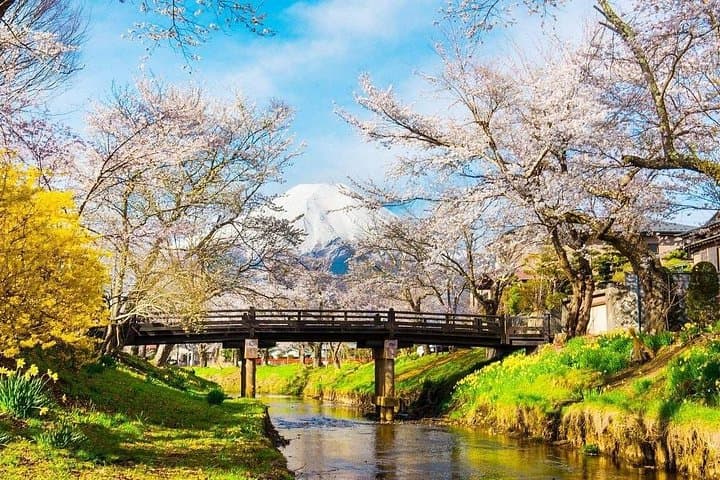
A low cloud peels away as the coach climbs out of Tokyo and the silhouette of Mount Fuji grows until it fills the windshield—an unmistakable, patient presence against the sky. By midmorning the bus reaches the 5th Station (approx. 2,300 m), where alpine air slips into your lungs and souvenir stalls cluster around a small shrine. If closures block the road, the Chureito Pagoda at Arakurayama offers that classic Fuji frame, often rimmed in cherry blossoms or winter frost.
Verified experiences and guided adventures in the surrounding area.
Operated by Trevopedia Wonders · Fujinomiya, Shizuoka
A low cloud peels away as the coach climbs out of Tokyo and the silhouette of Mount Fuji grows until it fills the windshield—an unmistakable, patient presence against the sky. By midmorning the bus reaches the 5th Station (approx. 2,300 m), where alpine air slips into your lungs and souvenir stalls cluster around a small shrine. If closures block the road, the Chureito Pagoda at Arakurayama offers that classic Fuji frame, often rimmed in cherry blossoms or winter frost.
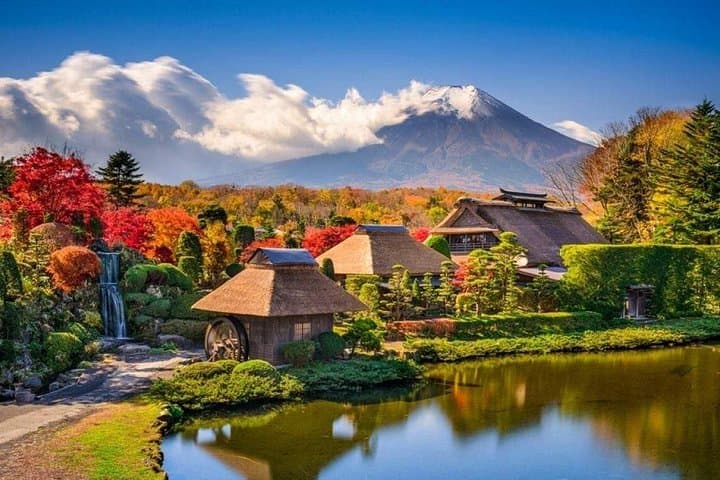
The route threads history and geology: Mount Fuji is an active stratovolcano whose last major eruption reshaped surrounding plains and fed the springs at Oshino Hakkai. That village’s eight spring-fed ponds are fed by snowmelt filtered through volcanic rock—water so clear it pulls the mountain down into its surface. Culturally, these stops reflect Edo-period pilgrim routes and modern leisure: mountain shrines, simple snack stalls, and outlet malls where global brands sit beneath Fuji’s shadow.
Practically, expect a full day—roughly 9–10 hours with fixed stops at the 5th Station (or Arakurayama), Oshino Hakkai, and Gotemba Premium Outlets (or an onsen alternative). The tour includes round-trip transportation from Tokyo and an English/Chinese guide; travel time is part of your day. Pack layers for wind and sun, arrive at the Tokyo meeting point 10 minutes early, and bring cash for small-site purchases. Weather can close the 5th Station; operators will substitute viewpoints. For photographers and first-time Fuji visitors, this one-day loop balances alpine exposure, quiet traditional scenery, and a relaxed retail finish.
easy.
9–10 hours.
Suitable for most fitness levels; expect light walking on uneven surfaces and short climbs around viewpoints
No; the tour stops at the 5th Station for views and short walks—summit climbs require separate, multi-day hiking arrangements and permits.
The itinerary substitutes Arakurayama Sengen Park (Chureito Pagoda) for comparable Fuji views; the operator will confirm alternatives before departure.
Meals are not included; there are food stalls and restaurants at major stops, and time allocated at Gotemba for shopping and dining.
The tour listing notes wheelchair and stroller accessibility for transportation and many surfaces, but some viewpoint areas have steps or uneven terrain.
Mount Fuji has been a sacred site for centuries; Edo-period pilgrims and artists helped shape the cultural landscape visitors see today.
Snowmelt feeding local springs is sensitive to climate change and visitor pressure; stick to trails, avoid littering, and support local businesses that practice low-impact tourism.
Trevopedia Wonders operates guided outdoor trips and adventures with an emphasis on safety, stewardship, and memorable experiences.
A low cloud peels away as the coach climbs out of Tokyo and the silhouette of Mount Fuji grows until it fills the windshield—an unmistakable, patient presence against the sky. By midmorning the bus reaches the 5th Station (approx. 2,300 m), where alpine air slips into your lungs and souvenir stalls cluster around a small shrine. If closures block the road, the Chureito Pagoda at Arakurayama offers that classic Fuji frame, often rimmed in cherry blossoms or winter frost.
A low cloud peels away as the coach climbs out of Tokyo and the silhouette of Mount Fuji grows until it fills the windshield—an unmistakable, patient presence against the sky. By midmorning the bus reaches the 5th Station (approx. 2,300 m), where alpine air slips into your lungs and souvenir stalls cluster around a small shrine. If closures block the road, the Chureito Pagoda at Arakurayama offers that classic Fuji frame, often rimmed in cherry blossoms or winter frost.
The route threads history and geology: Mount Fuji is an active stratovolcano whose last major eruption reshaped surrounding plains and fed the springs at Oshino Hakkai. That village’s eight spring-fed ponds are fed by snowmelt filtered through volcanic rock—water so clear it pulls the mountain down into its surface. Culturally, these stops reflect Edo-period pilgrim routes and modern leisure: mountain shrines, simple snack stalls, and outlet malls where global brands sit beneath Fuji’s shadow.
Practically, expect a full day—roughly 9–10 hours with fixed stops at the 5th Station (or Arakurayama), Oshino Hakkai, and Gotemba Premium Outlets (or an onsen alternative). The tour includes round-trip transportation from Tokyo and an English/Chinese guide; travel time is part of your day. Pack layers for wind and sun, arrive at the Tokyo meeting point 10 minutes early, and bring cash for small-site purchases. Weather can close the 5th Station; operators will substitute viewpoints. For photographers and first-time Fuji visitors, this one-day loop balances alpine exposure, quiet traditional scenery, and a relaxed retail finish.