THE ADVENTURE COLLECTIVE® · Independent discovery and booking for outdoor travel

Practice voice meditation and Bon dance in a restored Meiji-era wooden hall beneath Mt. Fuji. This 90-minute session blends breathing, ancient ‘‘awauta’’ vocal work, and communal Bon Odori choreography for a calming cultural experience.
Practice voice meditation and Bon dance in a restored Meiji-era wooden hall beneath Mt. Fuji. This 90-minute session blends breathing, ancient ‘‘awauta’’ vocal work, and communal Bon Odori choreography for a calming cultural experience.
You step into a restored Meiji-era wooden school building at the foot of Mt. Fuji, the floorboards creak softly and the mountain’s silhouette presses the horizon outside the windows. The room smells faintly of polished timber; a small drum and shamisen sit ready. The facilitator guides a breathing practice that loosens the shoulders and settles the eyes, then invites your voice to join the ancient Japanese mantra ‘‘awauta’’. The tones feel at once foreign and elemental.
Verified experiences and guided adventures in the surrounding area.
Operated by wago (Yusuke∞Yoshino) · Fujiyoshida, Yamanashi
You step into a restored Meiji-era wooden school building at the foot of Mt. Fuji, the floorboards creak softly and the mountain’s silhouette presses the horizon outside the windows. The room smells faintly of polished timber; a small drum and shamisen sit ready. The facilitator guides a breathing practice that loosens the shoulders and settles the eyes, then invites your voice to join the ancient Japanese mantra ‘‘awauta’’. The tones feel at once foreign and elemental.
Bon Odori grew from centuries of communal summer rituals that honor ancestors and bind neighborhoods in rhythm; on the plain below Mt. Fuji the dance carries regional variations and a strong sense of place. Mt. Fuji itself is a volcanic cone that has shaped local culture for millennia, visible here as a constant, quiet presence in weather and folklore. The relocated school building is a material piece of Meiji-era education and architecture — simple, wooden, and intentionally human-scaled.
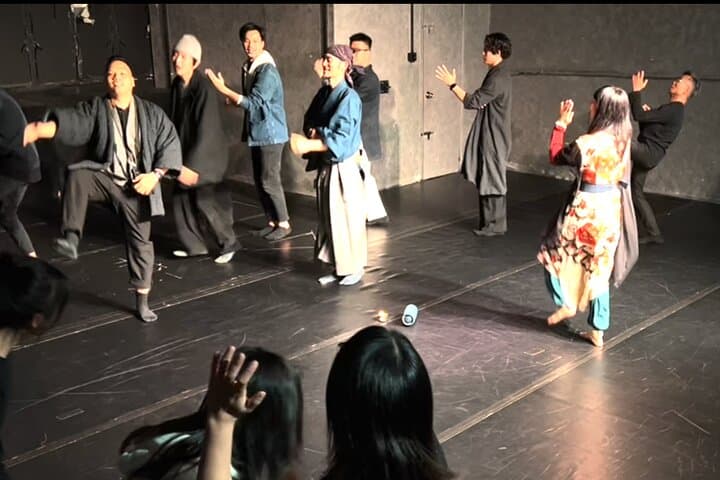
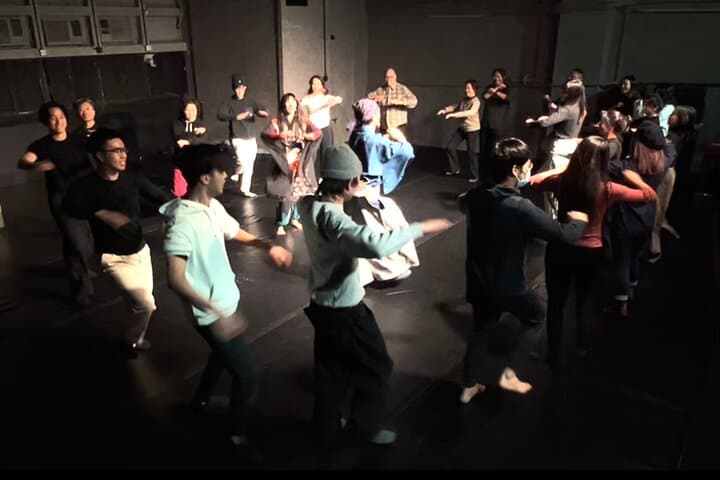
In practice the session is a layered sequence: breathwork to ground, vocal meditation to open the body, gentle movement to re-align, and finally the group circle of Bon dance, taught in short, repeatable steps accompanied by live music. Expect clear instruction, a friendly pace, and room to participate at your own intensity.
Practicalities: wear comfortable clothing you can move in, bring a small towel and water, and arrive 10–15 minutes early to settle. The session is suitable for beginners and provides cultural context for the choreography and the awauta syllables. It’s low-impact but emotionally rich — a calm, communal counterpoint to the crisp, volcanic landscape right outside the door.
easy.
1–1.5 hours.
Suitable for all fitness levels; light standing, gentle movement and vocal practice are required.
Participants should be 12 years or older; children under 12 are generally not permitted due to the meditative content and space constraints.
Instruction focuses on demonstration and simple phrases; English explanations are commonly provided, but the session also uses traditional Japanese terms.
No—sessions are designed for beginners with progressive steps and supportive pacing suitable for first-timers.
Full refunds are available if canceled at least 24 hours before the scheduled time; cancellations within 24 hours are not refundable.
Bon Odori evolved from Buddhist Obon ancestor rites and local festival traditions; Mt. Fuji’s presence has long informed regional ritual and art.
Fuji region is managed with visitor caps in sensitive areas and heritage programs that preserve wooden architecture; visitors are encouraged to limit noise, pack out waste, and support local cultural heritage.
wago (Yusuke∞Yoshino) operates guided outdoor trips and adventures with an emphasis on safety, stewardship, and memorable experiences.
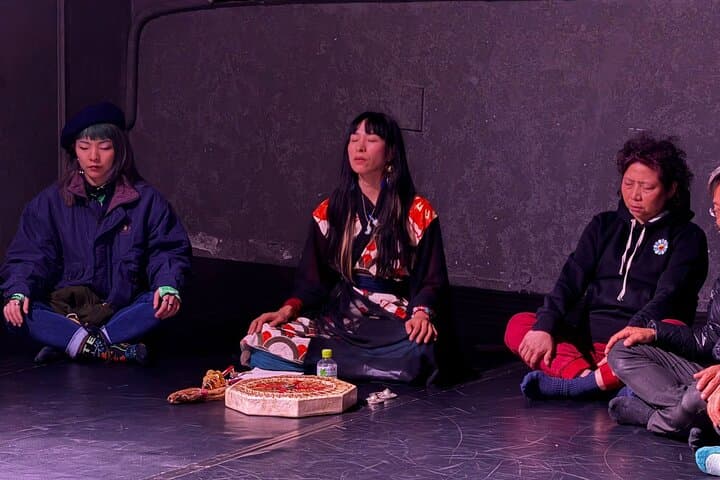
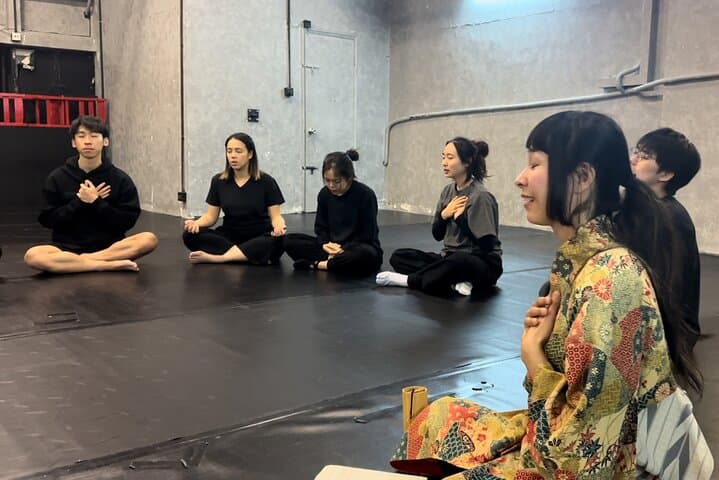
You step into a restored Meiji-era wooden school building at the foot of Mt. Fuji, the floorboards creak softly and the mountain’s silhouette presses the horizon outside the windows. The room smells faintly of polished timber; a small drum and shamisen sit ready. The facilitator guides a breathing practice that loosens the shoulders and settles the eyes, then invites your voice to join the ancient Japanese mantra ‘‘awauta’’. The tones feel at once foreign and elemental.
You step into a restored Meiji-era wooden school building at the foot of Mt. Fuji, the floorboards creak softly and the mountain’s silhouette presses the horizon outside the windows. The room smells faintly of polished timber; a small drum and shamisen sit ready. The facilitator guides a breathing practice that loosens the shoulders and settles the eyes, then invites your voice to join the ancient Japanese mantra ‘‘awauta’’. The tones feel at once foreign and elemental.
Bon Odori grew from centuries of communal summer rituals that honor ancestors and bind neighborhoods in rhythm; on the plain below Mt. Fuji the dance carries regional variations and a strong sense of place. Mt. Fuji itself is a volcanic cone that has shaped local culture for millennia, visible here as a constant, quiet presence in weather and folklore. The relocated school building is a material piece of Meiji-era education and architecture — simple, wooden, and intentionally human-scaled.
In practice the session is a layered sequence: breathwork to ground, vocal meditation to open the body, gentle movement to re-align, and finally the group circle of Bon dance, taught in short, repeatable steps accompanied by live music. Expect clear instruction, a friendly pace, and room to participate at your own intensity.
Practicalities: wear comfortable clothing you can move in, bring a small towel and water, and arrive 10–15 minutes early to settle. The session is suitable for beginners and provides cultural context for the choreography and the awauta syllables. It’s low-impact but emotionally rich — a calm, communal counterpoint to the crisp, volcanic landscape right outside the door.