THE ADVENTURE COLLECTIVE® · Independent discovery and booking for outdoor travel

Swap Tokyo’s skyline for steaming volcanic valleys and a floating torii on Lake Ashi. This full-day loop combines the Hakone Ropeway, Owakudani’s sulfur vents, a Lake Ashi cruise, and Oshino Hakkai’s spring ponds for compact access to Mount Fuji vistas.
Swap Tokyo’s skyline for steaming volcanic valleys and a floating torii on Lake Ashi. This full-day loop combines the Hakone Ropeway, Owakudani’s sulfur vents, a Lake Ashi cruise, and Oshino Hakkai’s spring ponds for compact access to Mount Fuji vistas.
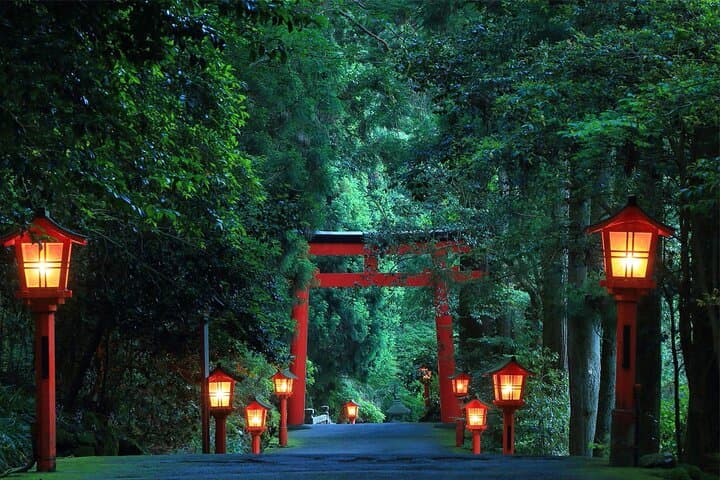
Early morning in Tokyo, the bus slips through suburbs as the city loosens its grip and the air cools toward the volcanic spine of Honshu. By midmorning you stand by Lake Ashi where cedar trees frame a vermilion torii floating on glassy water, and the ropeway’s gondolas hum like distant bees as they climb toward Owakudani.
Verified experiences and guided adventures in the surrounding area.
Operated by Trevopedia Wonders · Hakone, Kanagawa Prefecture
Early morning in Tokyo, the bus slips through suburbs as the city loosens its grip and the air cools toward the volcanic spine of Honshu. By midmorning you stand by Lake Ashi where cedar trees frame a vermilion torii floating on glassy water, and the ropeway’s gondolas hum like distant bees as they climb toward Owakudani.
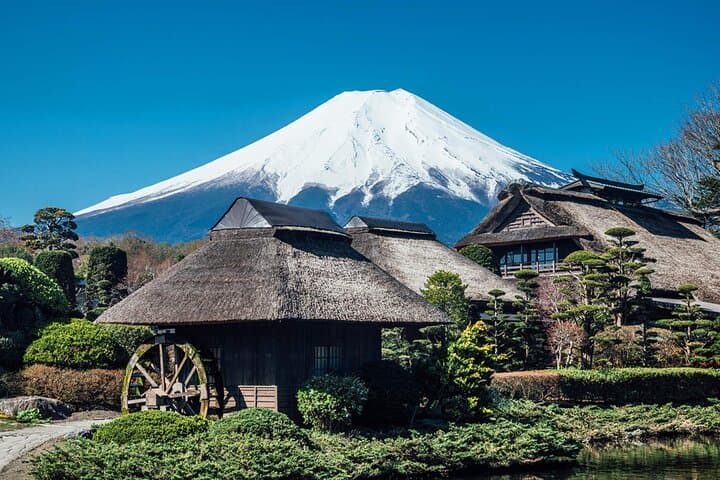
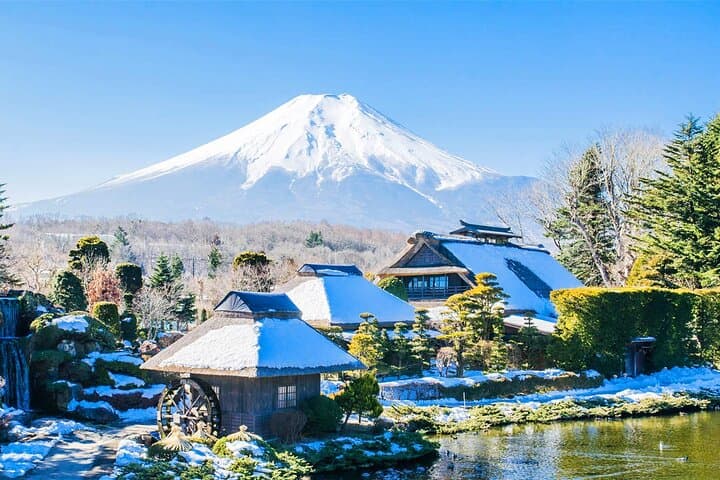
This day tour threads history and geology: Hakone Shrine dates to the 8th century and has long been a pilgrimage stop, while Owakudani is a post-glacial valley formed by Hakone’s eruptions that still exhales sulfur steam. The ropeway reveals a working landscape — steaming vents, volcanic rock, and, if skies cooperate, Mount Fuji asserting a snow-capped cone over the ridgelines. Oshino Hakkai’s spring ponds filter centuries of snowmelt through volcanic pumice, producing mirror-like water that local communities have revered for generations.
Expect a mix of easy walking and short uphill sections at observation platforms; weather and ropeway maintenance can alter the route. The optional pirate-ship cruise across Lake Ashi adds a calm water leg and photo chances, while Owakudani’s black eggs offer a quirky local custom. Practical tips: drink water, layer for wind at high viewpoints, and charge devices for clear-sky photos.
Timing is everything — mornings and late afternoons increase your chances of seeing Fuji clearly. This itinerary is sightseeing-forward, accessible to most travelers, and gives a compact but thorough snapshot of Hakone’s volcanic terrain and cultural markers, all within an 8–10 hour loop from Tokyo.
easy.
8–10 hours.
Suitable for people in average fitness; involves short walks, stair sections, and standing at viewpoints.
The itinerary runs about 8–10 hours (480–600 minutes) round-trip from central Tokyo pickup points.
The Hakone Ropeway admission is included as described; some optional attractions like the pirate ship are paid locally.
Yes on clear days — sunrise and late afternoon often offer the best visibility, but viewings are weather-dependent.
Yes; the tour is rated easy with wheelchair-accessible transportation, though some sites have steps and volcanic fumes may affect sensitive participants.
Hakone has been a strategic and spiritual corridor since the Heian period; its routes linked Edo (Tokyo) with western provinces and fostered religious sites like Hakone Shrine.
Owakudani and surrounding areas are managed to limit erosion and visitor impact; stick to marked paths and avoid disturbing springs to protect fragile volcanic features.
Trevopedia Wonders operates guided outdoor trips and adventures with an emphasis on safety, stewardship, and memorable experiences.
Early morning in Tokyo, the bus slips through suburbs as the city loosens its grip and the air cools toward the volcanic spine of Honshu. By midmorning you stand by Lake Ashi where cedar trees frame a vermilion torii floating on glassy water, and the ropeway’s gondolas hum like distant bees as they climb toward Owakudani.
Early morning in Tokyo, the bus slips through suburbs as the city loosens its grip and the air cools toward the volcanic spine of Honshu. By midmorning you stand by Lake Ashi where cedar trees frame a vermilion torii floating on glassy water, and the ropeway’s gondolas hum like distant bees as they climb toward Owakudani.
This day tour threads history and geology: Hakone Shrine dates to the 8th century and has long been a pilgrimage stop, while Owakudani is a post-glacial valley formed by Hakone’s eruptions that still exhales sulfur steam. The ropeway reveals a working landscape — steaming vents, volcanic rock, and, if skies cooperate, Mount Fuji asserting a snow-capped cone over the ridgelines. Oshino Hakkai’s spring ponds filter centuries of snowmelt through volcanic pumice, producing mirror-like water that local communities have revered for generations.
Expect a mix of easy walking and short uphill sections at observation platforms; weather and ropeway maintenance can alter the route. The optional pirate-ship cruise across Lake Ashi adds a calm water leg and photo chances, while Owakudani’s black eggs offer a quirky local custom. Practical tips: drink water, layer for wind at high viewpoints, and charge devices for clear-sky photos.
Timing is everything — mornings and late afternoons increase your chances of seeing Fuji clearly. This itinerary is sightseeing-forward, accessible to most travelers, and gives a compact but thorough snapshot of Hakone’s volcanic terrain and cultural markers, all within an 8–10 hour loop from Tokyo.