THE ADVENTURE COLLECTIVE® · Independent discovery and booking for outdoor travel

See Mount Fuji from the 5th Station, peer into Owakudani’s steaming vents from the ropeway, and glide past Hakone Shrine’s red torii on a Lake Ashi cruise. This full-day tour from Tokyo packs geology, history and travel logistics into an accessible, single-day adventure.
See Mount Fuji from the 5th Station, peer into Owakudani’s steaming vents from the ropeway, and glide past Hakone Shrine’s red torii on a Lake Ashi cruise. This full-day tour from Tokyo packs geology, history and travel logistics into an accessible, single-day adventure.
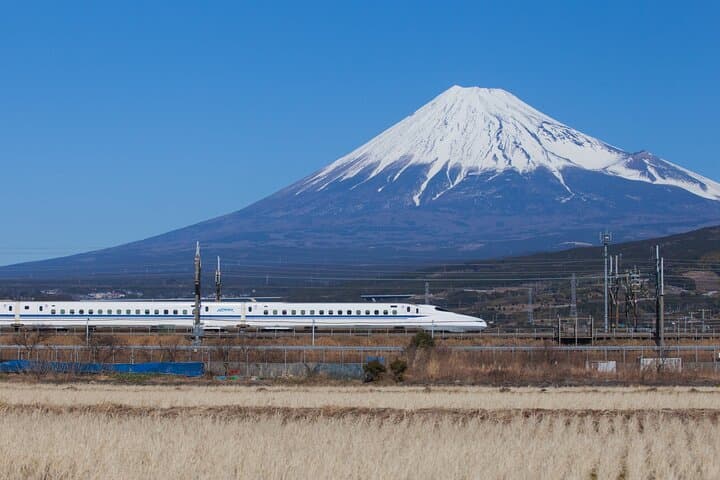
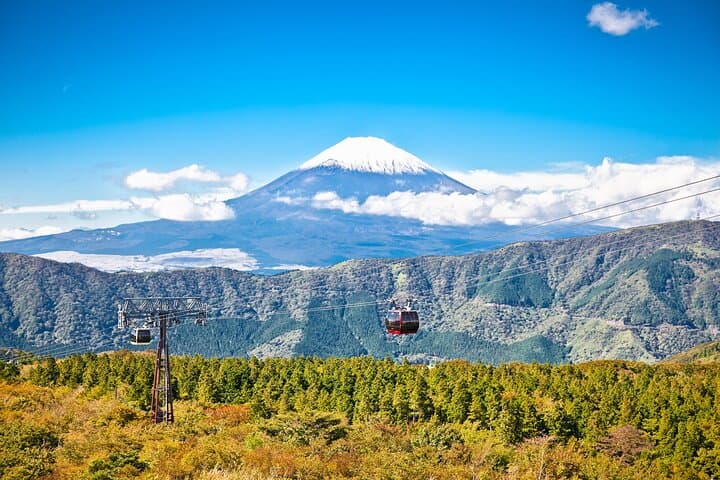
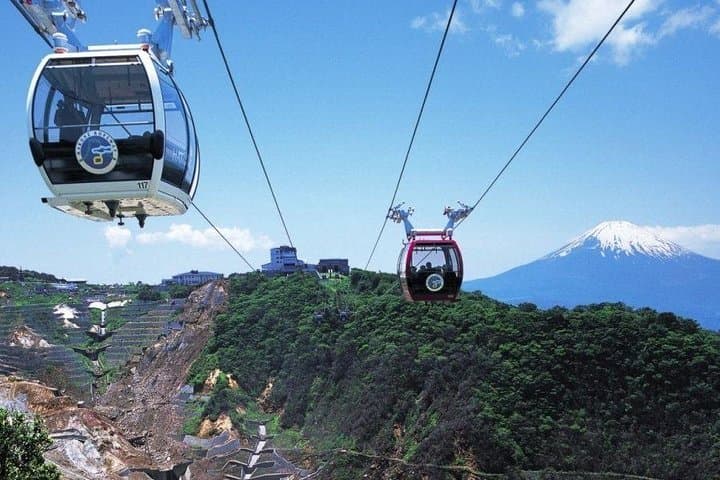
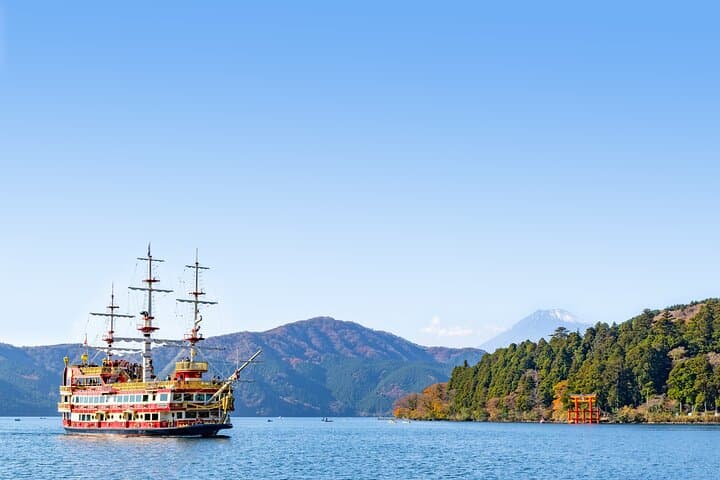
You step onto the coach in Shinjuku before dawn and the city folds behind you—skyscrapers give way to rice fields and, if the day is clear, a perfectly conical silhouette rises on the horizon. By mid-morning the bus climbs toward Fuji’s fifth station, where thin air and a wide, cold light press on the landscape. Steam hisses in the distance at Owakudani; the ropeway lifts you over volcanic vents and ridgelines, and on Lake Ashi a wooden pirate ship pushes gentle wakes toward a vermilion torii that leans as if to greet you.
Verified experiences and guided adventures in the surrounding area.
Operated by H.I.S.Co., Ltd. · Hakone, Kanagawa
You step onto the coach in Shinjuku before dawn and the city folds behind you—skyscrapers give way to rice fields and, if the day is clear, a perfectly conical silhouette rises on the horizon. By mid-morning the bus climbs toward Fuji’s fifth station, where thin air and a wide, cold light press on the landscape. Steam hisses in the distance at Owakudani; the ropeway lifts you over volcanic vents and ridgelines, and on Lake Ashi a wooden pirate ship pushes gentle wakes toward a vermilion torii that leans as if to greet you.
This loop between the Kanto plain and the volcanic spine of Honshu stitches together Japan’s geological and cultural history. Mount Fuji is a stratovolcano whose eruptions shaped local communities for millennia; the fifth station has long been a stopping point for pilgrims visiting Komitake Shrine. Owakudani is a still-active geothermal valley created in the last thousand years by Hakone’s volcanic system, where volcanic gases altered the rock and blackened eggs became local curiosities.
Hakone’s ropeways and lake cruises were built in the 20th century to open these dramatic geologies to visitors. Today, sightseeing here blends classic travel infrastructure—ropeways, boardwalks, ornate shrines—with the austere, shifting terrain of volcanic land. Guides on the tour provide context about shrine rituals, local industries (like black eggs and hot-spring ryokans), and the practicalities of mountain weather, so the landscape reads as both natural actor and cultural stage.
Practicalities matter: the day is long (about 11 hours), altitude changes are sudden, and visibility of Fuji is never guaranteed. The itinerary typically includes a stop at Mt. Fuji 5th Station, Owakudani’s fumaroles, a ropeway ride, and a Lake Ashi cruise, with an option to return by Shinkansen from Odawara. Wear solid walking shoes for gravel at higher elevations, bring layers for wind and volcanic steam, and carry a refillable water bottle—the air is dryer than Tokyo.
Expect roughly 30–60 minutes at most viewpoints; this is a curated highlights trip rather than a deep immersion. If you want more time at Lake Ashi or a longer Fuji hike, consider an overnight in Hakone or a separate ascent itinerary. For photographers, aim for early light at the 5th station and clear afternoons on Lake Ashi; for quieter moments, ask your guide about less-trafficked shrine approaches.
This tour is accessible to most travelers, offers English-speaking guides, and includes options like a boxed Japanese lunch. It’s ideal for a single, full-day introduction to two of Japan’s most iconic landscapes—where tectonics, tradition, and transport converge into a compact, memorable stretch of country.
easy.
11 hours.
Suitable for most travelers who can handle short walks on uneven ground and brief altitude changes.
No—visibility depends on weather and season; mornings in autumn and winter often offer the clearest views, but the operator does not guarantee sightings.
Yes—choose the Shinkansen return option and you’ll be dropped at Odawara to board non-reserved seats to Tokyo; the guide does not accompany you on the train.
The tour notes wheelchair-accessible transport and many accessible surfaces, but some viewpoints and ropeway boarding may have steps—notify the operator at booking to arrange assistance.
A Japanese-style lunch is included only if you select that option when booking; otherwise bring snacks or buy food at stops where available.
If ropeway or boat operations are suspended, the itinerary redirects to approved alternatives such as museums, shrines, or other viewpoints—no refunds are issued for those changes.
This tour does not include a summit hike; the 5th Station stop is for viewpoints and short walks—overnight climbs require a separate, dedicated ascent plan.
Mount Fuji has been a pilgrimage site for centuries; the 5th Station served as a waypoint for worshippers and is dotted with small shrines and markers.
Hakone and Fuji regions balance tourism with fragile geothermal and alpine ecosystems—stick to paths, avoid feeding wildlife, and use public transport where possible.
H.I.S.Co., Ltd. operates guided outdoor trips and adventures with an emphasis on safety, stewardship, and memorable experiences.
You step onto the coach in Shinjuku before dawn and the city folds behind you—skyscrapers give way to rice fields and, if the day is clear, a perfectly conical silhouette rises on the horizon. By mid-morning the bus climbs toward Fuji’s fifth station, where thin air and a wide, cold light press on the landscape. Steam hisses in the distance at Owakudani; the ropeway lifts you over volcanic vents and ridgelines, and on Lake Ashi a wooden pirate ship pushes gentle wakes toward a vermilion torii that leans as if to greet you.
You step onto the coach in Shinjuku before dawn and the city folds behind you—skyscrapers give way to rice fields and, if the day is clear, a perfectly conical silhouette rises on the horizon. By mid-morning the bus climbs toward Fuji’s fifth station, where thin air and a wide, cold light press on the landscape. Steam hisses in the distance at Owakudani; the ropeway lifts you over volcanic vents and ridgelines, and on Lake Ashi a wooden pirate ship pushes gentle wakes toward a vermilion torii that leans as if to greet you.
This loop between the Kanto plain and the volcanic spine of Honshu stitches together Japan’s geological and cultural history. Mount Fuji is a stratovolcano whose eruptions shaped local communities for millennia; the fifth station has long been a stopping point for pilgrims visiting Komitake Shrine. Owakudani is a still-active geothermal valley created in the last thousand years by Hakone’s volcanic system, where volcanic gases altered the rock and blackened eggs became local curiosities.
Hakone’s ropeways and lake cruises were built in the 20th century to open these dramatic geologies to visitors. Today, sightseeing here blends classic travel infrastructure—ropeways, boardwalks, ornate shrines—with the austere, shifting terrain of volcanic land. Guides on the tour provide context about shrine rituals, local industries (like black eggs and hot-spring ryokans), and the practicalities of mountain weather, so the landscape reads as both natural actor and cultural stage.
Practicalities matter: the day is long (about 11 hours), altitude changes are sudden, and visibility of Fuji is never guaranteed. The itinerary typically includes a stop at Mt. Fuji 5th Station, Owakudani’s fumaroles, a ropeway ride, and a Lake Ashi cruise, with an option to return by Shinkansen from Odawara. Wear solid walking shoes for gravel at higher elevations, bring layers for wind and volcanic steam, and carry a refillable water bottle—the air is dryer than Tokyo.
Expect roughly 30–60 minutes at most viewpoints; this is a curated highlights trip rather than a deep immersion. If you want more time at Lake Ashi or a longer Fuji hike, consider an overnight in Hakone or a separate ascent itinerary. For photographers, aim for early light at the 5th station and clear afternoons on Lake Ashi; for quieter moments, ask your guide about less-trafficked shrine approaches.
This tour is accessible to most travelers, offers English-speaking guides, and includes options like a boxed Japanese lunch. It’s ideal for a single, full-day introduction to two of Japan’s most iconic landscapes—where tectonics, tradition, and transport converge into a compact, memorable stretch of country.